How to Reduce Muscle Soreness When Hiking Bidoup Nui Ba

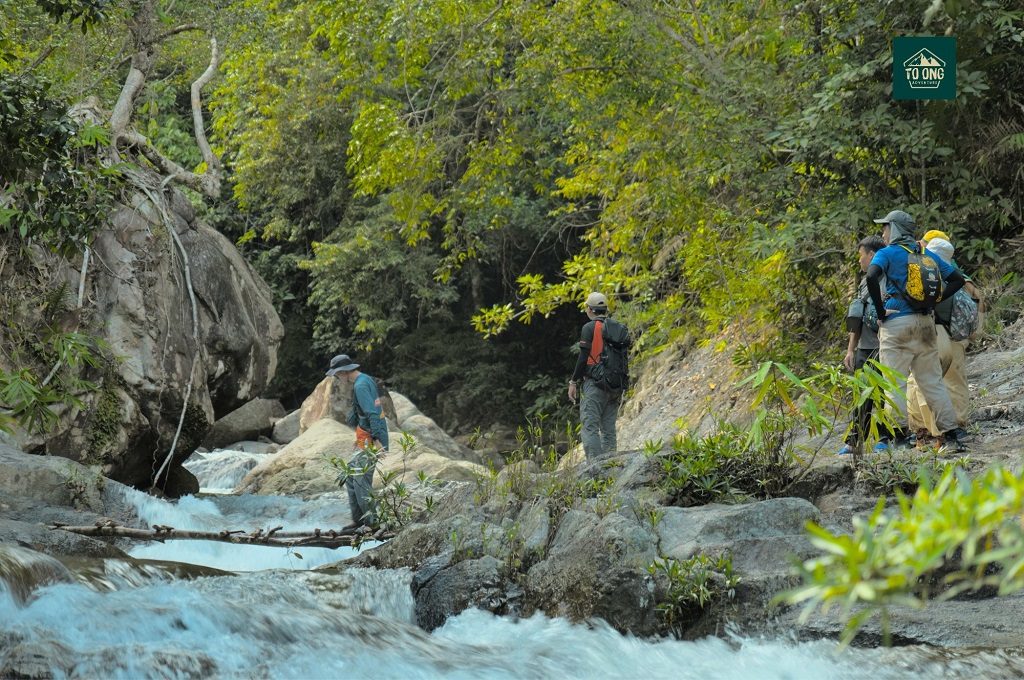
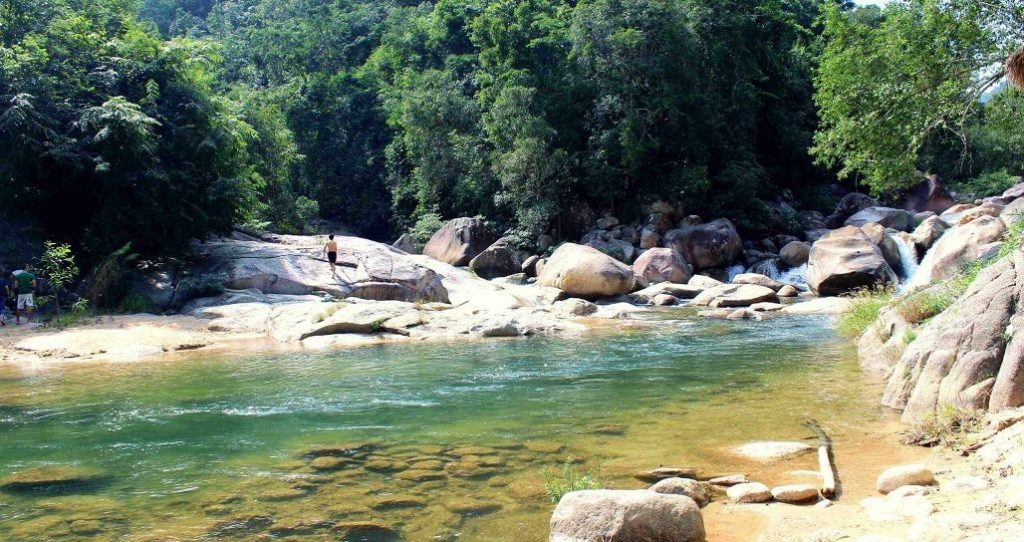
Bidoup Nui Ba National Park is now at its lushest, stirring the hearts of nature-loving hikers. Yet muscle soreness can slow down a journey into the wild. Join Tổ Ong to learn ways to reduce muscle soreness and make your Bidoup Nui Ba hike smoother.
What Is Muscle Soreness?
Muscle soreness is common, especially for people who move at high intensity. For hikers, walking for a long time across varied terrain is one cause of tired and aching muscles. More specifically, muscle groups may become strained or cramped, causing pain. Because muscles are found throughout the body, soreness can happen almost anywhere. This condition usually does not last long, but it can still make you uncomfortable.Common symptoms include:
- Aching when touching muscle groups or when moving
- A feeling of tightness or fatigue even when the body is at rest
- Mild swelling in the sore area
The Bidoup National Park Hiking Journey
Bidoup Nui Ba National Park is located in Lac Duong District, Lam Dong Province. The hiking journey through the forest lasts 2 days and 1 night, covering a total distance of 27km. The destination is Bidoup peak at 2,287m.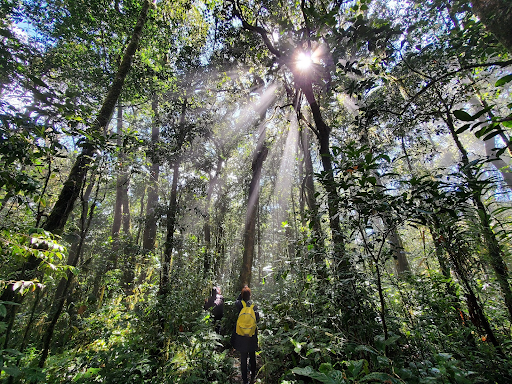
How to Reduce Muscle Soreness on a Bidoup Hike
Massage the sore area:
You can relax the sore muscle area by gently massaging in circular motions. This helps improve blood circulation and reduce pain more quickly.
Hydrate:
Water is important for metabolism between cells, especially in muscle tissue. Drink water regularly while hiking Bidoup. Mineral-rich drinks can also help replenish ions and support recovery. Remember to drink in small sips rather than drinking a large amount at once.
Use a warm compress:
A warm water bag or warm towel placed on the painful area can relax cramped muscles and increase the flow of blood and nutrients to the affected area. As a result, the pain may ease. A 10 to 15 minute warm compress is suitable and effective. Avoid applying it for too long if you have varicose veins.
Use a cold compress:
A cold compress is a very simple way to reduce pain. An ice pack can help areas with swelling or inflammation. Take a few ice cubes, wrap them in a towel to avoid cold burns, and apply gently to the sore area for 15 minutes. You can also combine this with gentle massage to improve swelling and pain relief.
Use pain relievers:
If you have tried the methods above but the muscle pain continues, you may use pain relievers. Read the instructions carefully and consult a doctor. Some effective pain relief options include Paracetamol, Salonpas patches, Salonsip, and similar products.
Build fitness before hiking Bidoup Nui Ba:
Physical preparation is important for a successful trip. Training for at least one month before the hike can improve flexibility, mobility, and endurance.The main muscle groups to focus on are the thighs and legs because you will move a lot. Your back muscles are also important because they carry the weight of your luggage for a long time. Of course, do not ignore other muscle groups because they are closely connected.Suitable exercises include walking, running, squats, stair climbing, swimming, and cycling.
Follow a suitable nutrition plan:
A nutritious diet can help improve fitness and effectively prevent muscle soreness. You should:
- Eat plenty of fruit and vegetables, especially antioxidant-rich foods such as watermelon and turmeric.
- Get enough protein through egg whites, lean meat, fish, milk, and similar foods.
Bidoup Nui Ba National Park has countless experiences waiting for you. Do not let muscle soreness stop your steps. We hope Tổ Ong’s tips above help ease that concern. You can also travel with Tổ Ong. With enthusiastic, skilled tour guides and experienced local porters, your journey into Bidoup’s green forest will be full of emotion. Do not hesitate; hike Bidoup Nui Ba with Tổ Ong.