5 Beginner Trekking Skills for a Smooth First Journey
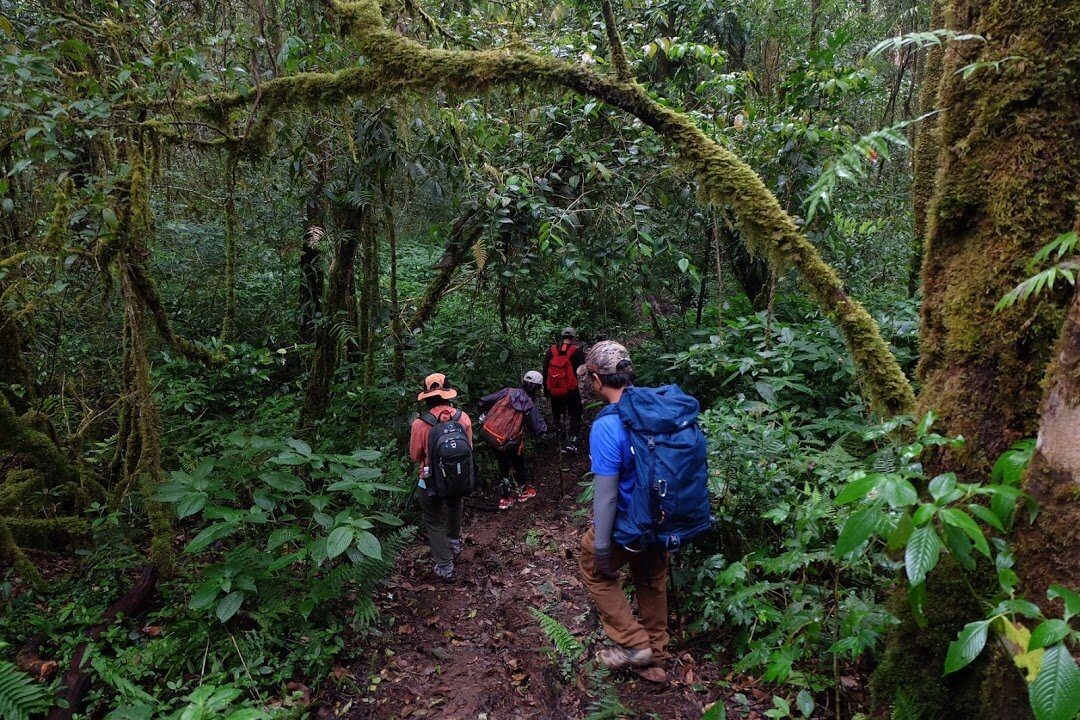
Trekking is an activity that requires patience and strong endurance. To help beginner trekkers get off to a smooth start, today’s article from Tổ Ong shares 5 highly useful trekking skills for newcomers.
Plan carefully – The trekking skill that can decide the success of your trip
Trekking skills begin with careful planning. New trekkers should prepare thoroughly for their trip. This helps you understand your destination and get mentally ready to face challenges that may arise during the journey.
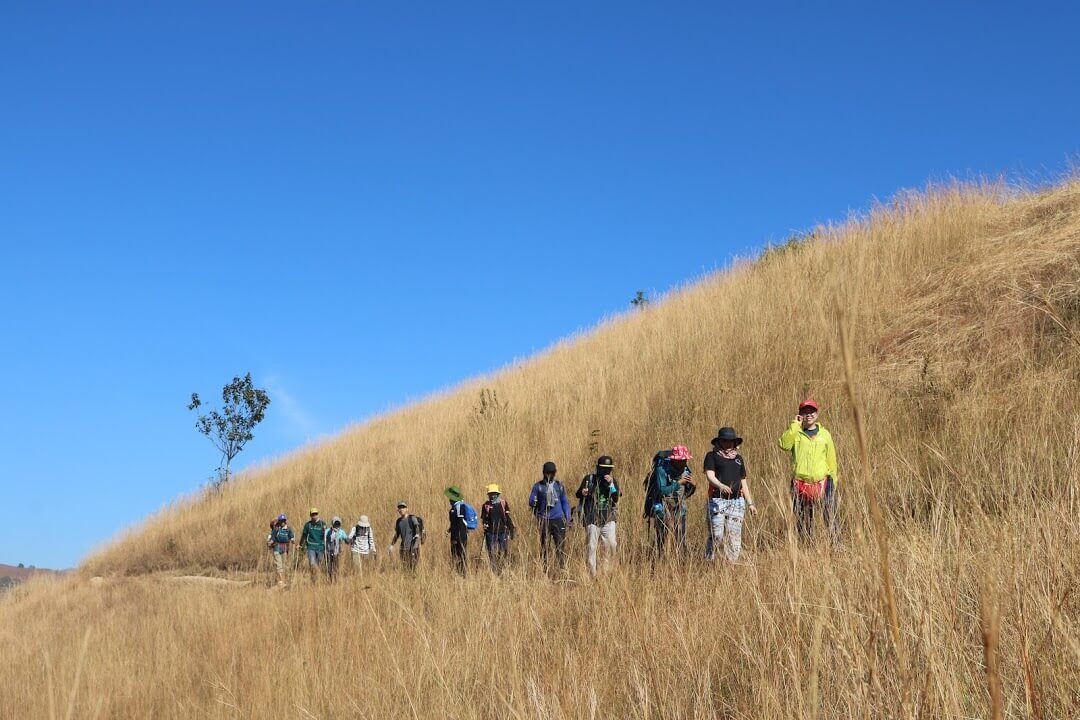
Most importantly, clear and specific planning before departure helps you know what to prepare for trekking, because each route has different terrain, climate, weather, and other characteristics. It also helps you assess the level of risk and your own trekking ability. Finally, once you have a detailed plan, you should inform your family, because you cannot always predict the hidden dangers you may face on upcoming trips.
Remember trekking skills from experienced trekkers
Learning mountain skills and experience from people who have gone before you is always one of the essential skills for trekking. These valuable lessons can help you have a safer and more rewarding mountain journey.
How to use a trekking pole for momentum
When climbing, use a trekking pole to push forward and combine it with holding onto rocks or tree trunks as you move upward. This helps you conserve and distribute energy more effectively while also checking that there are no obstacles ahead.
Keep your balance while moving forward
For those who enjoy trekking, maintaining balance while moving forward is always an important skill. Once you can keep your balance, you can overcome obstacles on the route with less worry about unexpected accidents such as sprains, tripping, or falling after stepping on rocks.
To practice this skill, first prepare a stack of books or bricks. Then balance on them for about 5 to 10 minutes before switching legs. With just 10 to 20 minutes of practice each day, you can become much more comfortable using this skill.
Use your backpack as your center of gravity when descending
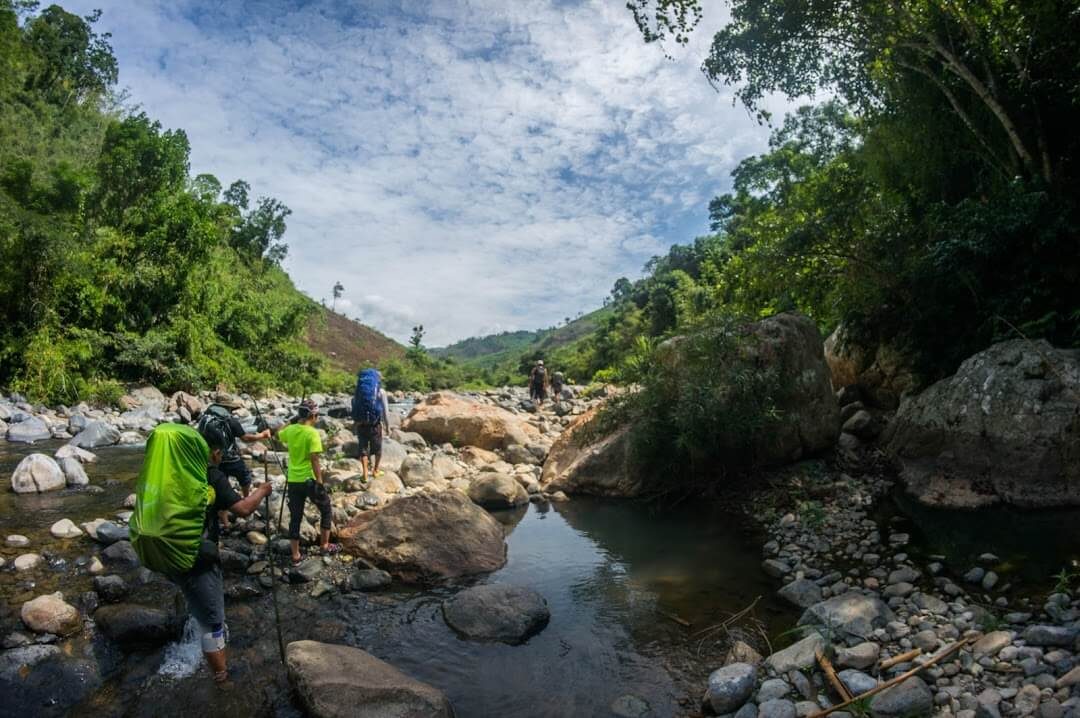
If using a pole for momentum while climbing is essential for trekkers, then using your trekking backpack as your center of gravity when descending is also very important. When preparing to go downhill, place your feet at an angle, bend slightly, and keep the backpack’s center of gravity in front of your base of support. If you stand upright, the backpack’s center of gravity will fall behind your feet, making it easier to slip. The backpack can help give you more stability and grip so you do not pitch or fall forward. If you encounter a steep slope, turn to face the rock wall and use footholds along the wall to descend.
Use survival items effectively
The places you explore may have no Wi-Fi, no phone signal, and no modern facilities. That is why learning, practicing, and preparing survival items thoroughly is one of the trekking skills you should start building now.
The first thing to do is list all the necessary survival items. Make sure your pack does not leave anything behind, because these items can become life-saving tools in an emergency. Next, learn how to use them and arrange them scientifically in your backpack so you can find them easily and respond quickly if something goes wrong on the trail. Learning how to use survival items can become a crucial skill in urgent moments.
Basic bleeding control – A trekking skill you should know
When moving across complex terrain with many obstacles underfoot, injuries are hard to avoid. If an unexpected accident happens, do not panic. Check the wound, assess its depth, and handle it simply to help prevent infection or tetanus.
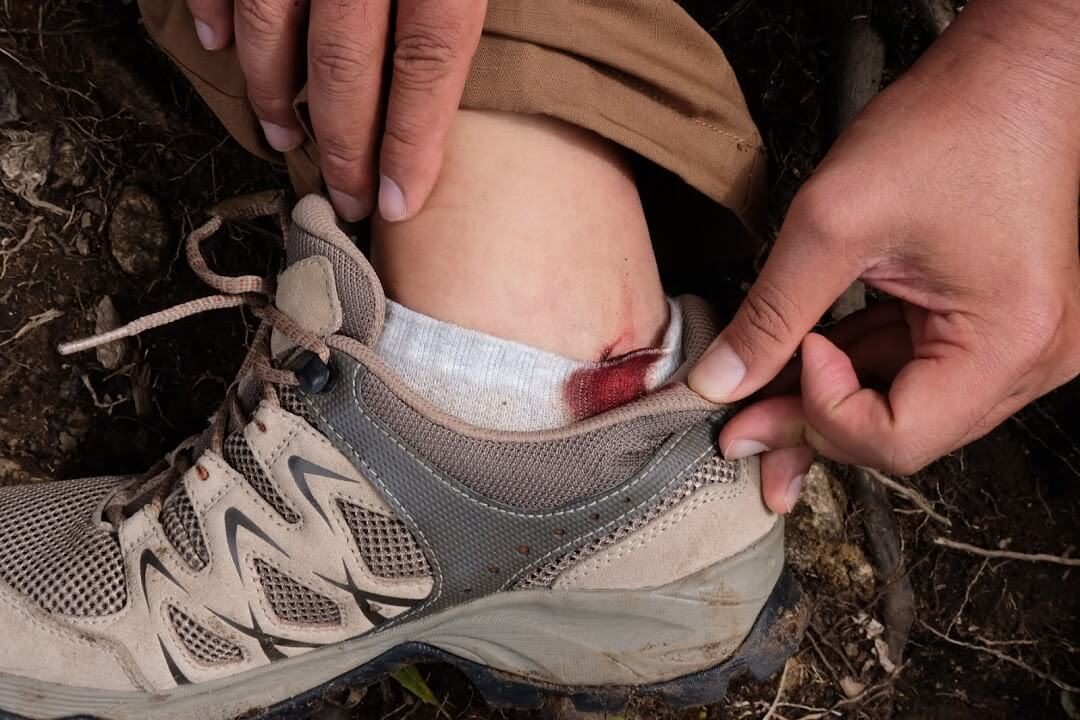
If there is bleeding, stop it immediately by cleaning the wound area, covering it with a bandage, and applying pressure. In addition, when trekking you should bring important trekking tools and medical supplies such as alcohol, bandages, and pain relievers. If you do not have a bandage, you can use a neck scarf. This trekking skill for controlling bleeding is useful knowledge that can make your journey safer.
Manage your energy wisely
Energy management is an important trekking skill that every trekker, especially beginners, should learn. This skill helps you understand your true ability and estimate how much effort each section of the route requires.
When you begin:
At the start of your trip, do not use all your strength trying to move forward or reach the finish as quickly as possible. Instead, move slowly and use moderate effort to maintain a strong physical foundation. This will help a great deal when you face difficult, energy-draining challenges. If you feel overloaded and cannot continue, stop and rest for a while. However, do not rest for too long, because this can cause your muscles to cool down and make cramps or strains more likely.
During the climb:
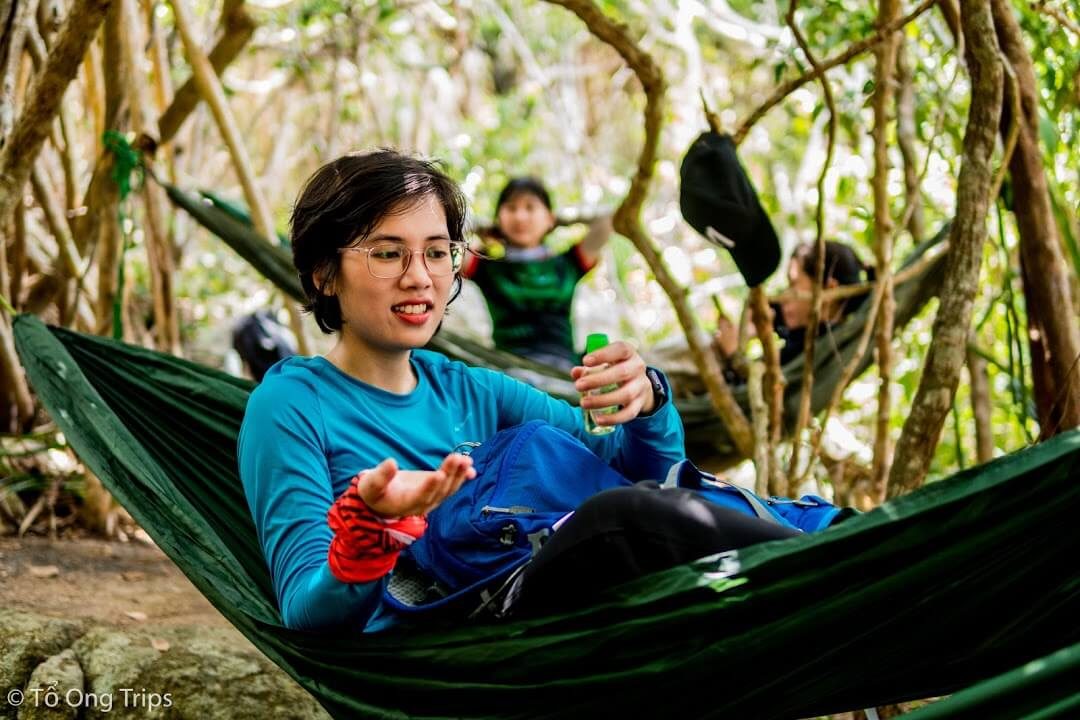
While climbing, use trekking shoes that fit well, have good grip, and come with rubber soles or tread suited to the terrain you are crossing. This helps protect your feet and avoid unnecessary injuries. If possible, pack a few extra pairs of socks to change regularly. You should also bring slippers or sandals for moving around the campsite.
We hope this article has provided useful information about essential trekking skills. If you are looking for a provider of quality, safe adventure tours in Vietnam, Tổ Ong Adventure is an ideal suggestion. Tổ Ong Adventure is ready to bring you memorable experiences on your journey of conquering youth.