What to Wear Trekking: Essential Tips for New Trekkers
For experienced trekkers, preparing trekking clothing, supplies, and necessary gear for each trip is no longer too difficult. For new trekkers, however, this can take a lot of time and effort, especially deciding what to wear trekking. In today’s article, Tổ Ong Adventure shares practical advice on this topic.
What should you wear trekking?
Preparing trekking gear is one of the things you should care about if you want a smooth, enjoyable, and memorable journey. To answer the question of what to wear trekking, follow the tips from Tổ Ong Adventure below.
What to wear trekking for easier movement? Clothing:
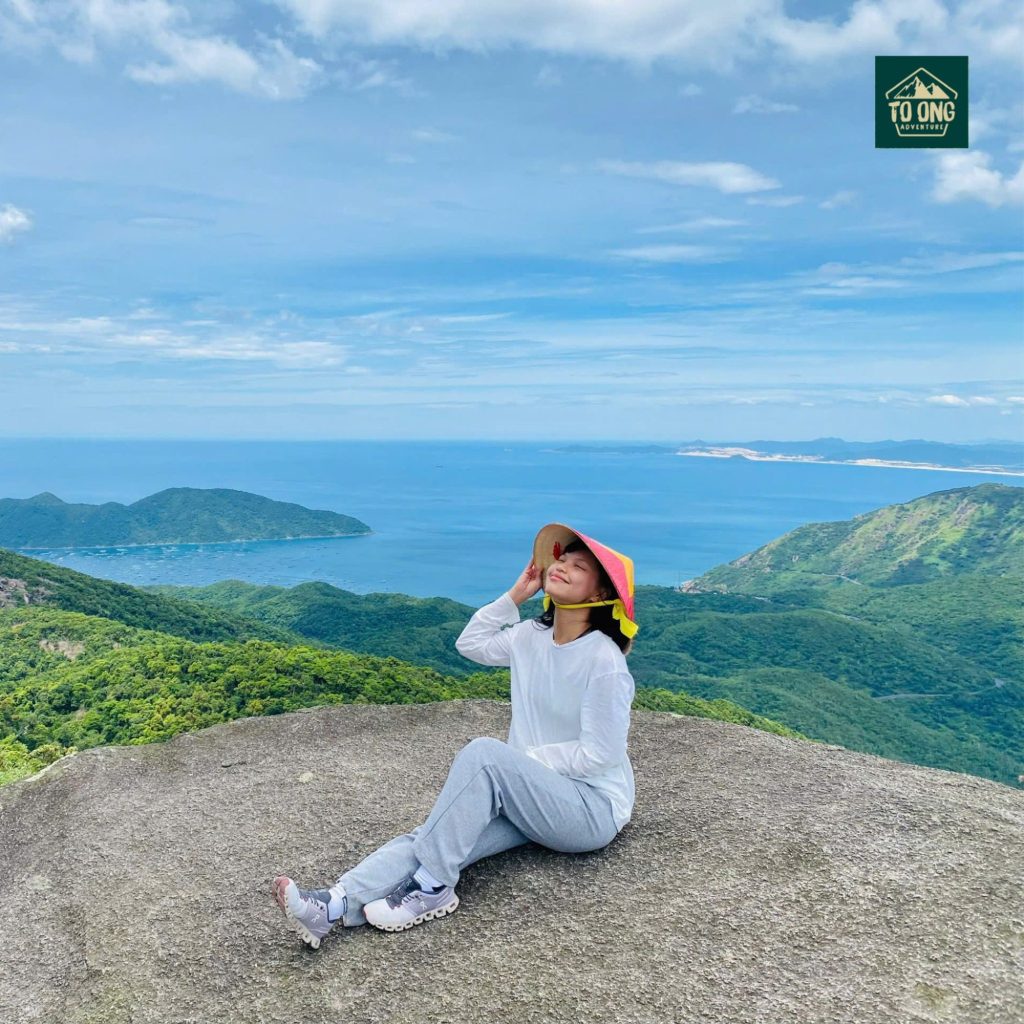
First, clothing worn during a trek should be comfortable, practical, and easy to move in. Avoid tight clothing or materials that are too thick. Instead, choose loose, light, breathable clothing that absorbs sweat well and dries quickly.
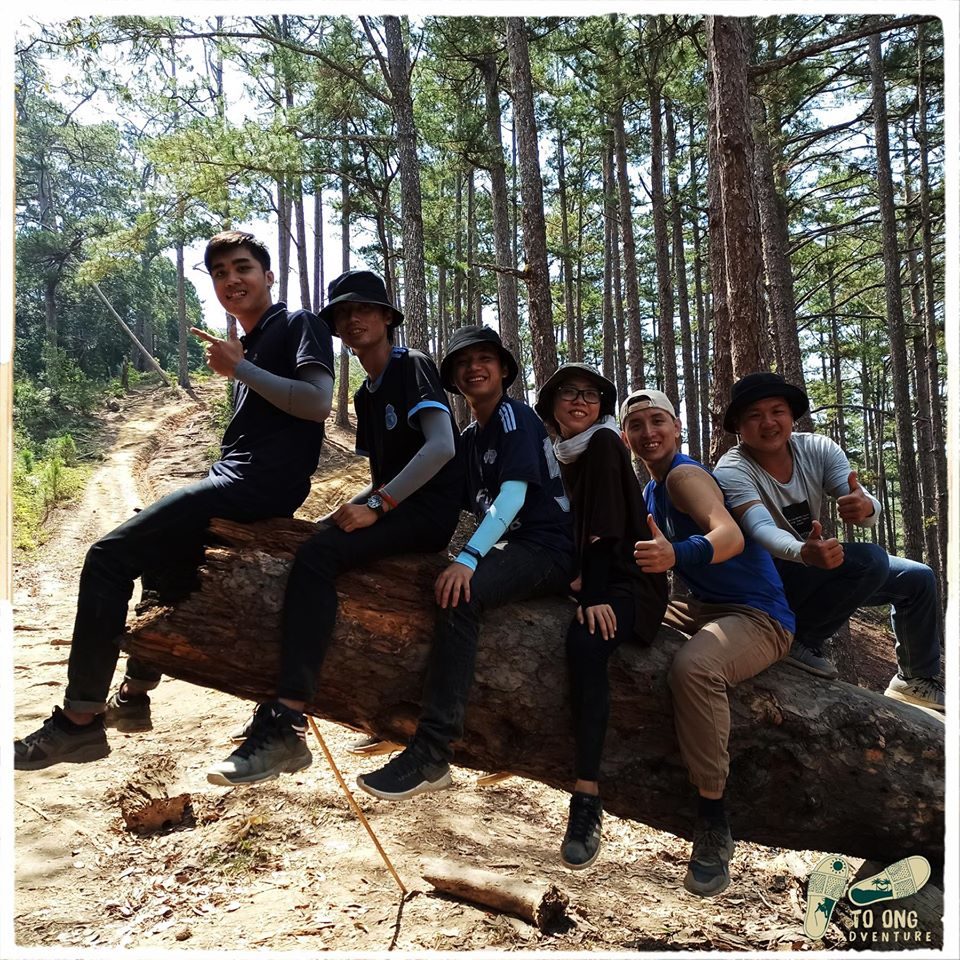
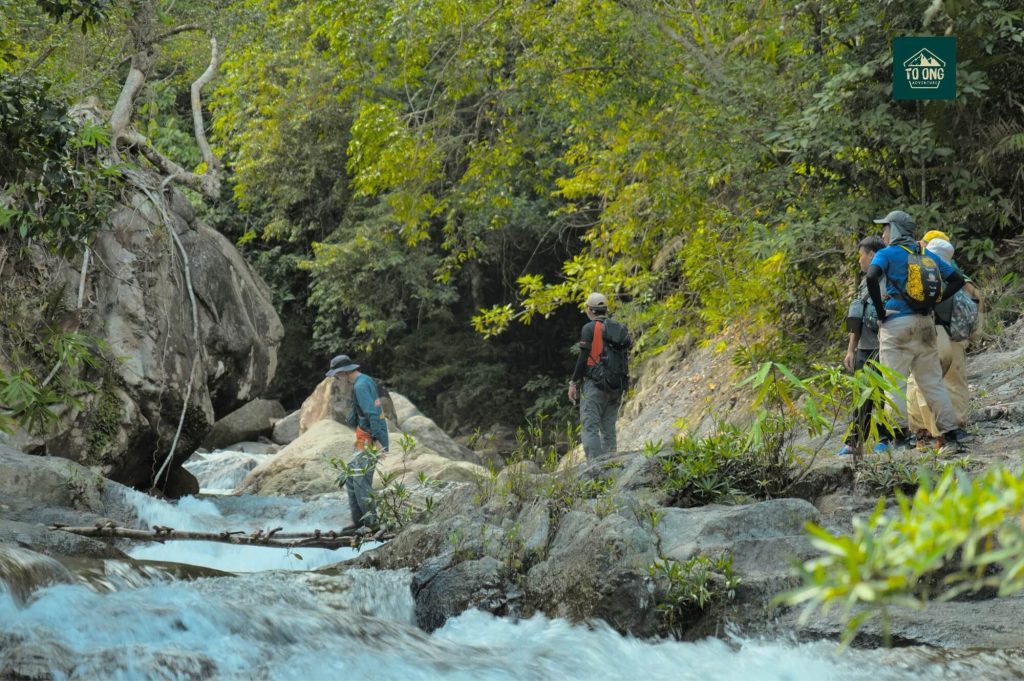
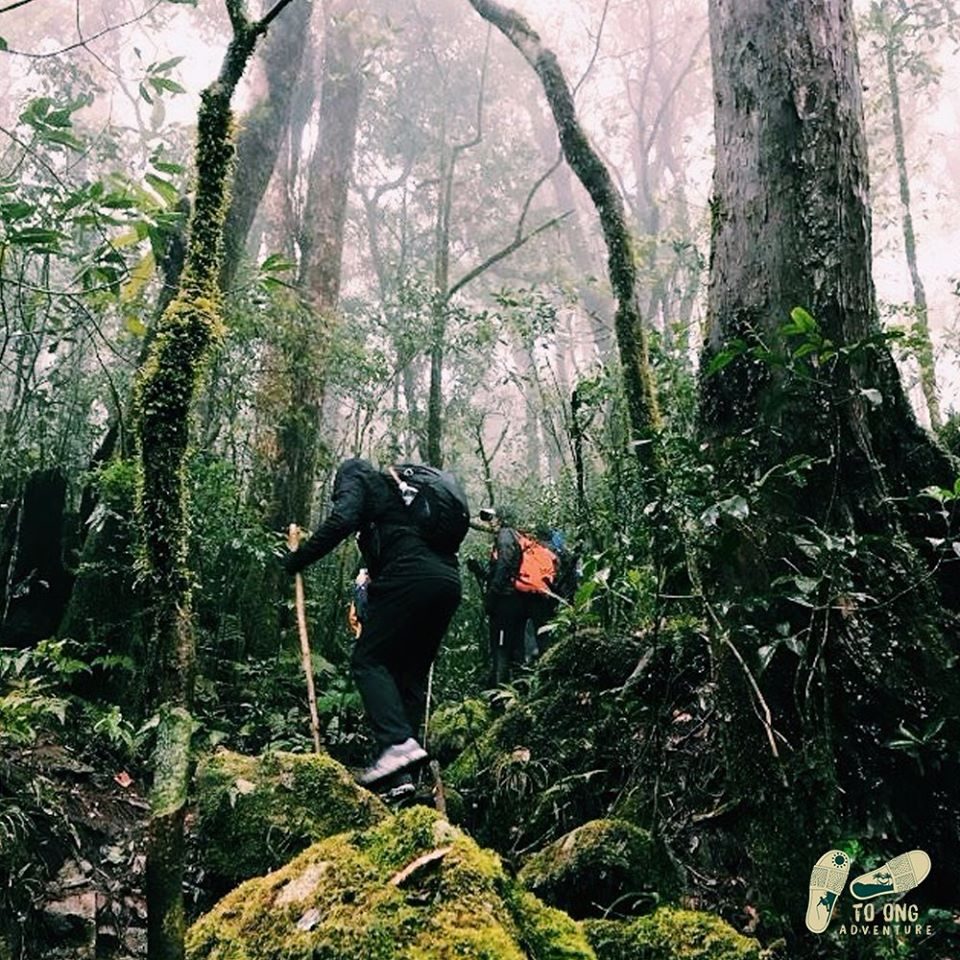
Depending on the climate and weather of your destination, choose suitable trekking clothes. If the place is often wet, choose long pants and remember to prepare gaiters or ankle cuffs to help prevent insects, leeches, mosquitoes, and bugs from attacking. If the destination is cold or gets cold at night, prepare a thermal base layer and a water-resistant jacket. If you are going somewhere with frequent rain, prepare a rain suit.
What to wear trekking to protect your feet? Shoes and sandals:
For footwear, you need to prepare carefully because trekking routes often include rugged and slippery sections. A pair of trekking shoes and comfortable socks will be excellent companions on the trail.
Prepare shoes with rubber soles that grip well and resist slipping. Choose shoes 0.5 to 1 size larger than usual so your feet do not become painful, rubbed, or blistered during the trip. You should also bring a light, comfortable pair of sandals for camping or nighttime rest.
Accessories:
In addition to deciding what to wear trekking, remember to prepare important accessories such as a multifunctional scarf, grip gloves, sun-protection arm sleeves, a wide-brim hat, and a checkered scarf.
Outfit suggestions if you do not know what to wear trekking:
Below are clothing suggestions based on the time of day and destination weather. These can partly answer your question about what to wear trekking.
Daytime clothing for places that are not cold: long pants with gaiters or ankle cuffs if there are mosquitoes or leeches, a T-shirt that is cool and sweat-absorbing, a wide-brim hat, a checkered scarf or multifunctional scarf, grip gloves, and sun-protection arm sleeves.
Daytime clothing for cold places: long pants, preferably water-resistant, with ankle cuffs, a thermal base layer, a waterproof jacket, grip gloves, a hat, and a checkered or multifunctional scarf.
Nighttime clothing: long pants or shorts, a T-shirt, and a warm jacket if the weather is cold at night.
for the trip
Essential gear for trekking
Beyond what to wear trekking, there are many other supplies and tools you should prepare fully so the trip can go as smoothly as possible. So what essential trekking gear should you bring?
Backpack
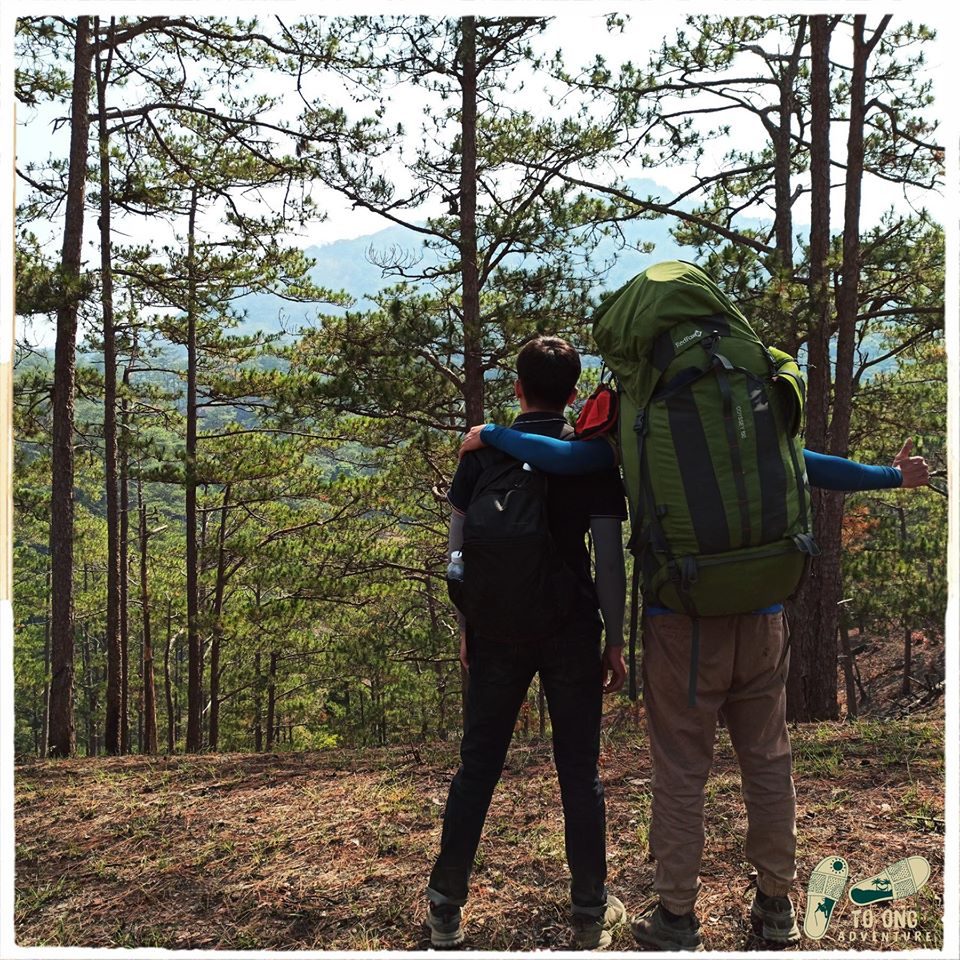
A backpack is one of the trekking items you cannot do without. In reality, each trip often requires you to prepare and carry many heavy supplies and tools. Therefore, you need a trekking backpack with good load support instead of a regular backpack. The support straps on a specialized backpack help you carry luggage more easily. You should also prepare a hydration bladder as an accessory for your backpack.
Choose a backpack with a bright, easy-to-spot color instead of a neutral color, especially green or moss green. This helps the group stay close and makes it easier to see one another if someone gets separated.
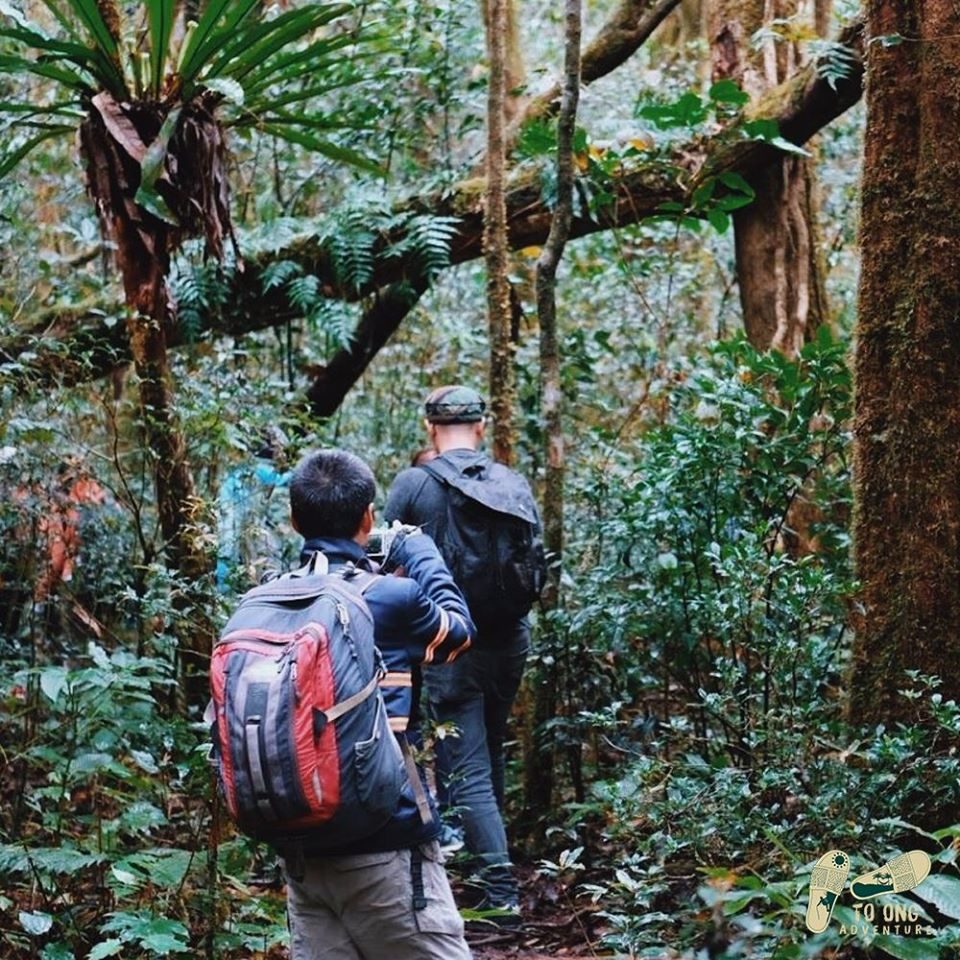
can help improve your safety
Tent, hammock, or sleeping bag
The next trekking item you need to prepare is a tent, hammock, or sleeping bag. Whether you choose a tent or hammock depends on the terrain where you stop to sleep. If the sleeping area is flat, choose a tent. If the terrain is uneven, choose a hammock with a tarp to block dew or rain. You can also bring a sleeping bag to sleep more comfortably and recover for the next day’s journey.
Food and drinking water
This is just as important as what to wear trekking. If you join a tour, some organizers may prepare meals and drinks for you. However, you should still proactively bring a reasonable amount of food and water for personal use whenever needed.
You can bring quick foods such as compressed food, sandwiches, candy, chocolate, sausages, instant noodles, Vietnamese pork sausage, cakes, or foods such as pork, chicken, and beef.
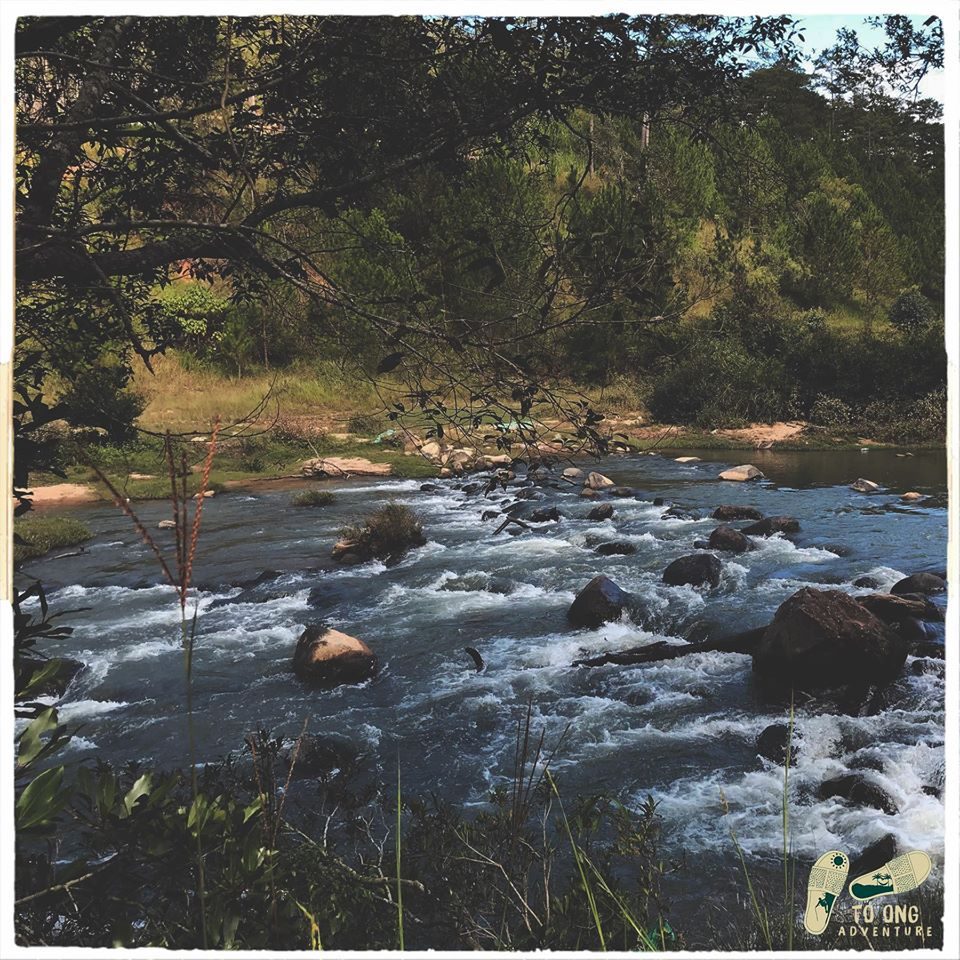
For drinking water, the most practical option is to prepare a hydration bladder and a specialized water filter. A hydration bladder saves water and space, while a water filter can help you filter stream water for use. These are useful solutions for drinking water throughout a trekking journey.
You can also prepare effervescent vitamin C tablets or electrolyte drinks to support your health while moving.
Safety equipment for the trip
Safety equipment is the next group of items we want to share with you. To help ensure your safety throughout the trip, preparing safety gear is just as important as deciding what to wear trekking.
Equipment usually prepared in advance:
Normally, with tour operators such as Tổ Ong Adventure, most safety equipment for the trip is prepared in advance. Some necessary items include:
An international-standard first-aid kit including first-aid supplies such as gauze, scissors, medical cotton, antiseptic, along with pain relievers, fever reducers, and insect treatment products.
Camping equipment including sleeping tents, tarps, lights, tables and chairs, flashlights, insulated sleeping bags, and more.
Safety equipment such as modern adventure sports gear, walkie-talkies, life jackets, diving goggles, specialized transfer vehicles, compass, map, safety ropes, and a 100-million-VND insurance package from Bao Minh.
Some items you should prepare yourself:
However, you can also prepare some basic trekking tools yourself, in addition to thinking about what to wear trekking so you can stay proactive in different situations.
For medical supplies and medicine: bring extra medication you personally find necessary and often use, such as cold medicine, fever reducers, stomachache medicine, pain relievers, and insect repellent.
For electronics: a fully charged phone, a fully charged power bank, a camera, GPS, and similar devices.
After reading this article, you should have a clearer idea of how to prepare your gear and what to wear trekking. We hope this information is useful for anyone passionate about exploring trekking routes, especially first-time trekkers. Contact Tổ Ong Adventure to plan memorable and experience-rich journeys.