What to Wear for Mountain Trekking: A Complete Clothing Checklist
What to wear for mountain trekking has been one of the most common questions trekkers have searched for recently. Have you found an answer that feels right yet? If not, join Tổ Ong Adventure and explore it now.
What to Wear for Mountain Trekking? A Detailed Answer
What should you wear for easy movement?
Trekking shirts
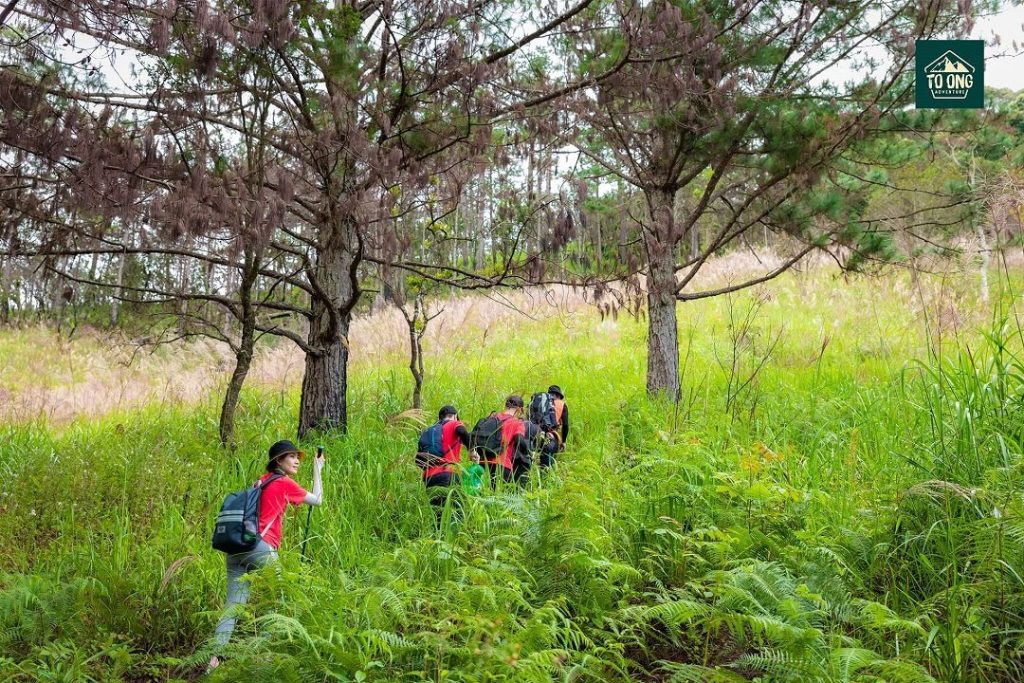
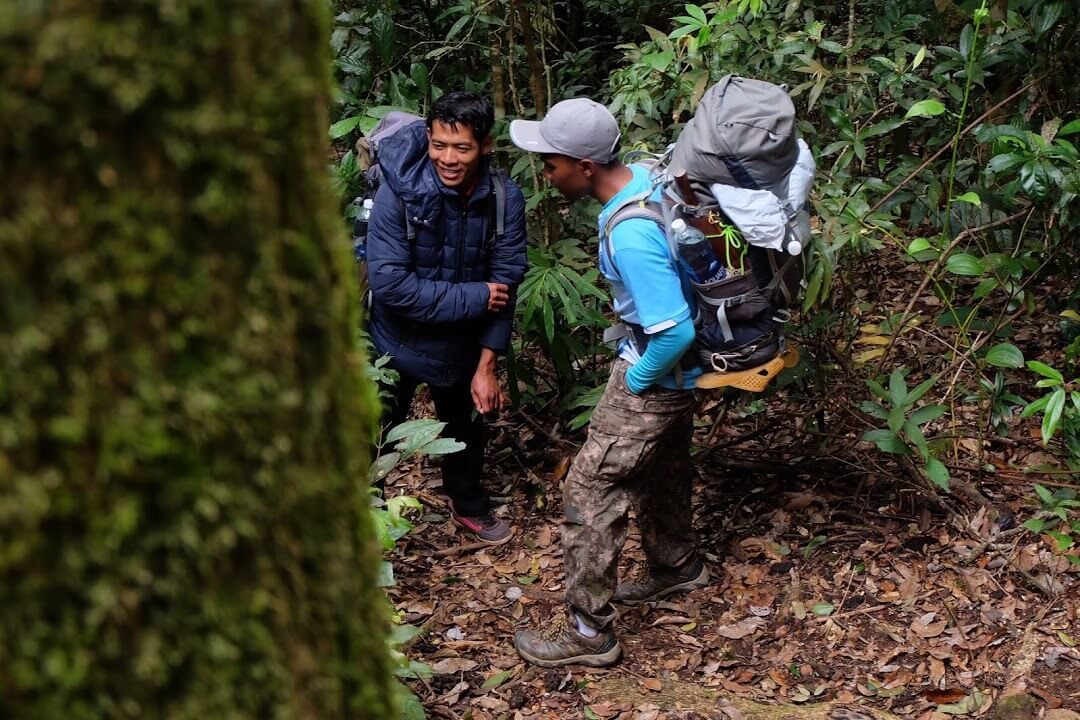
Trekking trips are not well suited to fussy or complicated clothing. So what should you wear for mountain trekking? You should prepare one comfortable knitted cotton base layer and one loose cotton outer shirt that absorbs sweat well and has enough stretch and flexibility for moving, climbing, and crossing streams.
In addition, on any trekking route, you should bring a thermal, water-resistant layer to protect yourself from cold forest air at night and help maintain your health throughout the trek.
Trekking pants:
If you are wondering what to wear for mountain trekking, we recommend long pants with an elastic waistband or suspenders instead of a belt, so the pants do not slip or tighten too much around your body. Choose pants made from stretchy, absorbent cotton fabric. They help you move comfortably and reduce exposure to insects, leeches, and mosquitoes in the forest.
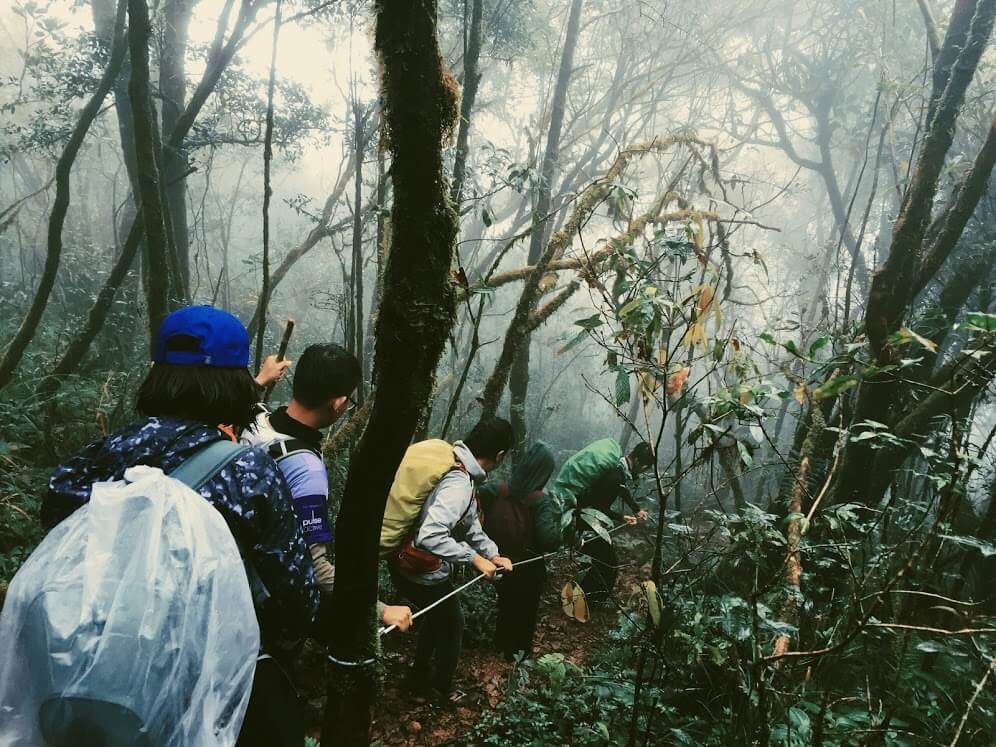
In rainy or wet conditions, cover your shoes up to the calves or wear waterproof pants. This helps make your steps firmer and safer. If it rains heavily, it is best not to continue the journey, as heavy rain can bring many unpredictable dangers.
What should you wear for safety?
Neck scarf:
A neck scarf is not only useful for keeping warm, wiping sweat, and preventing insect bites; it can also serve as a bandage in an unexpected emergency. For that reason, bring a thin, lightweight cotton scarf on your trekking trip.
Shoes:
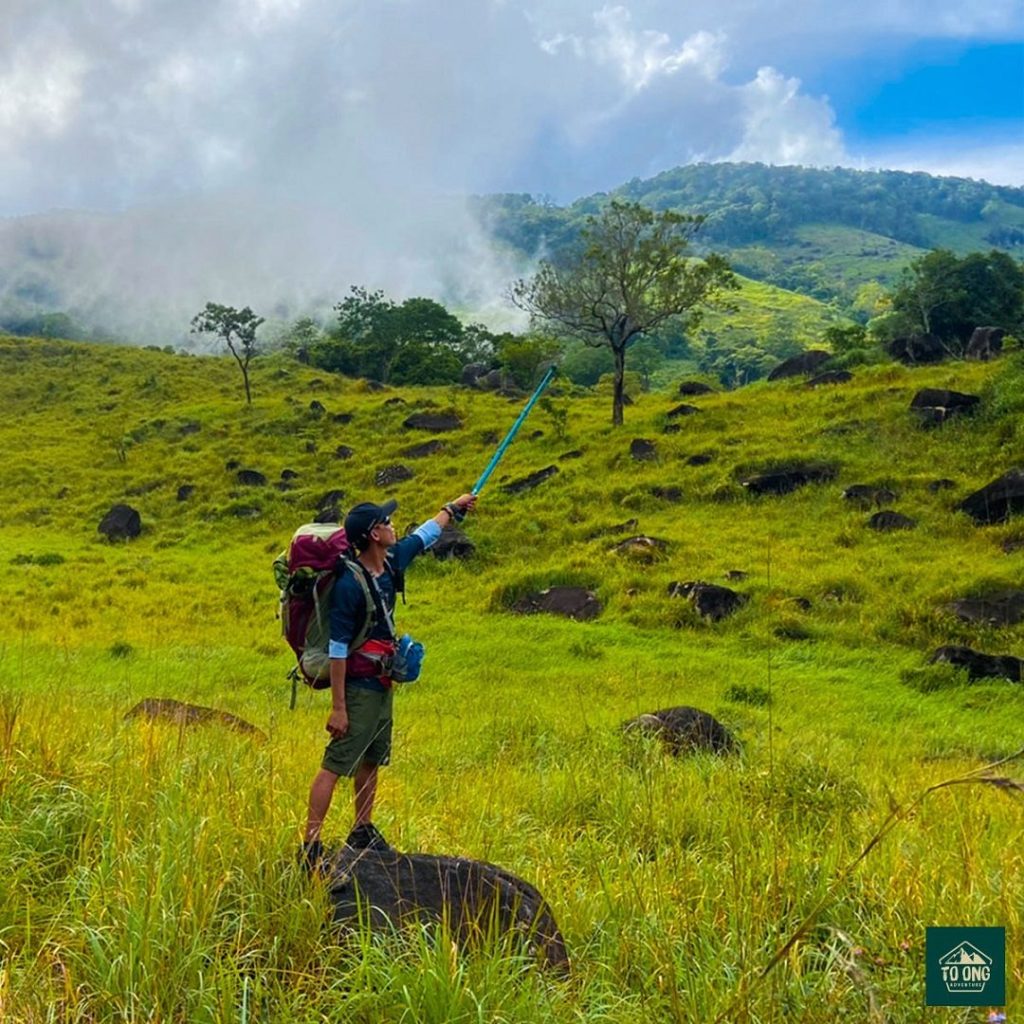
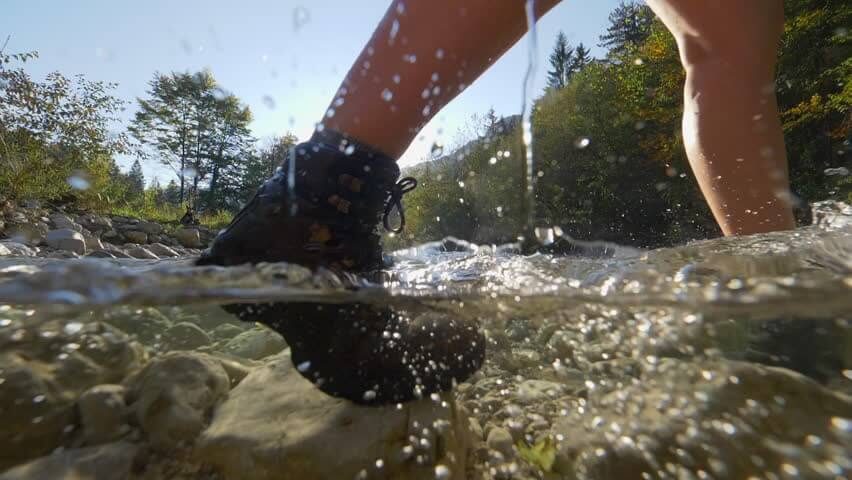
Shoes are indispensable for trekking. To make your trip smoother and more comfortable, trekkers should prepare suitable footwear. Choose shoes that fit well, or are 0.5 to 1 size larger for comfort, with rubber soles and good grip so you can climb and descend more easily. As a serious trekker, you understand the value of a good pair of trekking shoes better than anyone.
Ankle supports and knee braces:
Ankle supports and knee braces are important equipment for mountain trekkers because they protect key joints. In particular, they help stabilize tendons and ligaments and reduce the risk of sprains or displacement. When trekking, prepare ankle supports and knee braces so you can better avoid unwanted situations.
Hat:
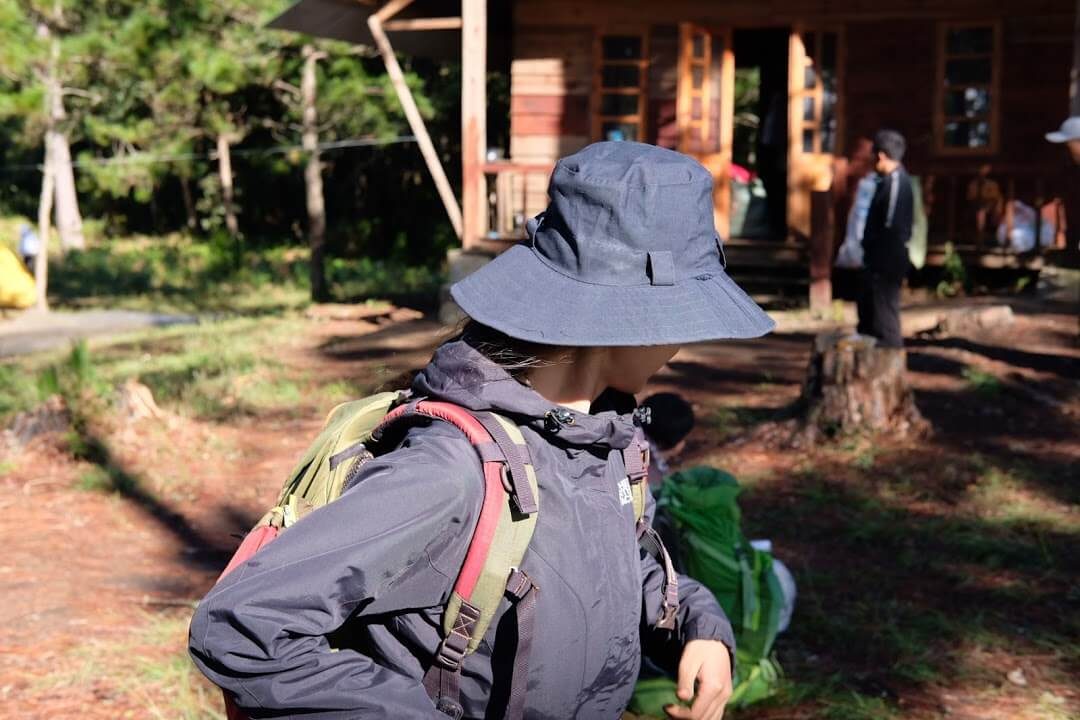
Besides wondering what to wear for mountain trekking, you should also equip yourself with essentials such as a hat. It helps limit exposure to harsh sun and dense fog. A hat can also reduce injuries and protect you from unwanted harm caused by falling branches during a mountain trek or forest exploration.
Tips for Choosing Mountain Trekking Clothing
No matter what you wear for mountain trekking, the first piece of advice is to start with fabric choice. Today, there are many fabric types such as cotton, parachute fabric, wool, nylon, fleece, kate, denim, and khaki, so you can choose what suits you best.
If you want fabric that absorbs well, washes easily, and feels soft, kate can be a good choice. If you want fabric that is durable, stretchy, less wrinkled, easy to wash, and fade-resistant, khaki is also worth considering. If you want fabric that keeps warmth well, feels soft, can be used on both sides, absorbs little water, breathes well, and is easy to wash, you can choose fleece. Cotton is also popular among trekkers thanks to its useful qualities, including good sweat absorption, durability, softness, and comfort while moving.
When choosing clothing, learn the properties of each material carefully so you can make a smart decision. Absorbent fabrics are best used as inner layers. Insulating fabrics are suitable as mid-layers. Finally, waterproof and sun-protective materials should be used for the outer layer to protect your body from external conditions.
Choose Mountain Trekking Clothing Based on Objective Factors
Weather
If you are unsure what to wear for mountain trekking, base your decision on the weather along the route you plan to conquer. This helps you choose and prepare the right gear more accurately. Before starting your trekking journey, research the weather carefully and anticipate possible conditions. From there, choose the most suitable clothing. A serious trekker knows what to bring and what to prepare for the trip.
Note: each trekking route has its own climate, so you should keep checking and researching frequently to prepare appropriately.
Trekking location
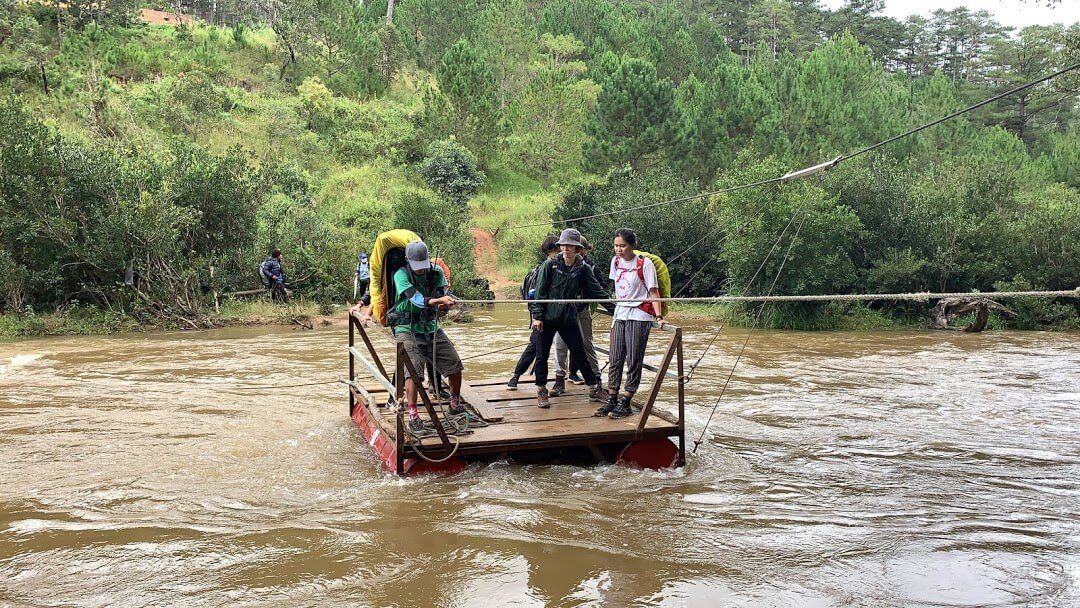
Every trekking route has different terrain and challenges, such as stream crossings, dense forest exploration, mountain climbs, or even sandy desert crossings. Learn everything you can about your destination so you can be sure you have prepared the right clothing and essential gear.
We hope the information above helps answer the question: what to wear for mountain trekking. To make your trip memorable and full of meaningful experiences, start by choosing the right trekking clothing. Also, do not forget to prepare your body for mountain trekking so you can travel more safely. Wishing you an exciting and memorable trekking journey.