Trekking Shoes: Safety Insurance for Your Feet
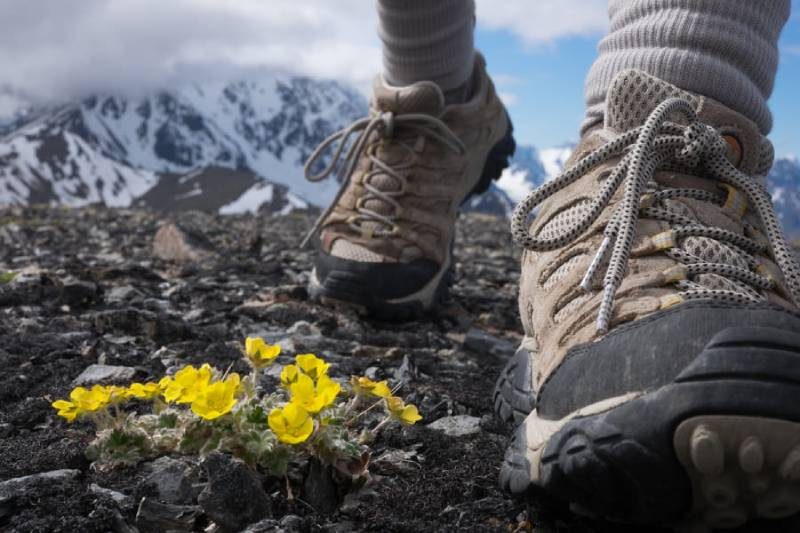
Trekking is now one of the most popular activities among young travelers whenever they have time off. Leaving behind dusty cities, trekking challenges your legs, opens up new places, and trains your body and mind. For a complete trip, support gear also deserves careful attention, especially for beginners. So let Tổ Ong Adventure help you find the right pair of trekking shoes for your own journey.
Why choose specialized trekking shoes?
Many people wonder why they need proper, high-quality shoes when normal sports shoes can also be used for hiking or walking. Because the price difference is not small, some hesitate to spend around one million VND on a pair. In reality, trekking shoes are researched and designed to support the feet during long journeys over complex terrain. Ordinary shoes cannot support you as well when your shoulders carry a heavy backpack and your feet move over uneven rocks and gravel.
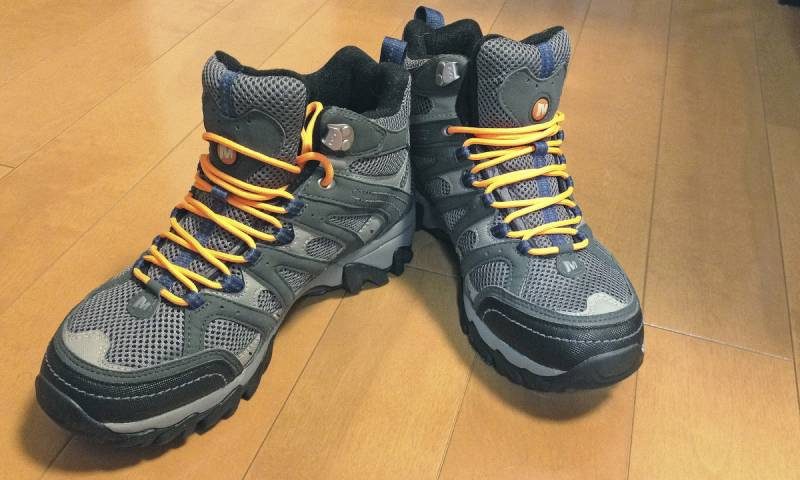
Trekking shoes not only protect your feet, they also grip the terrain, reduce slipping, and some models can help prevent water from seeping in. On long routes, trekking shoes are naturally more durable than other types of footwear. A pair that costs from around one million VND should offer something clearly superior, right?
What makes trekking shoes so special?
With many features integrated and adapted to user needs, each pair of trekking shoes fits a different style of use. Below, Tổ Ong will explore what goes into a pair of trekking shoes with you.
Water resistance keeps your feet dry
If you think waterproof shoes are unnecessary, that is a big mistake. On a long trekking journey, passing through wet terrain happens often. Once water soaks into your feet, it causes discomfort, increases friction and blisters, makes your feet itchy, and makes your shoes heavier.
Trekking shoes use modern waterproofing methods to prevent water from interfering with your trip. These technologies are usually found in genuine shoes and are one difference between authentic and fake products. The most common waterproofing technology is Gore-Tex. Some footwear brands also develop their own waterproofing methods.
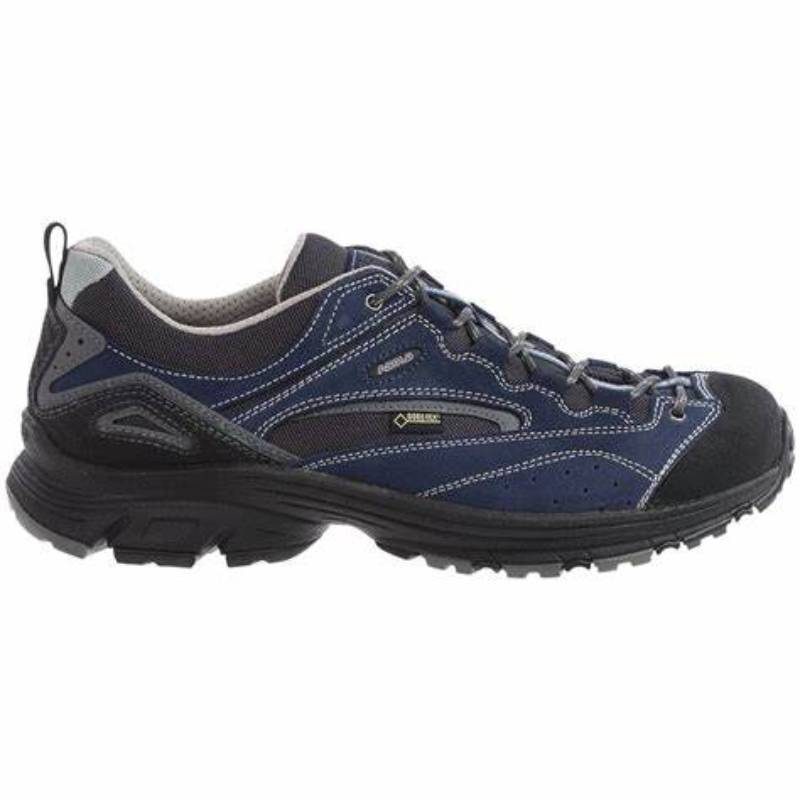
To check whether shoes are water resistant, the simplest way is to look at whether the tongue padding over the top of the foot is connected to the body of the shoe. If it is joined as one piece, there is a good chance the shoe is water resistant, because the main principle is a sealed structure without gaps. In addition, trekking shoes may have an external label indicating waterproof technology if available. Water resistance is only relative when you keep walking through water; if you stand with your feet submerged, water can still enter through ventilation structures.
What should the exterior and interior be like?
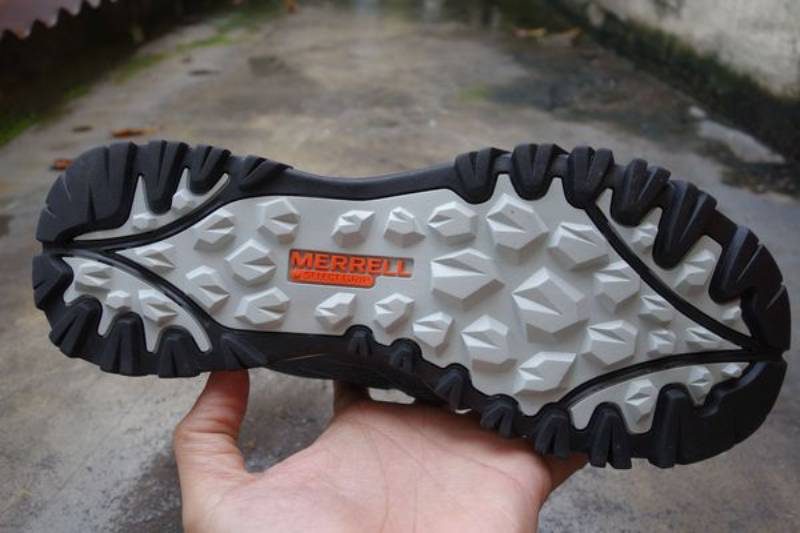
The most important exterior part of trekking shoes is the sole. Most shoe lines today use soles designed to increase friction and grip for user safety. However, each type of terrain requires a different sole structure. Choosing trekking shoes is not as simple as picking the roughest, most aggressive tread.
For muddy, soft ground, deep grooves and large lugs are indeed helpful. But on rock surfaces, shorter textured lugs may grip better. If you think football boots can be used for trekking, think again. They are designed for running on soft ground with flexible soles, not for carrying a heavy backpack across mountain passes and streams.
The interior of trekking shoes is the inner padding, which many people overlook when choosing shoes. The best lining has large mesh, good ventilation, elasticity, and softness. Because this is the part that touches your feet directly, you should pay close attention to how it feels when trying the shoes on.
Tips for choosing trekking shoes
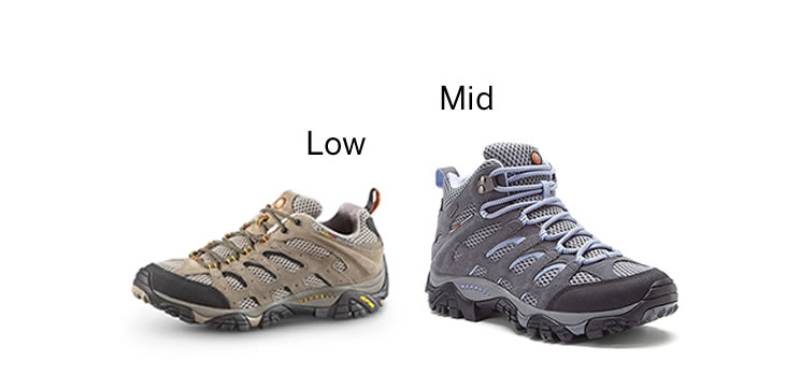
Finding suitable trekking shoes is like buying insurance for a great experience. Trekking shoes come in three main types: low-cut, mid-cut, and high-cut.
Which shoe height should you choose?
Shoes are designed with these three heights so users can choose based on experience, health, and personal preference.
Low-cut shoes:
Low-cut shoes usually sit below the ankle. They are the lightest type, very compact, and allow flexible movement. The low opening lets your feet move freely and makes it easier to move in different directions. However, this type is better suited to people who already have trekking experience because it does not protect the ankles. Just one wrong movement or slip can create a higher risk of an ankle sprain.
Low-cut trekking shoes are also not ideal for long trips, heavy loads, or complicated terrain. They can make your feet tired more easily, your heel may slip out of the shoe, and dust can enter more easily. Only choose low-cut trekking shoes for short trips on easy terrain in dry weather.
Mid-cut shoes:
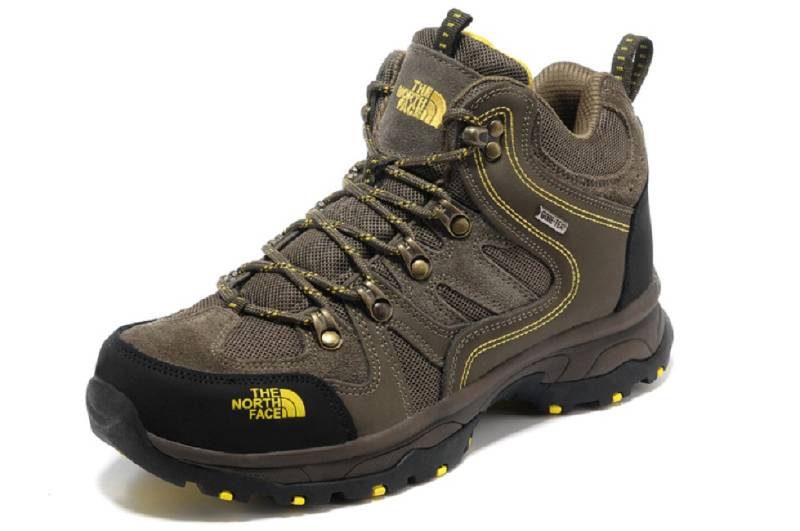
Mid-cut trekking shoes are the most commonly used type because they address the weaknesses of low-cut shoes while staying more flexible than high-cut models. They can accompany you on long journeys with a heavy backpack. The ankle-height collar can partly protect you from slips you may encounter on the trip.
High-cut shoes:
High-cut shoes are an excellent choice if you are new to trekking. The high collar helps prevent dust, mud, or sand from entering, and these shoes are designed to protect both your feet and ankles. For tough, long journeys across difficult terrain, even experienced trekkers may prefer a pair of high-cut trekking shoes. If you are not used to this style, buy them and wear them for a few weeks before the trip so your feet can adapt.
How do you choose the right trekking shoe size?
No matter how good a pair of shoes is, it becomes useless if it does not fit. To get a pair of trekking shoes that fits well, the first thing to know is that your normal shoe size may not be the same size you should choose for trekking shoes. Usually, the difference is about 0.5 to 1 size. To be sure, the best option is still to visit the shop and try them on.
Trying shoes properly also matters. When you put on a pair, first check whether the upper feels too tight. It is best to have a little room; otherwise, your feet may become numb or sore. Next, straighten your feet and toes to see whether they feel comfortable. Then slide your foot forward until your toes lightly touch the front of the shoe, remembering to trim your toenails first. Slip a finger between your heel and the back of the shoe. If your finger fits snugly, pull your heel back into place and check whether your toes still touch the front.
A perfect pair allows one finger to fit at the heel, not too tight and not too loose; after you pull your heel back, your toes should no longer touch the front of the shoe.
What should you do after getting your shoes?
What else? Once you have chosen trekking shoes, pick a destination and start exploring. Not sure where to go, or worried about risks along the way? Come to Tổ Ong Adventure. We will take care of meals and sleeping arrangements, helping make your journey as wonderful as possible.
All you need to do is pack your bag and go; Tổ Ong will handle the rest.