Tips for Staying Warm When Hiking in Cold Weather
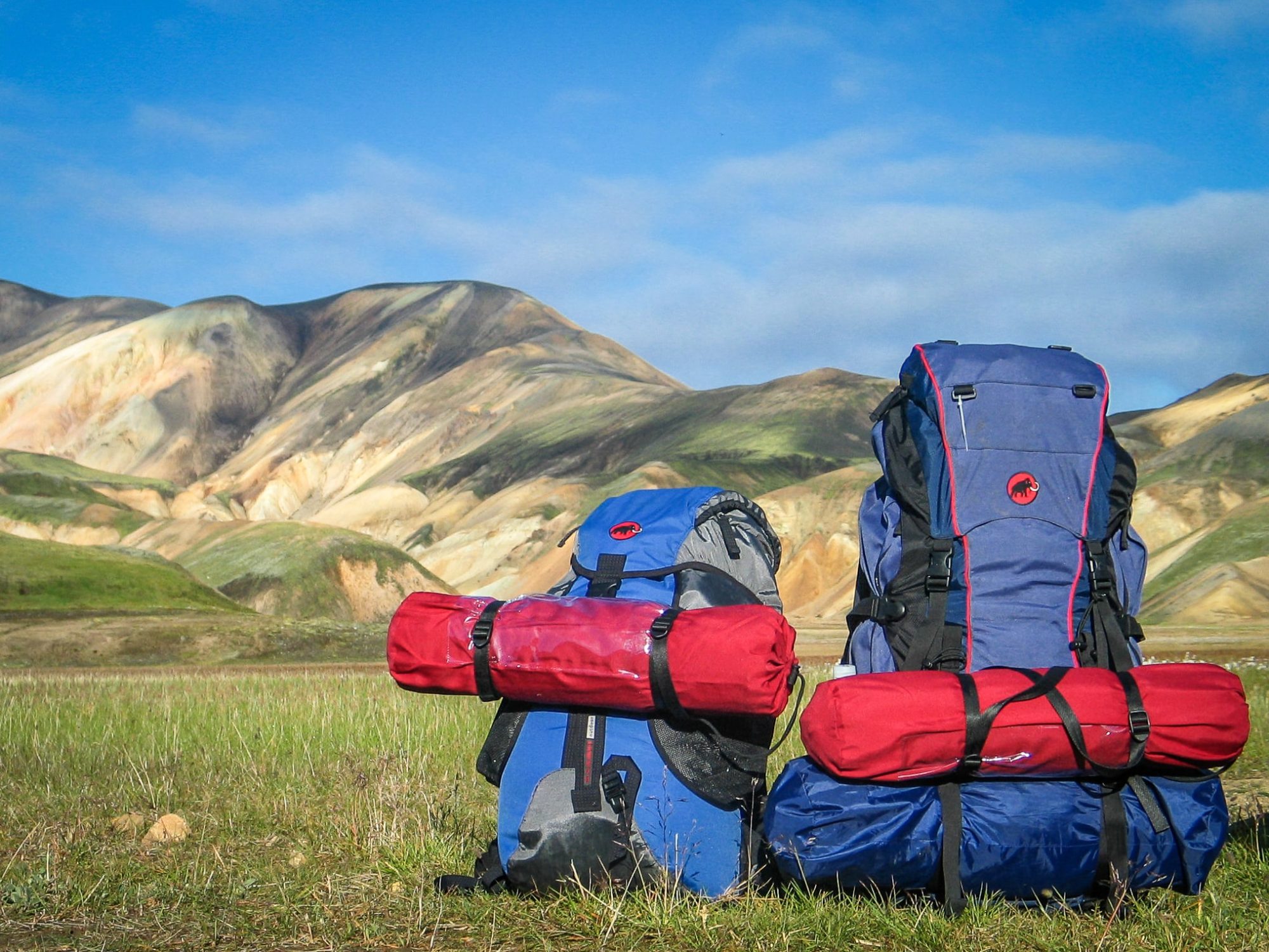
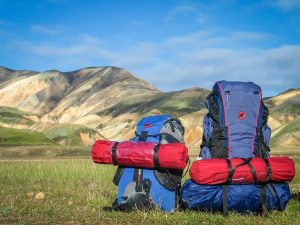
Gear for a mountain hiking trip (Photo by S&B Vonlanthen on Unsplash)
Hikers need to prepare very carefully when hiking in the cold season. Below, Tổ Ong shares several tips for staying warm on cold-weather hikes.
Mountain hiking is an upgraded level for people with experience moving on trails with gentle slopes. At this level, you conquer more complex terrain, with peaks from 1,800m to 2,500m and a total distance under 25km. Daily movement time is about 6 hours, with accumulated elevation gain during the route ranging from 600m to 1,000m. To enjoy the challenge of mountain hiking routes, you need good fitness and endurance. These routes also challenge hikers with unpredictable weather. Sometimes it is warm, while at other times it becomes truly cold like mountain climates often do. Therefore, you need separate preparation for different weather conditions. In cold weather, keeping the body warm throughout the journey is essential.
Clothing
Hiking clothing is different from ordinary warm clothing because warmer is not always better. You need clothes that are warm enough but still breathable, since you will be moving a lot. Wear multiple layers so you can adjust flexibly when the weather changes. Hiking clothing includes three layers. The first layer is a sweat-wicking base layer that touches your skin. The second layer is an insulating layer made of wool or fleece for very cold conditions. The third outer layer should be water-resistant and wind-resistant. Prioritize jackets with hoods because they are both warm and convenient.

Waterproof and moisture-resistant jackets are very important (Photo by Patrick Hendry on Unsplash)
Besides your torso, other body parts such as the head, ears, neck, hands, and feet also need warmth. Bring a hat, gloves, socks, and a scarf to protect these areas from cold weather.
At the same time, when wearing warm clothes, limit overly intense movement because you may sweat heavily but the moisture cannot escape well through the outer waterproof layer. Prolonged stuffiness combined with low outside temperatures can easily make you catch a cold.
Food and drinks
Food plays an important role in creating energy to keep the body warm. If your stomach is empty, your body will not produce enough heat. Bring snacks to refuel throughout the journey. Chocolate, compressed food, instant noodles, and dried fruit are rich in energy and easy to carry. Of course, drinking water is essential when hiking. People can go hungry for days, but they cannot do without water. Store warm water in good insulated bottles, and remember to prepare tools for filtering and boiling water when needed.

Bring enough drinking water for the whole journey (Photo by Luis Quintero on Unsplash)
Setting up a tent
Multi-day hiking trips require you to learn how to sleep outdoors. A good tent helps block wind, resist water, and protect the quality of your rest. Today, there are many two-layer tents on the market that improve wind resistance for a better night’s sleep. When pitching a tent, choose flat ground and consider setting up near trees to reduce wind. Many people like to pitch tents near water sources for convenience. However, the distance from the tent to rivers or streams should still be reasonably far, around 60m, for safety.

A quality tent for a good night’s sleep (Photo by Scott Goodwill on Unsplash)
Sleeping bag
Cold-weather hiking can involve multi-day trips. You cannot carry separate mattresses, blankets, and pillows. Instead, choose a compact, lightweight sleeping bag with good insulation. Before going hiking, check the weather information at your resting point so you can choose the right sleeping bag. Sleeping bags have specifications that help you know which one suits which conditions. Choose a water-resistant sleeping bag for changing outdoor environments. A sleeping bag usually has three layers. The outer layer is polyester for water resistance. The middle insulation layer may use cotton filling or down. Cotton filling is more durable, while down is much lighter. The inner layer should be soft, sweat-wicking, and breathable so you can sleep comfortably.
Bring warming accessories
Helpful cold-weather hiking companions include hot packs, heat bags, and heat patches. You can now find many types of hot packs on the market. Some can be reused many times, while others can be charged electrically. These items are compact and easy to use, so why not bring them along?
Lighting a fire for warmth

Be careful when lighting a fire for warmth (Photo by roya ann miller on Unsplash)
During the trip, when you stop to camp, you can light a fire to warm the surrounding area. However, you should learn the fire regulations in advance to reduce risk. Choose an open dirt area for a fire. Carefully check around and above the fire to make sure there is no dry grass or dry brush nearby that could catch fire. Keep the fire at a moderate level and always watch it. Wind can cause flames to spread. Putting out the fire also needs attention. Spend half an hour using water to extinguish it and check carefully. Make sure there are no glowing embers left after extinguishing the fire. Smoldering embers can flare up suddenly at any time.
Prepare a first-aid kit
Facing many weather changes throughout the trip, you should prepare a mini first-aid kit with essential items to protect your body. In addition to basic medicines such as fever reducers, pain relievers, digestive medicine, and vitamins, the kit should include ginger or cinnamon lozenges, ginger tea, and warming oil that can help warm the body quickly.

A bag of common medicines (Photo by Mat Napo on Unsplash)
For hikers who live in places where the temperature has never dropped below 20°C, traveling to cold destinations such as highlands and mountains can be exciting. However, do not overlook these tips for keeping your body warm while hiking in cold weather. Tổ Ong wishes you safe and joyful hiking trips.
Suggested Reading:
Explore the Bidoup Nui Ba trekking tour with Tổ Ong Adventure
Fall for the spectacular beauty of Ta Nang – Phan Dung
Explore the ecosystem of Bidoup Nui Ba National Park