Top Mountain Climbing Tips from Zero to Hero
To prepare for a challenging and memorable journey into nature, having the right mountain climbing experience is extremely important. Join To Ong Adventure as we explore the key factors that help you confidently conquer every route, from your first steps to becoming a true “hero” in the great outdoors.
Why is it important to understand mountain climbing experience?
Equipping yourself with mountain climbing knowledge and experience is not just basic preparation. It is a key factor that determines the success, safety, and enjoyment of every trip.
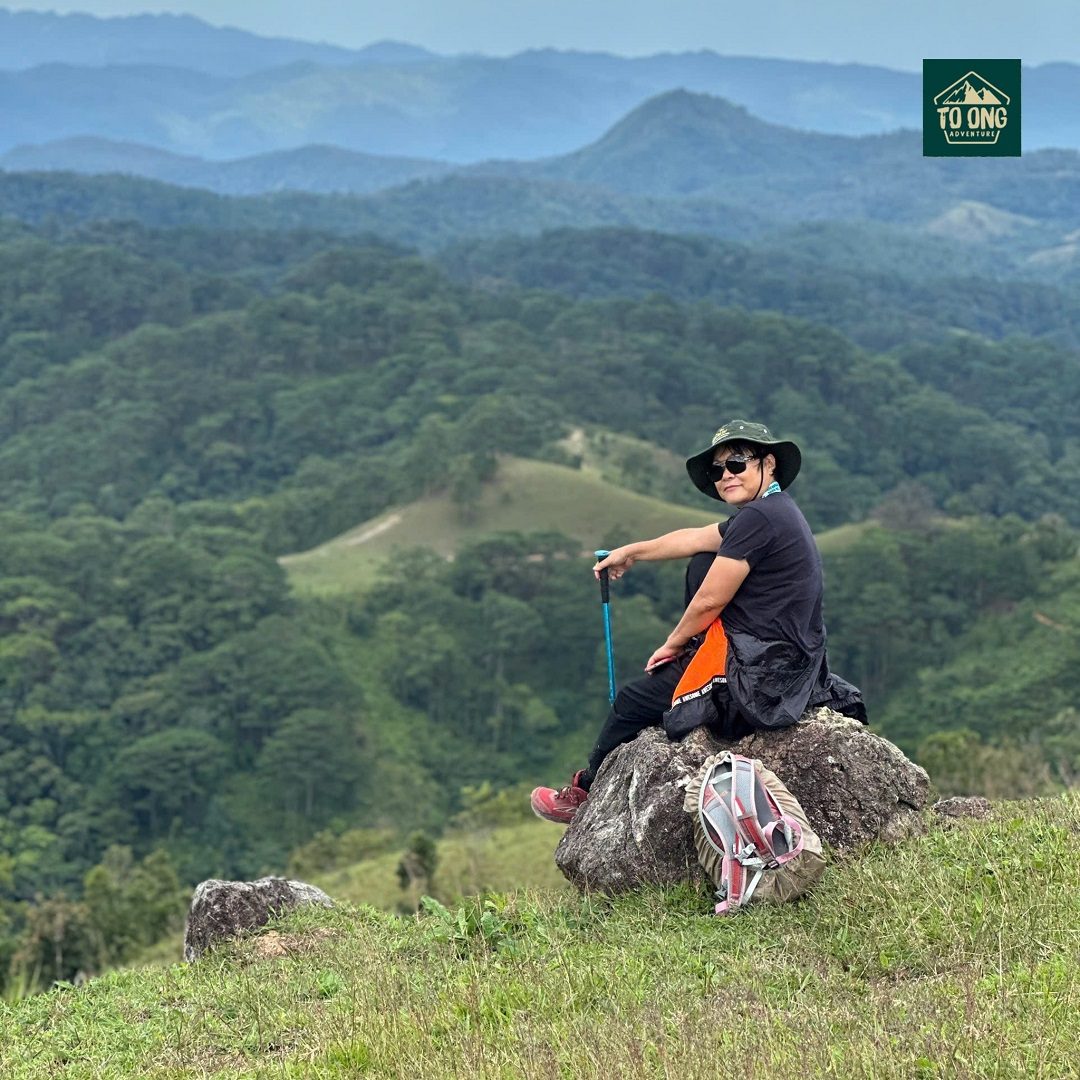
- Maximize safety: Mountains and forests always contain unexpected factors, from challenging terrain and harsh weather to wildlife. Solid experience helps you recognize risks, prevent accidents, and respond more effectively to emergencies such as injuries, getting lost, or dealing with insects and wild animals.
- Improve your exploration experience: When you are well prepared and confident in your abilities, you spend less energy worrying about difficulties on the trail. Instead, you can fully immerse yourself in the grandeur of nature and enjoy every moment, from fresh air and spectacular scenery to the quiet of the forest.
- Develop yourself and push your limits: Every mountain route is a challenge that requires perseverance, endurance, and strong willpower. Learning and applying mountain climbing experience helps you train fitness, survival skills, problem-solving under pressure, and most importantly, discover hidden potential within yourself.
- Stay proactive in every situation: Experience gives you an overall view of the journey, from detailed planning and proper gear preparation to pacing and handling unexpected problems. This brings peace of mind and control, helping you enjoy the trip more fully.
Preparation tips before the trip
Careful preparation before the trip is the foundation of every mountain journey, especially for beginners.
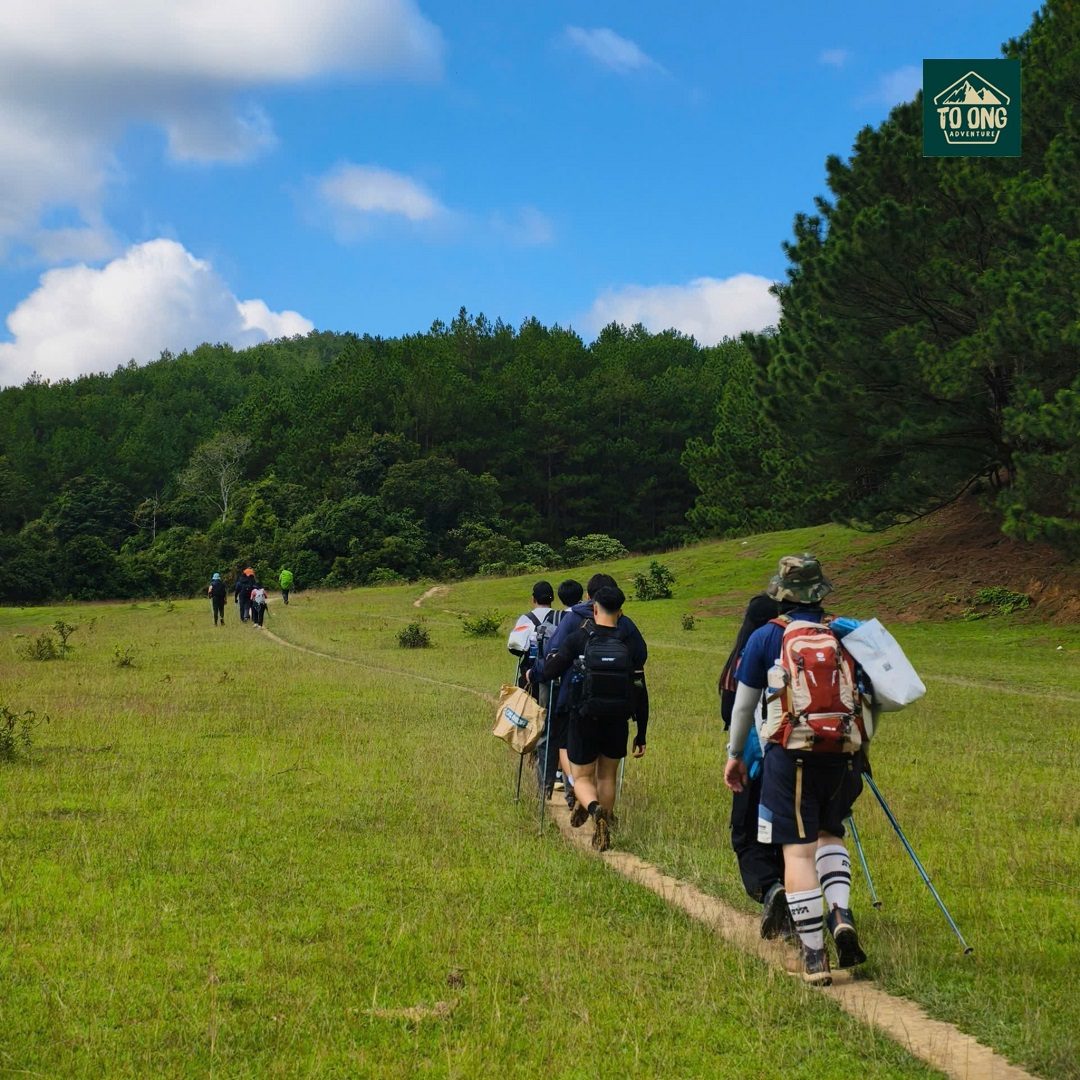 Choose a suitable route and research the destination carefully
If you are new, start with short routes and easier terrain, such as Nature Walking or low-level Mountain Hiking. This helps your body adapt to the activity, builds experience, and develops confidence.
Assess your fitness, current health condition, and any medical issues if you have them. If you feel you are not ready, spend time training with endurance-building exercises such as running, jump rope, stair climbing, or long walks.
Researching your destination carefully is a very important mountain climbing tip. Learn about the terrain, weather, clean water sources, and any animals or insects to watch for.
Use “Google search”, ask people who have done the route before through trekking and climbing groups or forums, or contact professional tour organizers such as To Ong Adventure for detailed advice.
Check the weather and prepare a backup plan
Check the weather a few days before your trip and keep updating it. This helps you finalize your packing, such as raincoats, rain tarps, sunscreen, hats, and scarves depending on the forecast.
If storms, prolonged heavy rain, or extremely harsh weather are forecast, consider postponing or canceling the trip to prioritize safety. Do not take unnecessary risks.
Prepare essential gear and clothing
Packing only what is truly necessary while keeping things “as light as possible” is an art.
- Hiking shoes: Choose dedicated trekking shoes with good grip, anti-slip soles, thick and sturdy construction to protect your feet from injury. Depending on the terrain, choose a suitable type and make sure the fit is right: not too tight to cause pain, and not too loose to feel unstable.
- Socks: Choose socks higher than your shoe collar, with thick, sweat-absorbing material, especially useful on terrain with many leeches.
- Clothing: Prioritize quick-dry, stretchy, breathable, sweat-wicking fabrics. Do not wear jeans. Choose long pants and long sleeves to reduce scratches from branches, insects, snakes, and centipedes. Also prepare layers such as thermal wear, quick-dry T-shirts, and windproof/water-resistant jackets so you can adjust to changing mountain temperatures.
- Accessories: Hat, scarf, arm sleeves, and gloves.
- Personal items: A trekking backpack sized appropriately for the trip, with multiple compartments and support straps to distribute weight, plus other basic personal items.
- Water and food: Always carry enough drinking water, or a water filter if clean water sources are available. Prepare simple, compact, high-energy food.
- Basic first aid kit: Always include bandages, gauze, cotton, antiseptic, pain relievers, insect repellent, and specific medication if you have an underlying health condition.
- Flashlight: Bring a headlamp or handheld flashlight, with spare batteries, for low-light situations.
- Survival tools: Multi-tool knife, waterproof lighter/matches, and emergency whistle. Beginners should learn basic usage before the trip.
- Navigation devices: Map, compass, GPS, or smartphone with offline maps downloaded, and know how to use them.
- ID documents and money: Bring enough, but avoid carrying too much cash or valuable jewelry.
- Sandals: Bring a pair of lightweight sandals to change into when resting at a hut or campsite.
Essential skills for mountain climbing
Along with preparing gear, training movement skills and situational handling is a core part of mountain climbing experience.
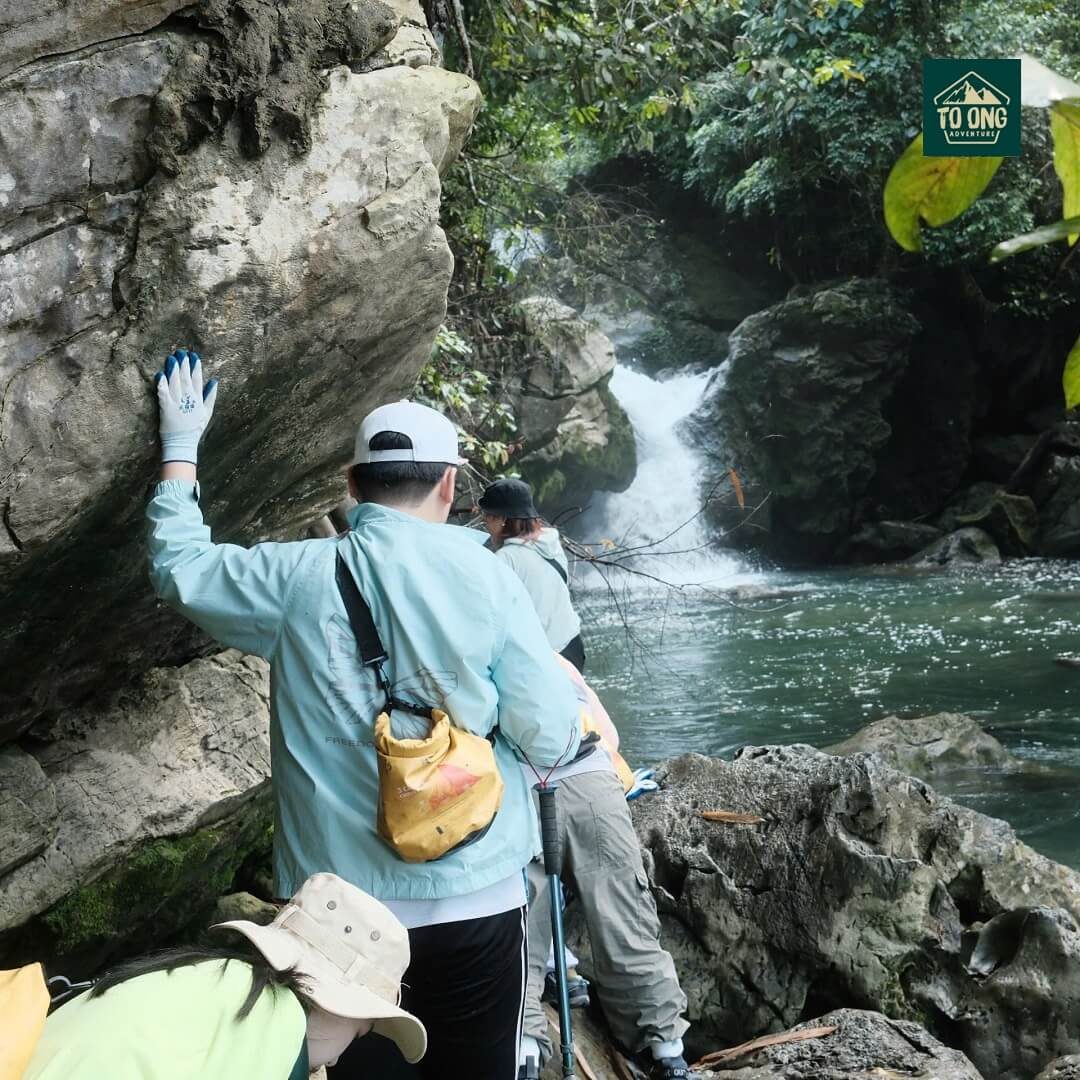 Movement skills and energy management
- Always conserve energy and pace yourself reasonably. Maintain a normal, steady speed and avoid going too fast at the beginning to prevent exhaustion.
- Regulate your breathing. Breathe deeply and steadily, especially when climbing or descending, to maintain your heart rate and supply enough oxygen to your muscles.
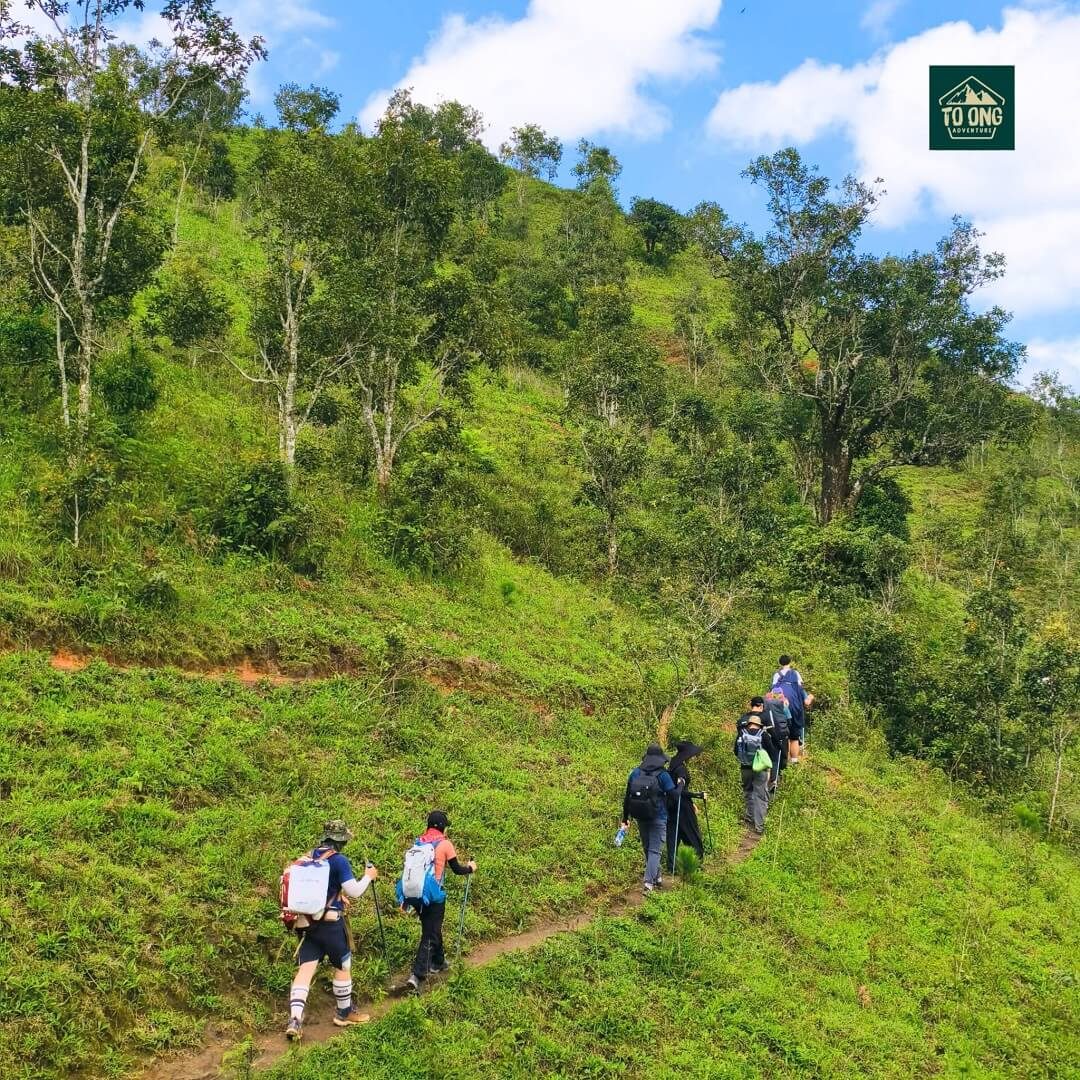
- When going uphill, walk in a zigzag pattern to reduce the perceived slope, and use trekking poles for momentum and to reduce pressure on your knees. If you do not have poles, use rocks or trees on either side for support where appropriate.
- When descending, the body can easily fall forward due to momentum. Step with your soles angled to the slope and lean slightly forward to keep balance and reduce the risk of falling.
- When you feel exhausted, rest to recover. However, do not rest too long, ideally no more than 10-15 minutes, to avoid getting cold and developing muscle stiffness.
Always pay attention to every step, especially on dangerous sections. Do not push yourself when something feels wrong; safety comes first.
First aid and flexible problem-solving skills
Among mountain climbing skills, you should understand basic first aid such as how to handle sprains or dislocations, bandage wounds, and stop bleeding.
If you get lost, stay calm and avoid moving too much so you do not become exhausted. Determine direction using a map, compass, or GPS. At the same time, create signals by making smoke from a fire or blowing an emergency whistle. You can move toward trails or follow rivers and streams, but avoid going deeper into dense forest or dark areas.
Skills for dealing with insects and wild animals
- For leeches: Apply balm to your socks before setting out. If a leech attaches, stay calm and use heat from a flame or salt and chili to make it release on its own.
- For yellow flies: If bitten, use a lighter to warm the rear part of the fly so it releases its proboscis.
- For snakes: If bitten by a snake, apply a tight tourniquet if the bite is on an arm or leg to slow venom spread. If a tourniquet is not possible, cutting the wound and pushing out venom should only be done by someone with proper knowledge in an emergency, and medical help should be sought immediately.
Etiquette and community safety rules
Becoming a trekking “hero” is not only about reaching the summit, but also about responsibility toward nature and the community.
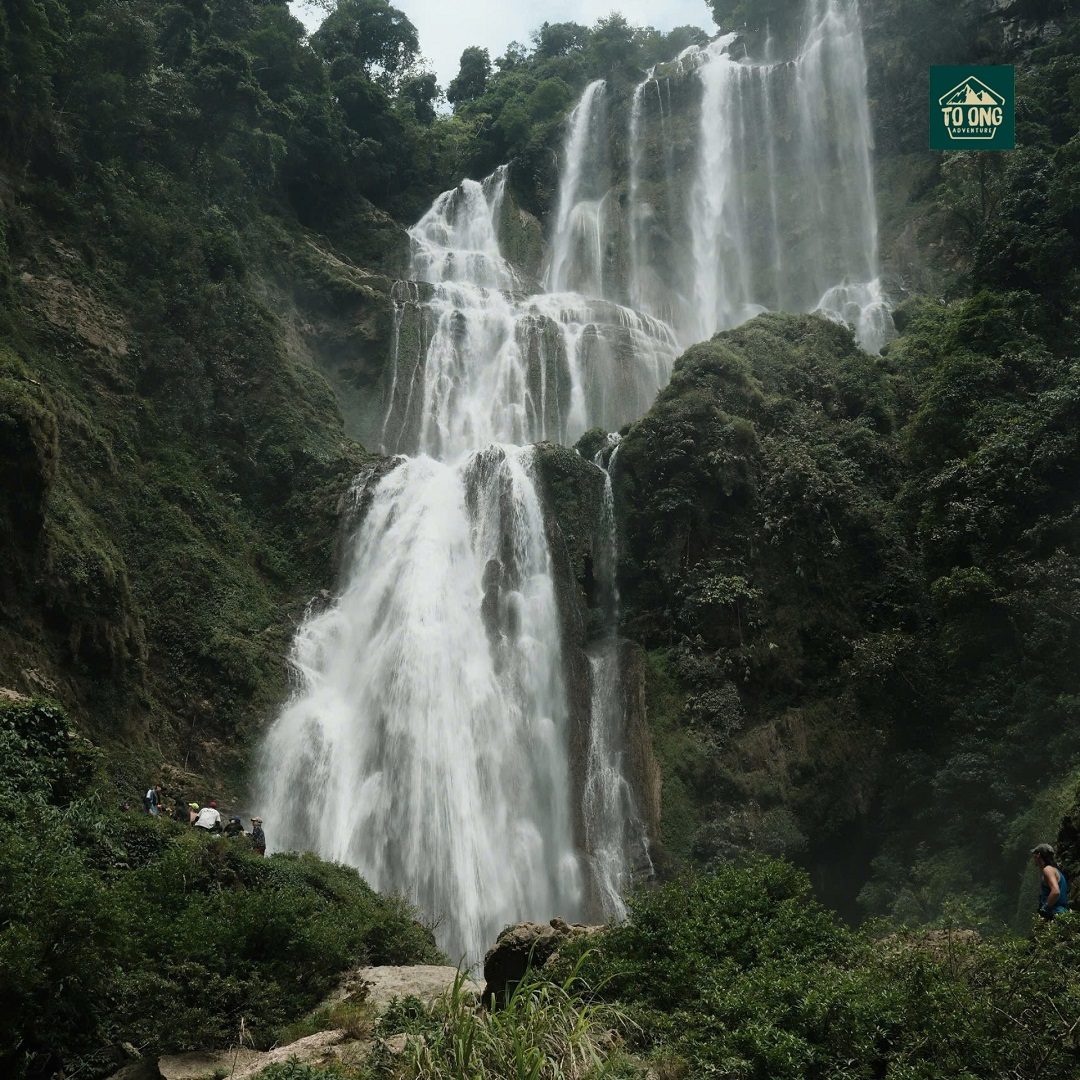 Do not litter and protect the environment
- Leave no trace of yourself in the forest.
- Carry all personal waste out, especially plastic bags and cups. For quickly biodegradable items such as paper, you may burn them in a pit and make sure the fire is completely out.
- Use environmentally friendly items, prioritizing collapsible cups and multi-use utensils instead of single-use plastic.
Tell trusted people about your plan
For trips into areas without phone signal or solo journeys, provide information about your destination, itinerary, timing, and emergency contact.
Sharing this information in advance helps loved ones feel more at ease and allows support to arrive more quickly if something happens.
Specific notes for women
- Choose modest clothing with long sleeves and fitted trouser cuffs, made from soft, stretchy, absorbent material suitable for sensitive skin.
- At night, protect your neck with a light scarf.
- Always apply sunscreen and wear a wide-brimmed hat, whether or not it is sunny.
Some of TOA’s hottest mountain tours
To Ong Adventure classifies trekking into three levels: Nature Walking, Mountain Hiking, and Trekking. This offers a wide range of tours from “zero” to “hero”, helping you gradually pursue your passion. The lowest level, for beginners or those who want a lighter mountain experience, is Nature Walking, while the highest level is Trekking.
 To Ong Adventure’s trekking tour classification table from easy to difficult
| Level | Tour | Journey |
| Nature Walking | Walking Hon Ba (Nha Trang) |
|
| Mountain Hiking | Ta Giang (Khanh Hoa) |
|
| Mountain Hiking | Da Bia Hiking (Phu Yen) |
|
| Mountain Hiking | K50 Waterfall (Gia Lai) |
|
| Trekking | Ta Xua (Son La) |
|
| Trekking | Samu U Bo (Son La) |
|
| Trekking | Ta Chi Nhu Nam Nghiep (Yen Bai) |
|
To go “from zero to hero” in the world of trekking, equipping yourself with mountain climbing experience is an essential first step. With diverse tours ranging from gentle Nature Walking to demanding Trekking, To Ong Adventure is an ideal companion, helping you gradually explore your limits and immerse yourself in the majestic nature of Vietnam. Get ready for your adventure!
Contact information for To Ong Adventure:
- Address: 53 Street No. 2, Van Phuc Urban Area, Hiep Binh Phuoc Ward, Thu Duc City, Ho Chi Minh City.
- Email: hello@toongadventure.com
- Hotline: 0933 22 78 78
- Website: toongadventure.com
- Fanpage: facebook.com/toongadventure