Finding Direction: 4 Tips for When You Get Lost in the Forest
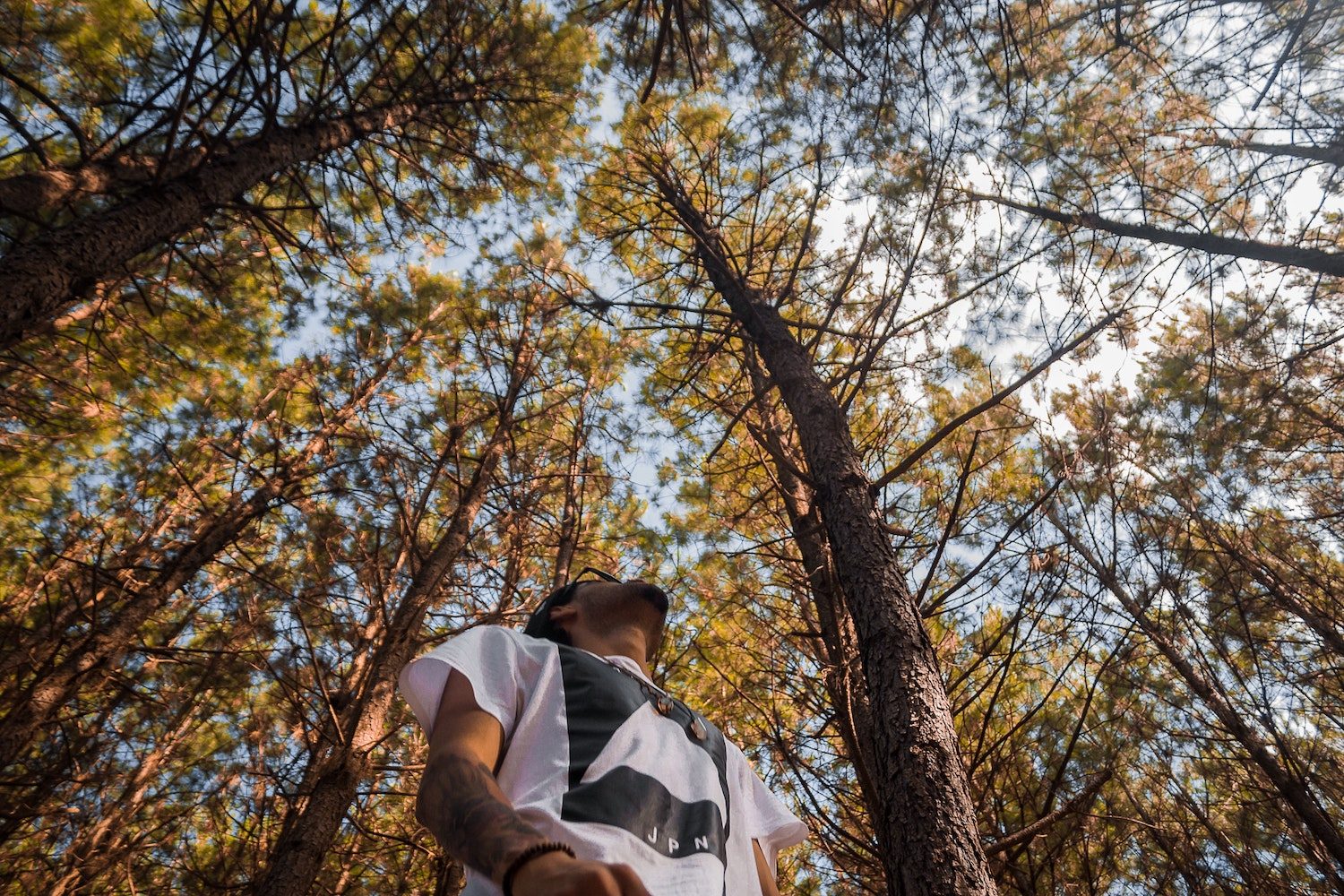
Whether you are a beginner or an experienced trekker, getting lost in a wild forest can happen. That is why equipping yourself with essential knowledge can help you stay calm and get through danger. In any situation, staying calm enough to assess what is happening and respond appropriately is extremely important. Before every trekking trip or journey to a new place, you should learn a few basic survival skills. This article will help you better understand how to determine direction when you do not have a compass or watch.
Finding direction using the sun
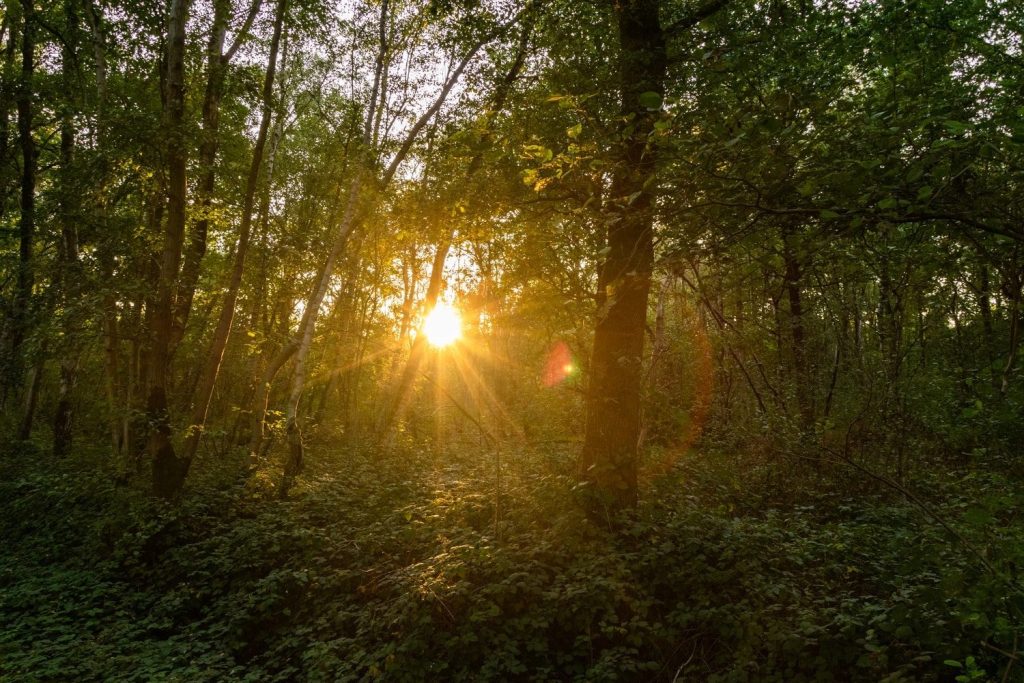
Use the sun to determine direction
By: Thomas Bormans
This is probably a way of finding direction that many of you learned in school. Now is the time to put it into practice. Stand with your arms stretched out and face the sunrise. In the morning, the sun rises in the east. In the afternoon, it sets in the west. Based on this, you can already get a basic sense of where you need to go. However, this method can sometimes be inaccurate. In reality, the sun’s rising and setting positions change slightly depending on the equinox cycle. Before setting off on a trek, make sure you understand this method carefully.
Using trees to determine direction
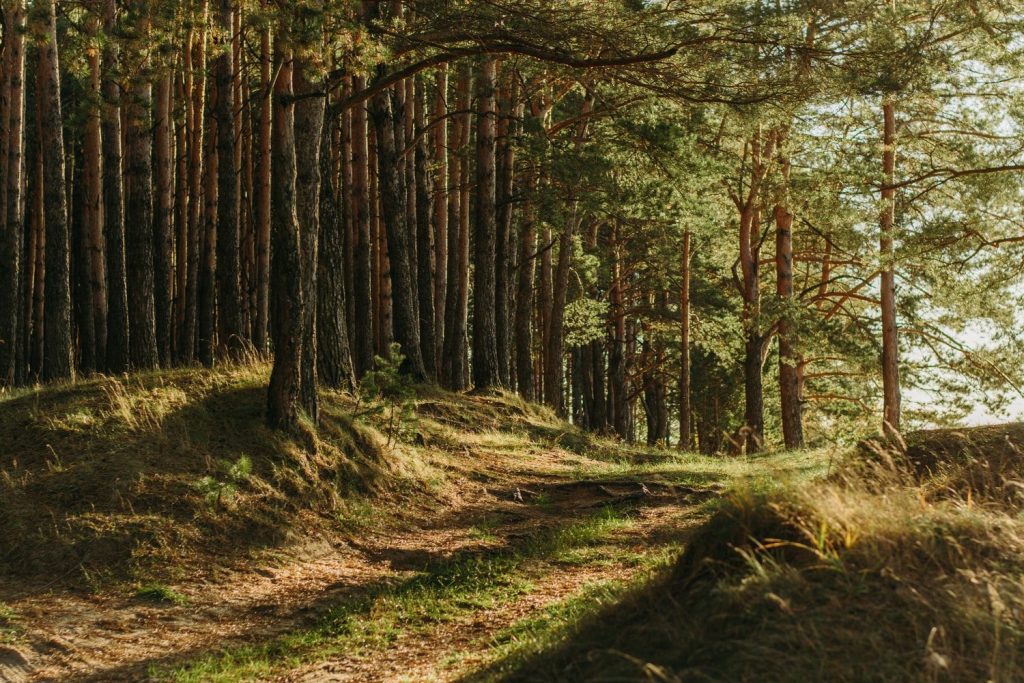
Paying attention to how trees grow can help you determine direction
By: Irina Iriser
Throughout your journey, pay close attention to where plants grow and to the characteristics of the trees around you. They may help you identify direction. For a lone tree, the lush, dense side is usually the side facing south. In contrast, the side facing north tends to be sparser. In dense forest areas, the relatively drier side of a tree is often the side facing south, while the damp, mossy side tends to face north.
Finding direction using the moon
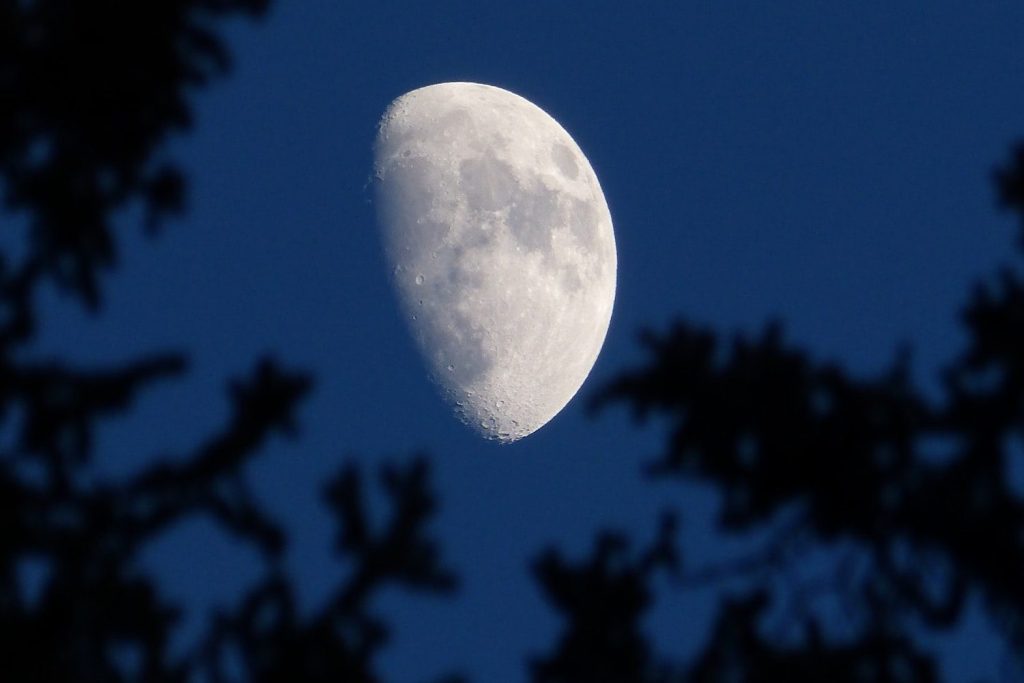
Sometimes you can use moonlight to find your way out
By: Kym MacKinnon
If you get lost at night, do not panic. Stay calm and look at the moonlight. The moon also follows the ecliptic, so its rising and setting positions are somewhat similar to the sun’s. However, because the moon waxes and wanes, using it to determine direction is slightly different. At this point, base your estimate on the date of your trip. In the days before the full moon in the lunar calendar, from the 1st to the 14th lunar day, the crescent side of the moon points east. After the full moon, from the 17th to the 30th lunar day, the crescent side points west.
Use a handmade compass to determine direction
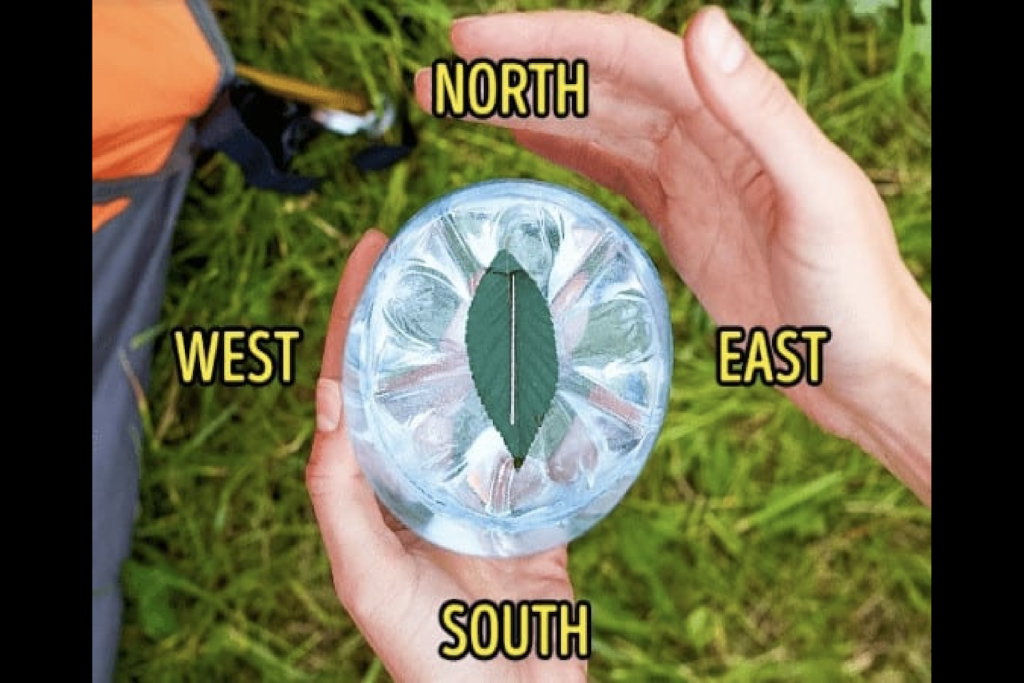 Use a handmade compass to determine direction
This is a very old-fashioned trick that has saved thousands of people over many centuries. Most experienced trekkers traveling through remote wilderness areas carry a compass. However, there may be times when your compass breaks or falls somewhere along the trail. First, pour a little water from your bottle onto a calm surface. Next, slowly place a leaf on the water. Then carefully place a needle on top after rubbing it against your clothing to magnetize it. The Earth’s magnetic field will gradually turn the needle along the north-south direction.
Suggested articles for readers:
Experience exploring Vietnam’s mountains and forests
Why is trekking becoming so popular?
The most beautiful sunrise trekking tours