Eco-Friendly Hiking

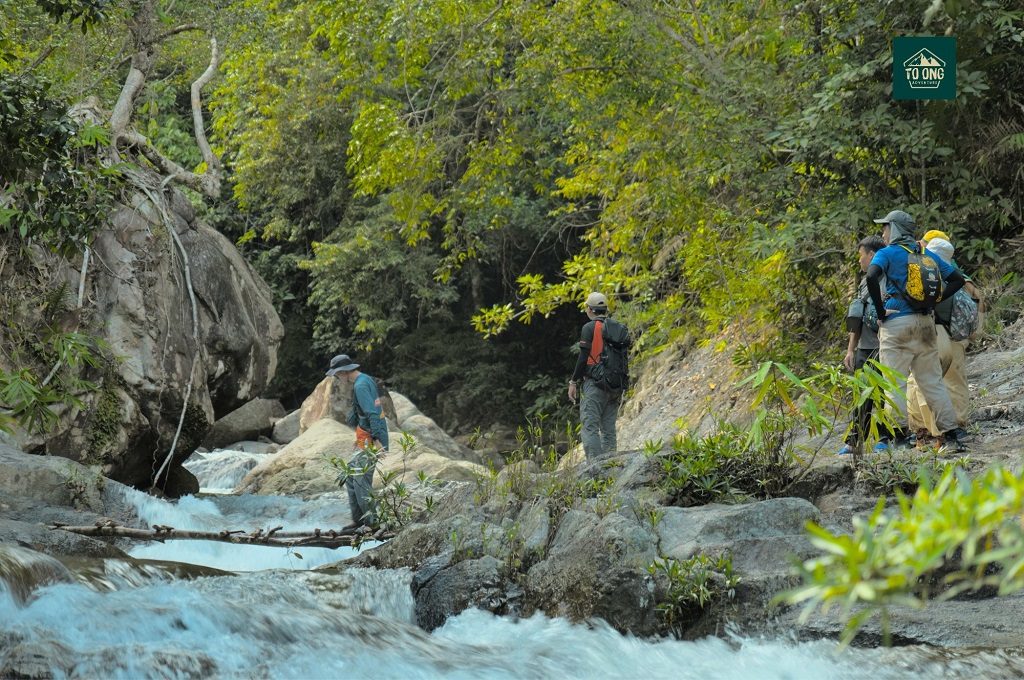
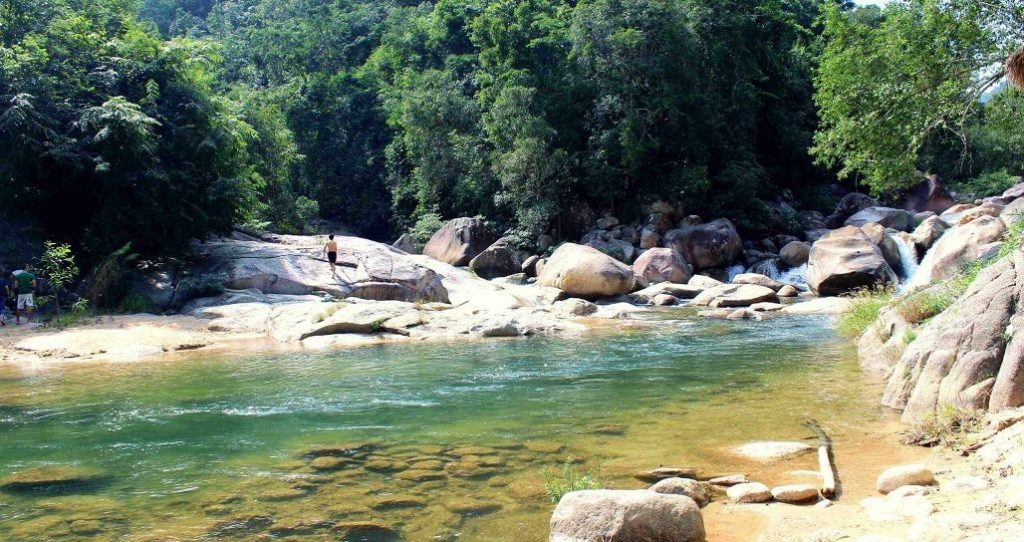
Today, reducing negative impacts on the environment is one of the world’s top concerns. It starts with using energy and resources more efficiently, while reusing and recycling wherever possible. A sustainable lifestyle also includes greener ways to travel. Hiking itself is already a green travel activity, because your main mode of transport is your own two feet instead of a car or motorbike. So let’s explore how to hike in a more environmentally responsible way with Tổ Ong.

Eco-friendly hiking (Photo by Jon Flobrant on Unsplash)
1. Plan and prepare your gear before the trip
The first important part of any hiking trip is the destination. You should not only identify its location, but also learn about the natural characteristics of the area so you know what you should and should not do when you get there.
Before the trip, make a plan for what to bring. Hiking gear should be simple, compact, and lightweight. Bring only what you truly need to avoid waste and reduce the effort of carrying unnecessary weight.
Hikers should limit the use of plastic bags for storing gear. Most plastic bags are used only once, and once released into the environment, they can take hundreds of years to decompose. Prioritize reusable bags, eco-friendly materials, or biodegradable options instead.
Food and drinks should be stored in durable plastic or stainless-steel containers, which can help retain temperature and are safer for your health. In case you do not have enough drinking water for the whole route, consider bringing water purification tablets or UV water purifiers to remove bacteria and parasites from stream water.

Prepare carefully before your hike (Photo by ian dooley on Unsplash)
3. Use natural water responsibly
Natural water sources are precious, especially freshwater. However, natural water can contain elements that are harmful to humans, such as microorganisms, bacteria, and metals. Always filter water properly before using it. Do not discharge waste into rivers or streams, as this pollutes the water source. Cleaning products should be organic and biodegradable. You can also bring a personal basin to use water more sparingly while hiking.
4. Handle waste properly
Hiking routes usually do not have trash bins along the way, so bring a bag for your rubbish. Say no to littering. In particular, every time you break camp, clean up all waste before leaving. Whatever you bring in, take it all back out. This is a way to appreciate nature and respect those who come after you. You probably do not want your photos of the landscape to be full of trash, do you?

Clean up waste before leaving (Photo by Erik Mclean on Unsplash)
4. Be respectful of forest animals and plants
To protect the natural way of life of wild animals, you should not approach wildlife. Most importantly, do not feed them. Over time, this can affect their natural ability to find food.
If you need firewood, collect dry branches nearby instead of cutting trees. You should also avoid picking fruit in the forest, both to protect nature and to keep yourself safe. Many forest plants may look harmless but can contain dangerous toxins.

Do not disturb the lives of wild animals (Photo by Ray Hennessy on Unsplash)
5. Build campfires carefully
If there are designated fire areas with fire rings already in place, prioritize using them. If not, hikers should look for open ground and clear the area to make sure surrounding forest plants do not catch fire. Use paper or dry leaves to start the fire instead of plastic. After use, make sure the fire is fully extinguished and that no embers remain. This is a potential danger. With the right wind direction and conditions, even one smoldering coal can flare up again.
6. Choose a campsite
On multi-day hiking trips, you may need to spend the night outdoors. Your campsite should avoid areas with vegetation. Choose open, clear ground, preferably near large trees for protection from strong winds. Do not flatten the ground where you pitch your tent, as this affects the natural surface. Instead, place thick ground sheets under the tent to reduce unevenness while sleeping. Choosing the right tent also matters. Tent materials should be durable, suitable for long-term use, and free from toxic dyes.

Eco-friendly camping (Photo by Caleb Fisher on Unsplash)
7. Respect the order of nature
You should not bring foreign objects or non-native living things into a natural environment. Many hikers enjoy bringing pets along, but this can unintentionally introduce harmful bacteria or viruses into the area. Likewise, you should not take anything from nature home with you. Small items you may think of as souvenirs, such as a pebble or a leaf, can create a major impact on the area over time.
Trips that leave no negative impact on the environment bring the fullest kind of joy. Making small changes in daily life, including in travel activities like hiking, is one of the simplest things we can do for the environment. So let’s express our love for nature with Tổ Ong through greener hikes.
Suggested reading:
Explore the K50 Waterfall – Hang En Waterfall 2D1N Hiking Tour with Tổ Ong Adventure
8 must-try experiences at K50 Waterfall
Tips for keeping warm while hiking in cold weather