Trekking Backpacks: How to Choose the Right Pack for Your Trip
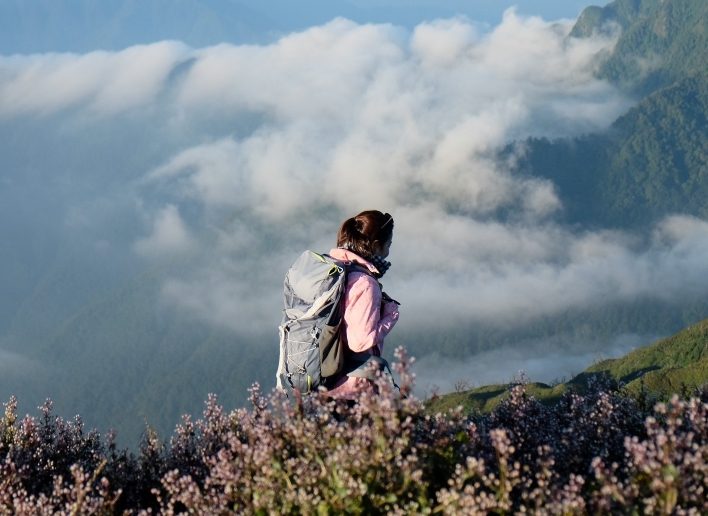
Choosing the right trekking backpack for your body can make the whole hiking experience smoother and more comfortable. Do not invest in a trip only to make it less enjoyable because of the wrong pack. Join Tổ Ong as we walk through the essentials of trekking backpacks and how to choose one that fits you.
WHAT IS A TREKKING BACKPACK USED FOR?
A trekking backpack is very different from a regular backpack in shape, size, and support features. These differences help you carry more gear neatly while reducing pressure on your shoulders. The load is transferred down to the hips, easing shoulder fatigue and reducing heat buildup on the back. Using a poor-quality backpack on a long trekking or hiking tour can lead to spinal imbalance, shoulder strain, and faster fatigue on the trail.
TYPES OF TREKKING BACKPACKS
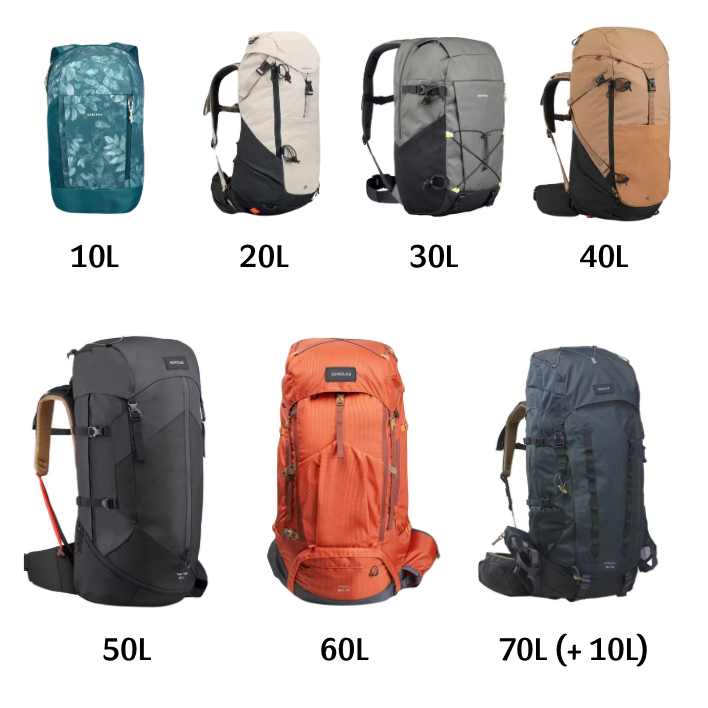
There are several ways to classify trekking backpacks. The most common are by capacity and by frame type.
By capacity:
10L-20L backpacks: these are small, compact, lightweight packs. They are often used for 1-2 day trips that do not require much luggage. A small backpack is enough for clothes, water, snacks, and a few personal items.
30L-50L backpacks: this is currently the most popular range for trekking and hiking. These packs are often used for lightweight self-guided trips or trekking tours where you bring more personal gear. They can hold basic items for 1-2 nights of camping, such as a tent, sleeping bag, clothes, water, and food.
50L-80L backpacks: multi-day treks of 3-5 days require more personal items and food. You may also need to carry a flashlight and survival gear, so greater capacity is helpful.
By frame type
- External-frame backpacks: external-frame trekking backpacks have an easily visible frame on the outside, usually made from aluminum. The frame structure is longer than the pack itself. This is an option if you need to carry heavy, bulky loads. This type is not common in Vietnam.
- Internal-frame backpacks: Most backpacks over 30L today use an internal frame hidden inside the pack, helping it hug the body. This design supports stable balance on uneven trekking terrain.
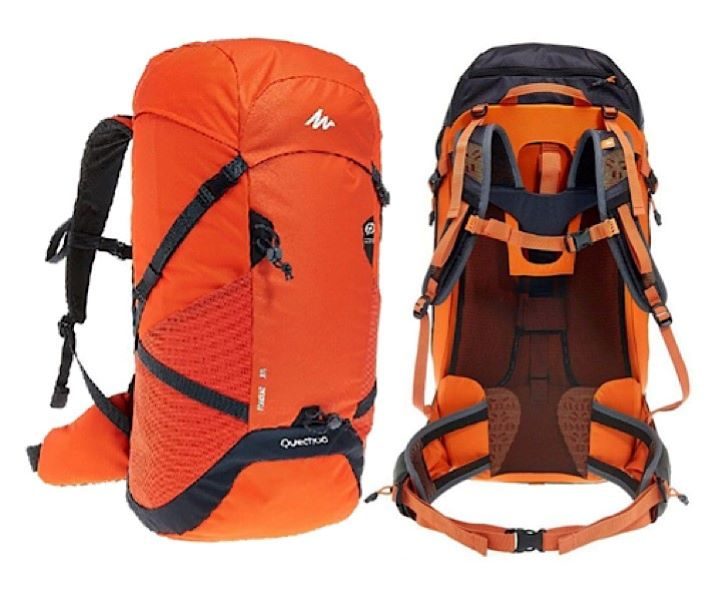
- Frameless backpacks: usually designed for 10-30L packs, making them compact, light, and less bulky. This type is suitable for lighter packing, short trips, or guided trekking tours.
FEATURES AND STRUCTURE OF A TREKKING BACKPACK
Load-distribution design
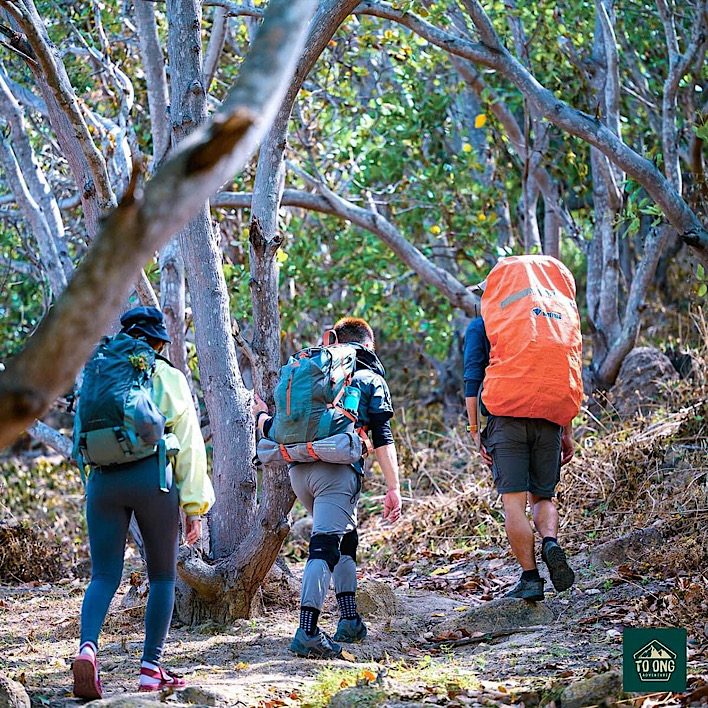
Trekking backpacks are usually designed to run vertically along the back and fit close to the body, helping distribute pressure evenly. Weight is directed down toward both sides of the hips. At that point, your shoulders mainly keep the backpack in place and prevent it from pulling backward.
Back padding
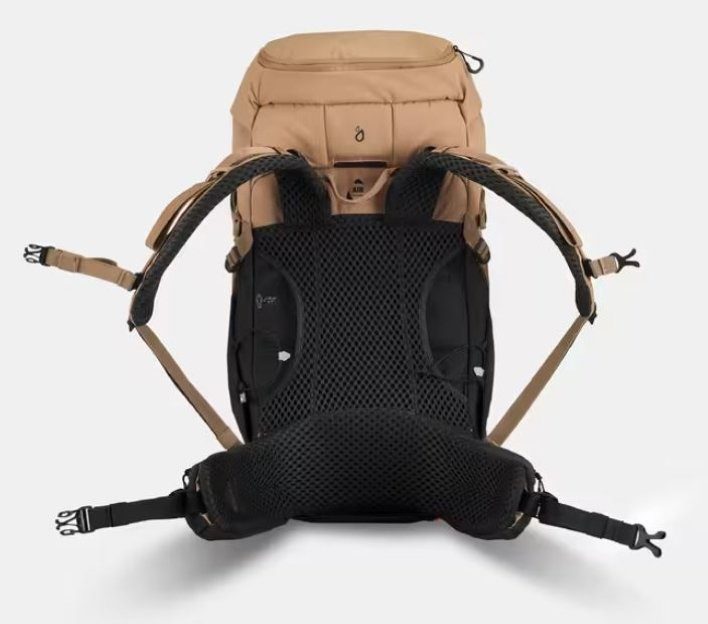
Almost all trekking backpacks have back padding, including the section that touches your back and the supporting frame. Back padding reduces pressure on the shoulders and back, helping the wearer feel more comfortable during long periods of carrying. The frame helps distribute the load evenly across the back, increases stability, and keeps gear from shifting around too much.
Support straps and stabilizing straps
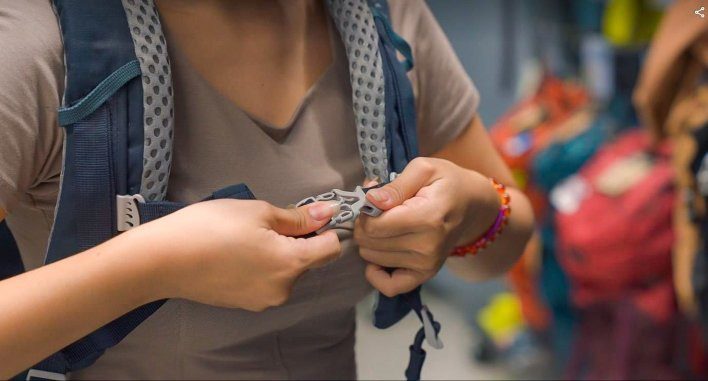
Along with the two padded main shoulder straps, trekking backpacks also have extra support and stabilizing straps. This is an important feature. Chest straps and hip belts are designed to secure the backpack to your body and minimize movement while crossing trekking terrain. Lower compression straps keep the pack tidy and provide extra space for attaching accessories or gear.
Gear access compartments
Trekking backpacks are designed for convenience, with multiple small compartments, expandable pockets, and mesh pockets. These make it easier to organize and access gear when needed. Common features include a sleeping bag compartment, bottle holder, hip zip pocket, hip mesh pocket, and rain jacket compartment.
Trekking backpacks are also usually designed with two openings, while smaller models may have only one. Specialized trekking backpacks often include a hydration pocket for holding dedicated water bladders. You can carry this water system throughout the journey without worrying about spills.
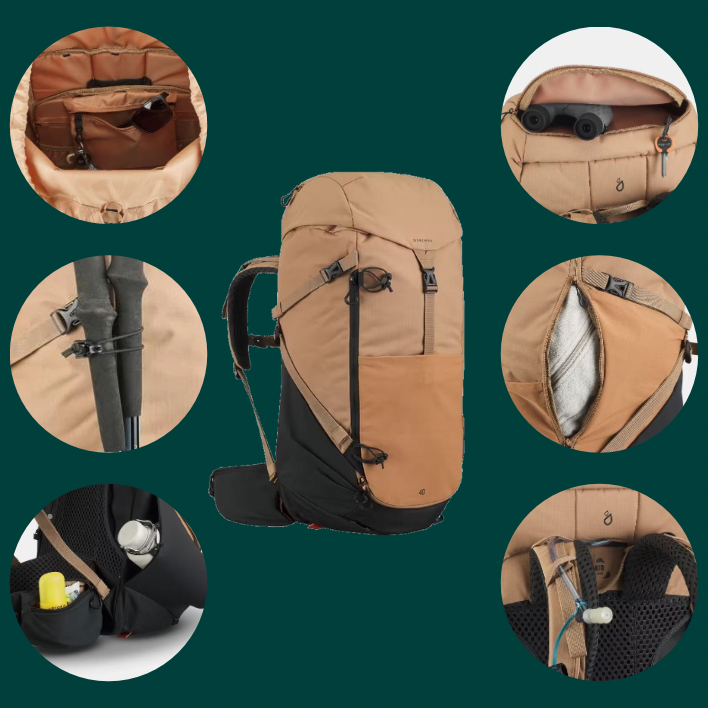
There are also small hooks and external straps on the outside of the backpack. With these features, you can attach items such as a tent, sleeping bag, trekking poles, or sleeping mat outside the pack, saving space inside.
HOW TO CHOOSE THE RIGHT TREKKING BACKPACK
There are many criteria for choosing a trekking backpack. You can start with the following basic considerations:
Choose pack volume based on trip length
A short trekking or hiking trip usually lasts 2 days 1 night or 3 days 2 nights. If you join a guided trekking tour where bulky items such as tents are provided, a 20L-50L backpack is usually enough depending on how much personal gear you bring. For longer trips or self-guided journeys, consider a larger 50L-80L backpack.
Choose backpack size based on your back shape
This factor is usually based on the wearer’s torso length. The best trekking backpack for you will have a back length that matches your own torso size.
– Check your torso size: Your torso size is the distance between the upper and lower points of your back. Put your hands on your hips as if standing with arms akimbo, and you will feel the highest point of your hip bones. This is the lower point of your back. Stand straight and relaxed, then locate the point where the line between the highest points of your shoulders meets your neck. This is the upper point of your back.
– Check the backpack back length: The upper point of the backpack is where the shoulder straps meet the back panel. The lower point is the bottom edge of the hip belt.
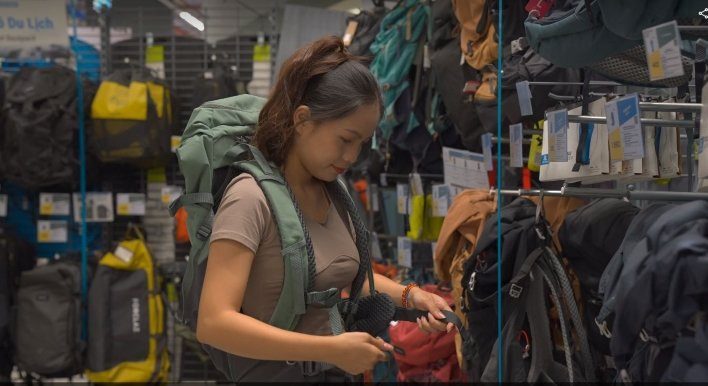
If the upper point of the backpack back panel sits level with the upper point of your torso measurement, that backpack size is likely the best fit for you.
Consider other trekking backpack criteria
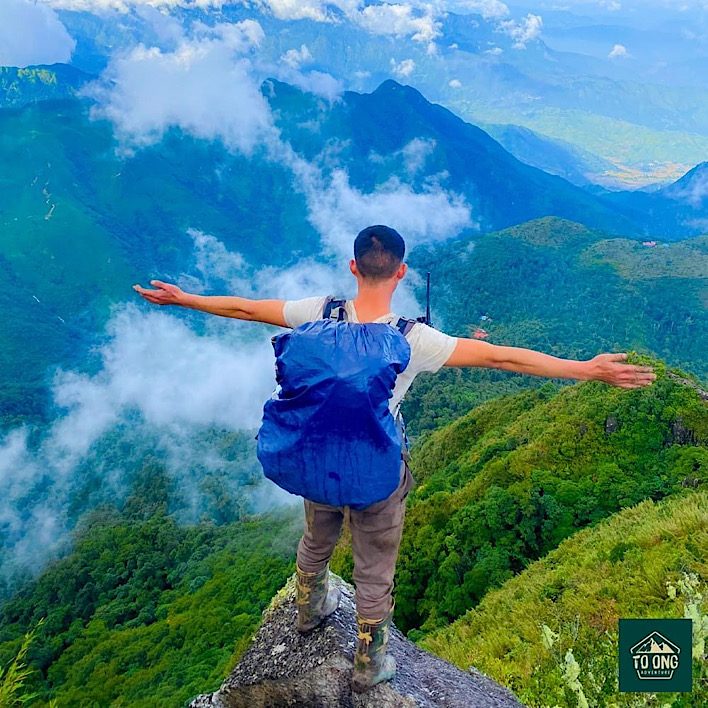
Beyond size and capacity, you can also choose based on preferred design and color. Other criteria include water resistance, strong zippers and straps, back padding thickness, and the number of gear compartments. If you trek during the rainy season, you can also buy a rain cover for your backpack.
FINAL THOUGHTS
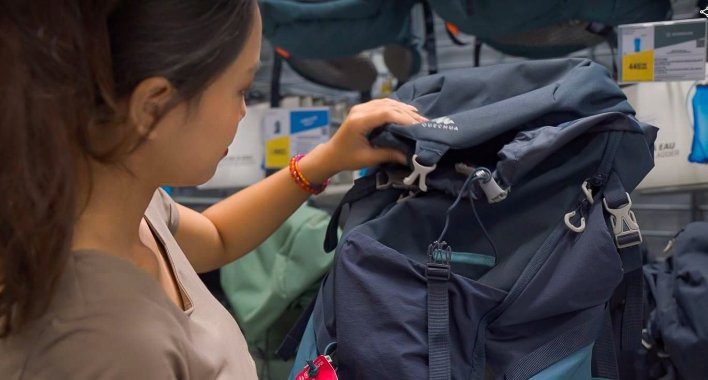
Once you have narrowed down a few suitable backpack models, remember to try them on and check the zippers, stitching, and support-belt buckles before paying.
If you choose a guided trekking tour, you can significantly reduce how much luggage you need to carry, especially bulky items. Tổ Ong prepares tents, food, standard medical equipment, and other necessary items in advance. That makes it easier to choose a trekking backpack, and your movement on the trail becomes lighter and safer. Tổ Ong is always here to accompany you on trekking and hiking journeys across Vietnam.
Suggested reading:
Lao Than Trekking Tour
Essential specialized trekking gear for Ky Quan San trekking
Trekking tips: taking beautiful nature photos with your phone
Checklist for trekkers before climbing Lao Than