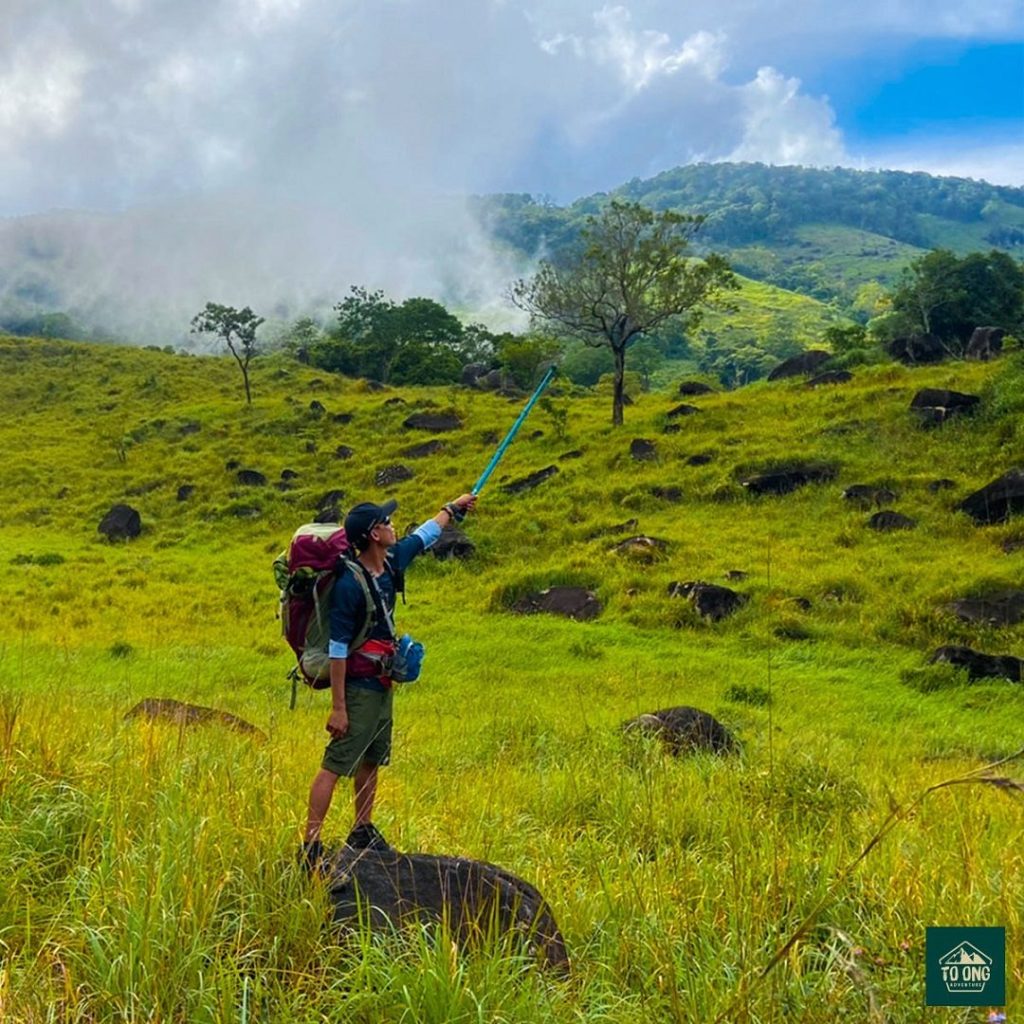
Essential Basic Fitness Exercises Before a Hiking Trip
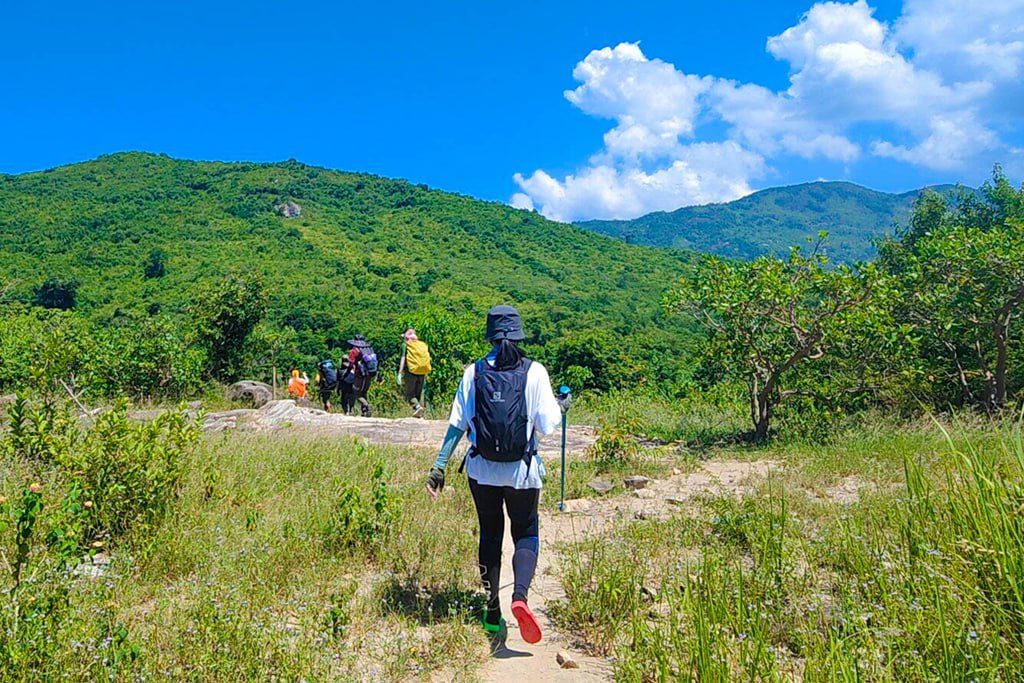
Hiking has become a popular form of adventure travel in recent years. A hiking trip often lasts several days and involves walking continuously for dozens of kilometers. That is why physical training before the trip deserves serious attention. Join To Ong to learn about fitness exercises for your hiking journey.
1. Surprising benefits of fitness training for hiking:
Exercise has a positive impact on both physical and mental health. Scientific studies and real-life experience have shown this. People who exercise regularly tend to have fitter bodies, more relaxed minds, and stronger resistance. In addition, your body becomes more flexible, your balance improves, and the risk of injury is reduced. All of this can make your hiking journey lighter, more joyful, and more motivating as you complete the trip.
2. Endurance exercises for hiking:
Mountain climbers:
As the name suggests, this exercise is highly suitable for hiking trips. Regular practice helps improve endurance in your back, arms, and legs.
Step 1: Get into a push-up position, then slowly bring your right leg forward so your knee nearly touches your right elbow.
Step 2: Return your right leg to the starting position. Slowly bring your left leg forward so your knee nearly touches your left elbow.
Step 3: Alternate legs and repeat steps 1 and 2 for 30 seconds.
Try to breathe steadily and engage your abdominal muscles for the best effect.

Glute bridge:
This exercise strengthens your core, glutes, hips, and lower back. It requires you to tighten your abdominal and leg muscles throughout the movement.
Step 1: Lie on your back, place your arms along your body, and keep your palms facing down on the ground for support. Bend your legs so your feet stay flat on the ground.
Step 2: Lift your hips so your body forms a straight line from shoulders to knees.
Step 3: Lower your hips back to the starting position. Repeat step 2 continuously for 30 seconds.
Plank:
The plank is a well-known exercise for tightening the hips, shoulders, arms, and legs, making it very useful for hiking.
Step 1: Start in a push-up position, but bend your arms so your upper arms and elbows form a 90-degree angle. Engage your core so your body stays in one straight line.
Superman:
This is another exercise that helps improve your core and lower back for hiking. To reduce the risk of injury while training, prepare a workout mat with suitable thickness. Imagine the flying pose of a superhero and follow the steps below.
Step 1: Lie face down, with both arms stretched straight above your head.
Step 2: Lift your arms, legs, and chest off the ground at the same time. Hold for a few seconds, then slowly return to step 1. Repeat for 30 seconds.

One way to make the exercise harder is to lift your left arm and right leg, or the opposite pair, instead of lifting both arms and legs together. Then lower them while lifting the opposite arm and leg.
3. Balance exercises:
Balance is very important on a hiking journey because you will cross many uneven terrains. Some balance exercises include:
Single-leg balance
Step 1: Choose a firm, flat surface and stand upright.
Step 2: Lift one foot about 15 – 30 cm off the ground. Hold for 30 seconds, then switch legs and repeat.
If you want to make the exercise more advanced, stand on a soft surface. You can spread your arms to help keep balance.
Backward step:
Step 1: Stand upright. Step one foot backward while maintaining an upright posture.
Step 2: Use your leg muscles to slowly bring the other foot back to meet the first foot.
Step 3: Repeat step 1 with the other leg and continue for 30 seconds.
Squat with jump:
Step 1: Stand with your feet shoulder-width apart, then slowly lower into a squat until your thighs are parallel to the ground. Keep your upper body straight.
Step 2: Push through your heels, build momentum, and jump off the ground. Return to the squat position as soon as you land. Repeat the movement for 30 seconds.

4. Cardio exercises for a hiking trip:
Cardio training is also very important because mountain areas often have much thinner air. The main goal is to help your heart and lungs get used to working at a higher level. Cycling, swimming, running, and even walking all work well. Training three to four times a week, 35 – 45 minutes each time, is enough. When you are just starting, avoid high intensity. As your hiking departure date gets closer, gradually increase your training time. You can carry about 5 kg of luggage and remember to wear hiking shoes throughout training so your body can slowly adapt.

Above are several exercises to help you prepare well for your hiking trip. Not only useful for hiking, these exercises are also good for your health. So train regularly and consistently. If you want to go hiking, contact To Ong for dedicated support throughout the journey.