Jungle Trekking: How to Stop Worrying About Leech Bites
What worries you most about jungle trekking? Is it getting bitten by leeches? Do not worry, because Tổ Ong has practical tips to help you prevent and treat leech bites.

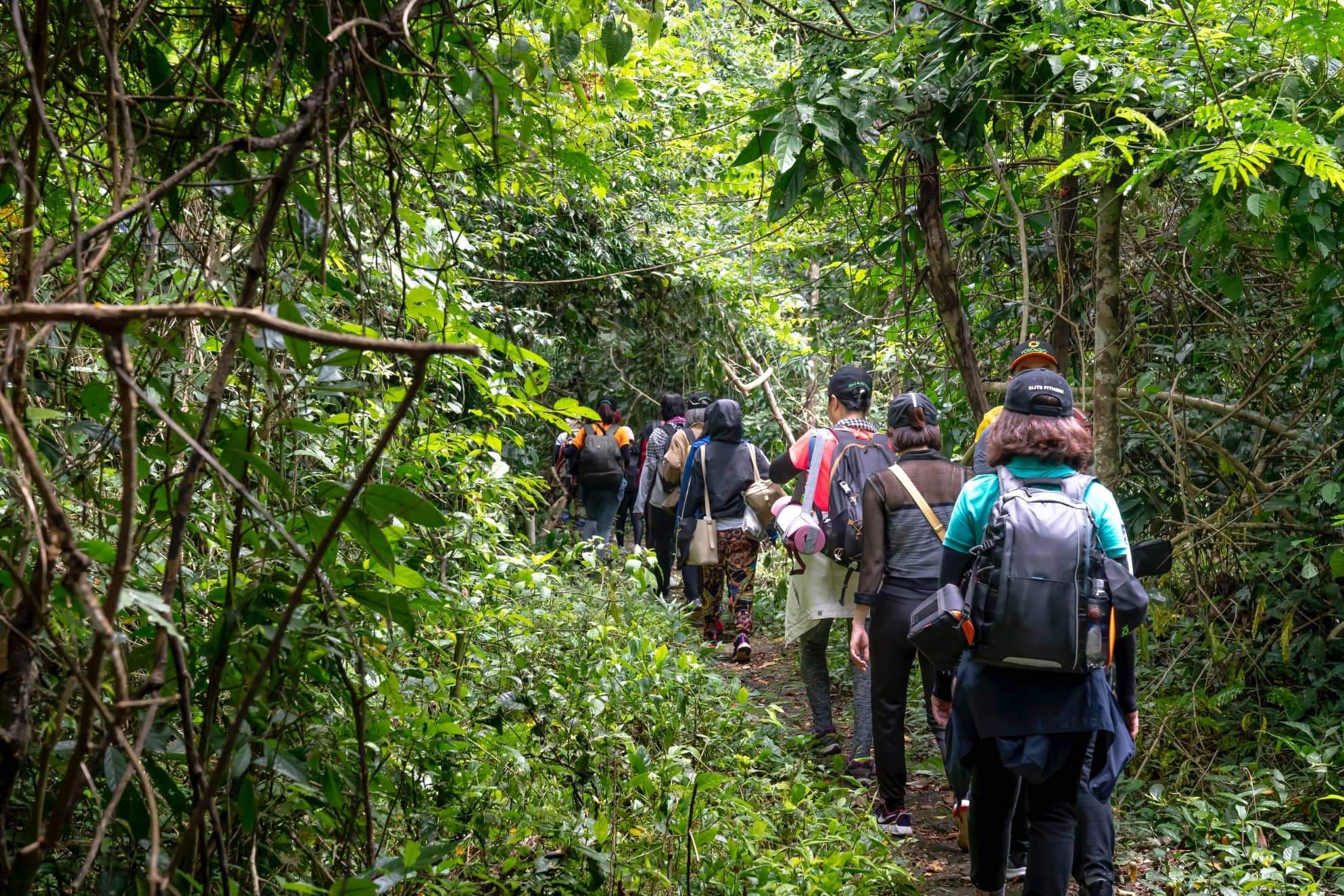
Jungle trekking (Photo by Baihaki Hine on Unsplash)
Deep jungle trekking always comes with potential risks. One common concern is being bitten by insects, especially leeches. Leech bites are usually not life-threatening, but they can seriously affect your journey. In this article, join Tổ Ong to learn how to deal with leeches while trekking.
1. A quick look at leeches
Leeches are blood-sucking creatures similar to aquatic leeches, usually 2-5 cm long. They have suckers at both the head and tail, and once attached, they can be difficult to remove. Their favorite feeding spots are warm areas of the body such as the neck, upper arms, calves, thighs, and abdomen.
Forest leeches are most active during two time windows: 5-8 a.m. and 5-7 p.m. They thrive in the damp conditions of dense forests, especially at temperatures around 25-28°C.
When walking in the forest, if you see a leech clinging to your clothes, brush it off immediately. It usually takes about 1 minute for a leech to bite and another 2-3 minutes before it starts sucking blood. During this time, the area where it attaches may feel itchy. After that, the itchiness may stop and you may feel a tickling sensation as the leech begins feeding. At that point, bleeding can be hard to stop, so pay close attention.
2. Are leech bites poisonous?
Land leeches and leaf leeches do not have strong venom. Their bites may cause mild itching and continuous bleeding. However, leech saliva can contain bacteria that may lead to infection.
3. How to prevent leech bites

Prepare carefully for the trip (Photo by Oriol Pascual on Unsplash)
Prevention is better than cure. To prepare for a jungle trekking trip, keep the following points in mind.
Choose routes with fewer leeches and limit trekking in the rainy season
Research the route you plan to take. You can learn from previous trekkers or join a guided tour to choose a trail with fewer leeches. Damp weather creates ideal conditions for forest leeches to grow. A roadside bush or a moist rock hollow can become their hiding place. Try to avoid trekking during the rainy season. Going in dry weather will be safer.
If you still want to conquer trails where leeches are present, Tổ Ong has one lesser-known tip: walk at the front of the group. Leeches often emerge only after sensing movement on the ground, so you may have passed before they have time to crawl onto you. As for the people behind you, you get the idea.
Prepare the right clothing:
Choose long, light-colored clothing that fits close to the body. Nylon is a good option because leeches cannot move far on this surface. Cover your neck, wrists, ankles, and waist, as leeches can enter through gaps. Leech socks are also recommended. These are protective gaiter-like covers from the ankle to the thigh, with elastic ties at both ends.
Apply leech repellent
No matter how covered your clothing is, leeches can still get in through small openings. Apply leech repellent to your body. Common products include DEET and DEP-based insect repellents. Use spray products for shoes and outer clothing. Repellent wears off after a while, so reapply it regularly.
Choose a waterproof tent with insect mesh
A good-quality tent helps you rest properly. Prioritize waterproof tents with mesh that can keep leeches and other insects from getting inside.
Choose rest stops and campsites carefully while trekking
Another point to remember is to avoid resting directly in the forest, especially in dense, damp areas. These are common leech habitats. If you need to rest, choose a surface without dry leaves or thick grass, and lay down a waterproof mat.
The same goes for campsites: choose an open, airy area. Before setting up camp, spray repellent and light a fire to drive away leeches and other insects.
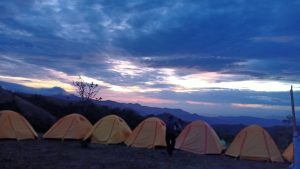
Tent quality and campsite selection also matter
4. What to do if you are bitten by a leech
Remove the leech’s sucker
If you discover a leech bite, immediately use your fingertip to slide close against the skin, remove the leech’s small sucker end, and brush it away. Otherwise, it may continue clinging to your body.
You can also carry a mosquito spray such as Remos. Spray twice on the bite area and the leech should release and fall off.
Do not use salt or fire
Salt and fire can indeed make a leech release slowly. However, this method may cause the leech to regurgitate blood back into the wound, increasing the risk of infection.
Stop the bleeding
When feeding, leeches inject an anticoagulant into the body, which causes the bite to keep bleeding. Press the wound with your finger for a while to stop the bleeding, or cover it with a bandage. Do not forget to clean or disinfect the bite.
Disinfect the wound
When trekking in the jungle, always carry a personal first-aid kit. Gently clean the wound with antiseptic solution and cover it with medical tape. Check the bite every hour if convenient.
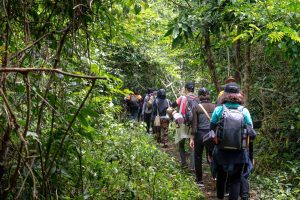
Immerse yourself in beautiful nature
With the tips above, Tổ Ong hopes you will no longer have to worry about leech bites on your trekking trip. We wish you wonderful experiences in nature.
Suggested reading:
Explore the Bidoup Trekking Tour with Tổ Ong Adventure
10 poisonous mushrooms to watch for when trekking through Vietnam’s national forests
Finding direction with 4 survival tips when lost in the forest