The Lessons Behind Mountain Climbing

Have you ever wondered why more and more people are drawn to mountain climbing? Every sport exists because it carries a certain meaning, and multi-day mountain climbing is no different. Maybe you love adventure, have a soul that wants to be close to nature, want to try a new sport, or were invited by friends. All of these are reasons why climbing has become increasingly popular. So what valuable lessons does this activity teach?
Mountain Climbing Helps You Learn to Overcome Fear
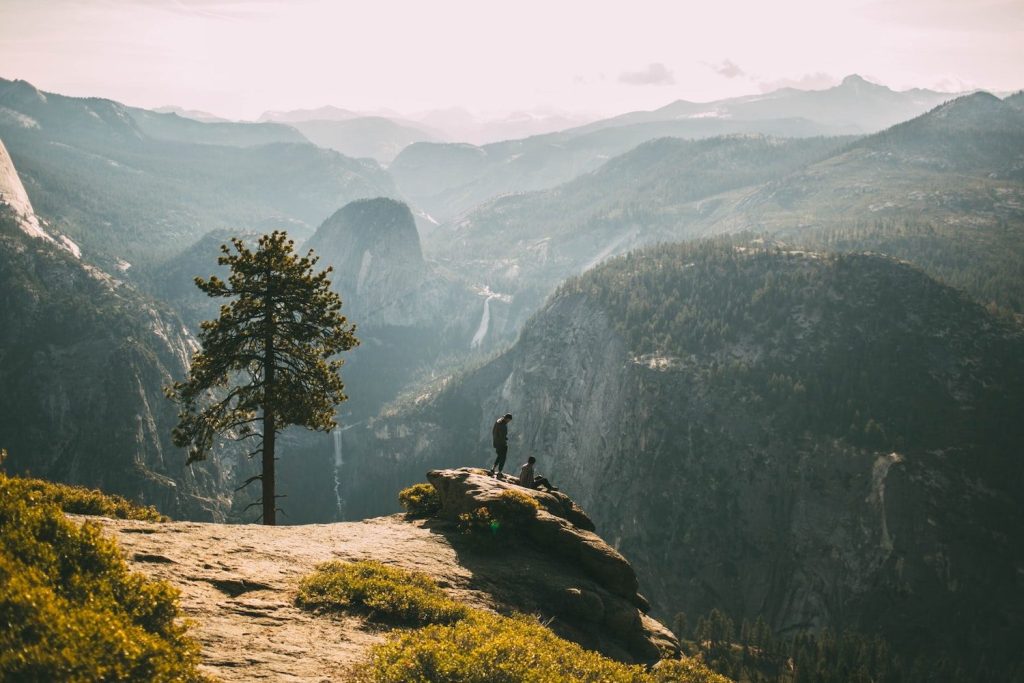
Mountain climbing helps you overcome fear, one of the biggest obstacles people face
Source: Nathan Dumlao
Mountain climbing is a sport that can leave marks on your body at any time. Sometimes it is only a scratch from grass or branches, but it could also be a limping step after a slip. After an accident, climbers often exercise harder and build their endurance more seriously. When they feel confident in their physical strength, they return and conquer the very place where they once fell. At that moment, reality teaches them a lesson: their biggest obstacle is mental. Even when their physical condition has clearly improved, they may still carry fear from the place where they stumbled. What climbers need then is to overcome their own fear. Only when that fear no longer controls them can they step forward boldly to conquer nature.
The Second Lesson Climbing Teaches Is How to Adapt and Respond in Any Situation
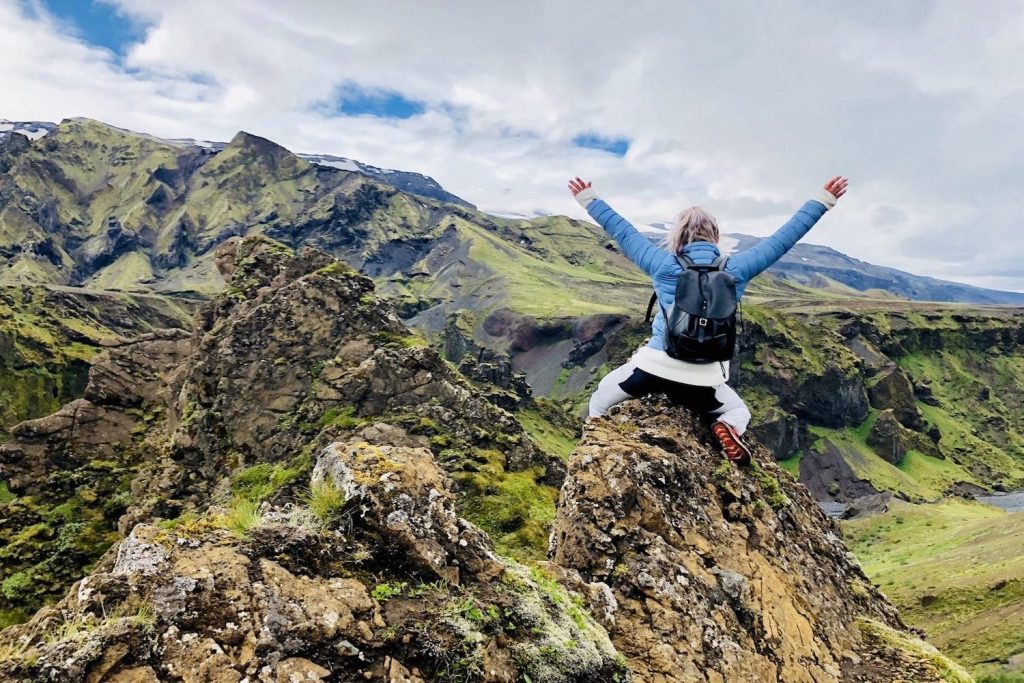
Mountain climbing helps you adapt well in any situation
Source: Charlotte Karlsen
On long journeys into nature, such as mountain climbing, many external factors can affect you. In reality, you cannot always predict the weather at your destination. You also cannot know exactly what the terrain will be like if you have never been there. Even if you prepare a perfect plan, there will be moments when the sky does not follow your wishes. The weather may suddenly turn bad, and the trail may no longer be easy. Climbing helps you adapt to unexpected situations like these. You realize that no matter how frustrated you are, the weather will remain what it is. The trail will not become easier just because you want it to. So what you can do is change yourself and adapt to the conditions.
Mountain Climbing Helps You Recognize and Use Your Strengths
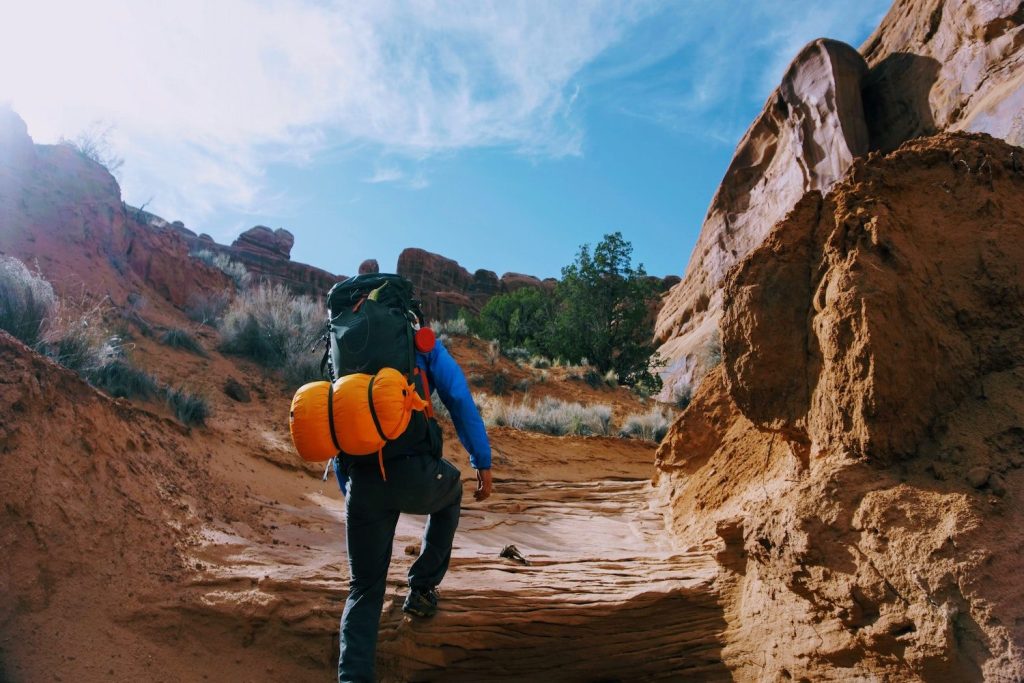
Using your strengths is a lesson mountain climbing teaches
Source: Matt Gross
On the way to conquering the heights of Mother Nature, you are unlikely to be alone. Some people may walk ahead of you, and others may walk beside you. Naturally, everyone’s physical condition is different. At times, you may make the mistake of feeling inferior because you are not as fast or flexible as your friends. You may ask how they move so comfortably and smoothly, then try to copy them. At this point, mountain climbing helps you realize that you cannot succeed by using someone else’s method exactly. Each person has their own strengths. They may be stronger than you, but not as skillful as you. So trust your own abilities.
Mountain Climbing Creates Deeply Connected Relationships
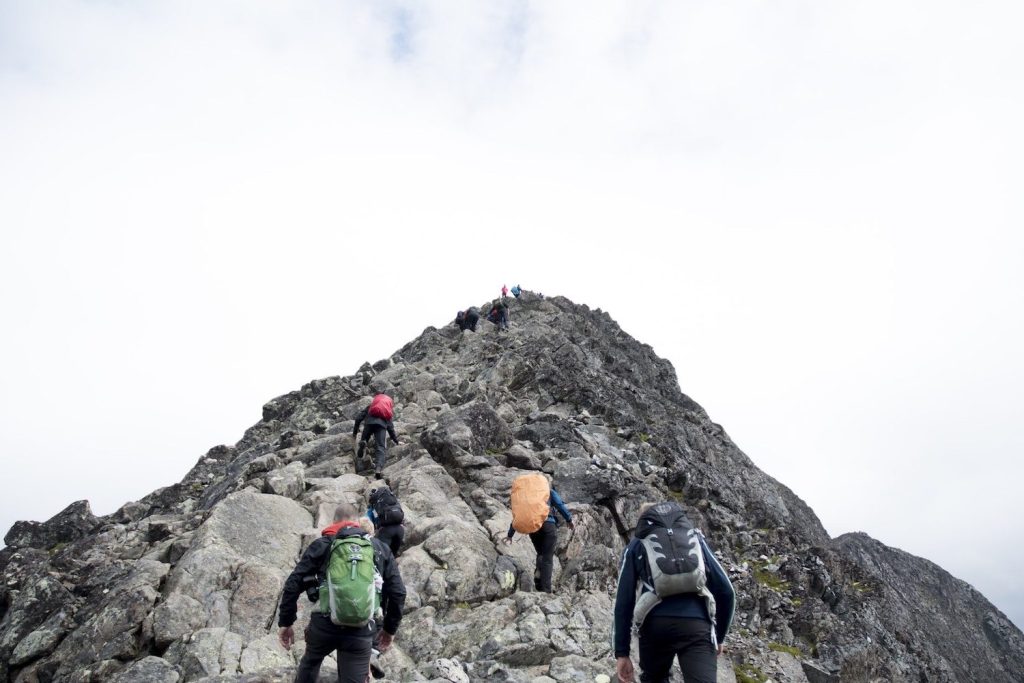
Mountain climbing creates deep connections
Source: Mathias Jensen
At 18, you may feel proud of achievements you gained alone. But in middle age, when you look back, you may feel proud of the relationships you built. Mountain climbing creates strong bonds with people who share your interests and passion. You may realize that the friends climbing brings into your life are people you can trust for a lifetime. After all, you have conquered difficult trails, dangerous cliffs, and steep mountains together. Nights spent talking, sharing stories, and holding each other through the cold can bring people close far faster than ordinary life. This activity helps you see the difference between work-like relationships and true lifelong friends.