10 Poisonous Mushrooms to Watch for When Trekking Vietnam’s National Forests
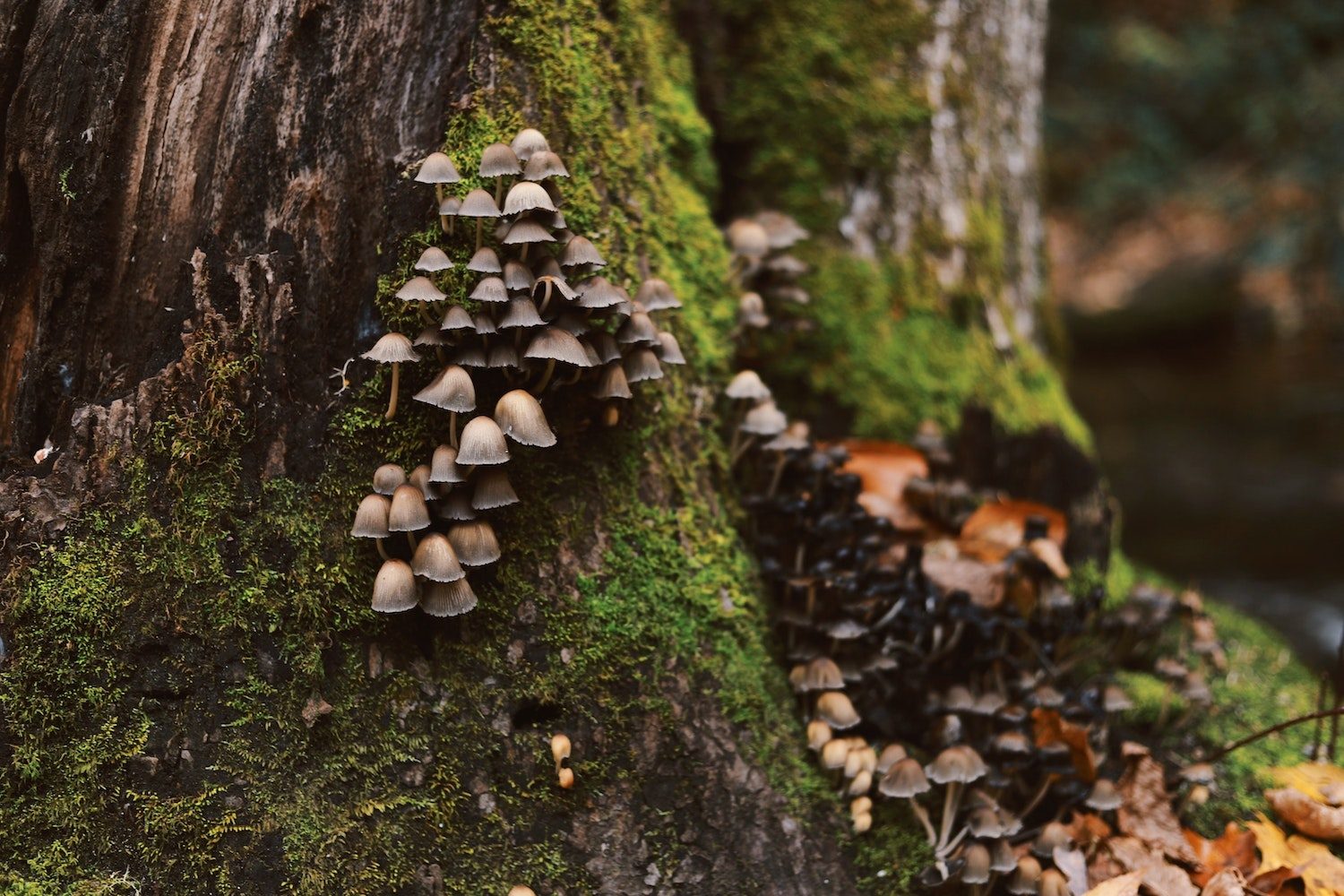
Trekkers who have explored Vietnam’s national forests at least once are often surprised by the diversity of these ecosystems. From flowers to fruits, you may encounter plants you have never seen before. Discovering unfamiliar wild flowers and fruits can bring new experiences and knowledge. Some may be edible, but there are also plants you absolutely should not eat, especially mushrooms. This article helps you better understand poisonous mushrooms you may encounter on a trekking route.
Destroying angel mushroom
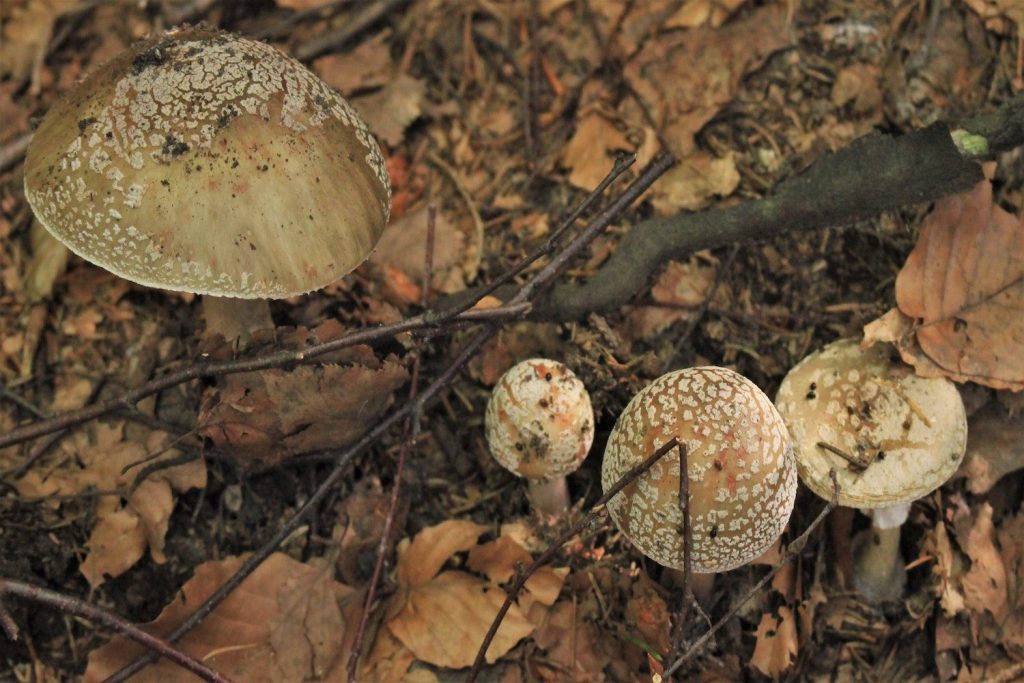
This mushroom has the scientific name Amanita verna. You may see it growing in clusters or alone. In Vietnam, this white-capped mushroom can be found in northern provinces such as Ha Giang, Tuyen Quang, Thai Nguyen, Yen Bai, Bac Kan and Phu Tho.
Destroying angel mushroom
Photo by: Lucie Hošová
It has a white cap with a smooth, glossy surface. When young, the cap is round and egg-shaped, tightly attached to the stem. When mature, the cap becomes flat with a diameter of about 5 to 10 cm. In old specimens, the cap edge may curve downward. The destroying angel mushroom has a mild fragrance.
Because this mushroom looks quite similar to edible mushrooms, it is easy to mistake. Trekkers should equip themselves with careful knowledge before entering national forests.
White conical poisonous mushroom
Similar to the mushroom above, the white conical poisonous mushroom has a comparable appearance and toxicity. It often grows in clusters or alone on the forest floor.

White conical poisonous mushroom
Photo by: Tramanhfood
This species has a white cap with a smooth, glossy surface. When young, the cap is round and egg-shaped, with curved edges attached tightly to the stem. When mature, the cap is usually conical with a diameter of about 4 to 10 cm. Another identifying feature for trekkers is its very unpleasant smell.
Gray-brown fibrecap mushroom
The gray-brown fibrecap mushroom can cause poisoning when eaten due to the toxin muscarine. Its cap ranges from cone-shaped to bell-shaped, with a pointed top and fibers from yellow to brown spreading from the top of the cap down to the edge.

Gray-brown fibrecap mushroom
By: Trâm Anh Food
When old, the cap edge splits into separate rays. With these recognizable features, trekkers are less likely to confuse this mushroom with edible varieties.
Green-spored parasol mushroom
This mushroom may grow in clusters or alone in grasslands, cornfields and some natural areas with loose, humus-rich soil. The cap surface has thin dirty-brown scales that become denser toward the center. The gills are white when young, then turn pale green or grayish green when old, with the green color becoming clearer as the mushroom ages.

Green-spored parasol mushroom
By: Topplus.vn
If you accidentally eat this mushroom, it may cause digestive disorders such as abdominal pain, nausea and diarrhea. This poisonous mushroom can be fatal due to dehydration, electrolyte imbalance and complications with other chronic conditions. Trekkers should learn carefully before choosing any wild forest fruit or plant as food.
Pale black poisonous mushroom
This mushroom is also called the dark green mushroom or nấm bừu in Vietnamese. The fruiting body is often dark green or olive green. It usually grows alone or in clusters on forest ground or grassland. This is an extremely poisonous mushroom; just 30 g can be enough to kill an adult.

Pale black poisonous mushroom
By: topplus.vn
Red poisonous mushroom

Red poisonous mushroom
By: Wikipedia
The red poisonous mushroom is also known as the fly agaric because it can be used as a fly poison. You can recognize it fairly easily by its bright red or orange-red color. However, the color may fade after rain. It has white scales and a diameter of 10 to 15 cm. The stem and ring are white or yellow, the base is bulbous and the flesh is white with no special smell. Despite its eye-catching appearance, its toxins are certainly not to be underestimated.
Dark green poisonous mushroom
This species grows alone or in clusters on forest soil and lowland areas from April to November, but often develops strongly in summer. It contains amanitin and phalloidin, two extremely toxic substances. Eating even a small corner can lead to death.

Dark green poisonous mushroom
By: ydhvn.com
Poisoning symptoms appear 5 to 12 hours after ingestion, including vomiting, severe abdominal cramps, bloody stool and fatty degeneration of the liver. If you accidentally eat this mushroom, make sure you receive emergency care in time.
White egg-shaped poisonous mushroom
There have been many severe poisoning cases in mountainous and midland regions caused by eating this mushroom.

White egg-shaped poisonous mushroom
Photo by: Tikibook
When poisoned, you may feel nausea, vomiting, diarrhea, dehydration, electrolyte imbalance and irregular heartbeat. It can lead to death if emergency treatment is not provided promptly.
Entoloma sinuatum
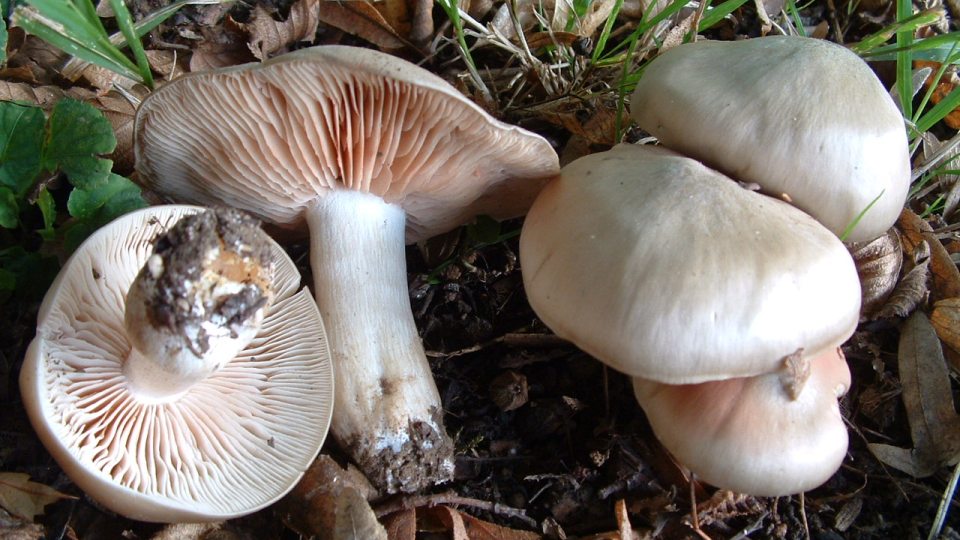
The cap is cone-shaped, the flesh is thick and the stem is cylindrical, with the area near the stem appearing white to brown. Entoloma sinuatum often grows on forest soil and forest edges from late spring to early autumn.
Entoloma sinuatum mushroom
Photo by: antropocene.it
Trekkers should remember that this is an extremely poisonous mushroom and must never be used as food. If poisoned, symptoms appear quickly, from impaired consciousness and abdominal pain to electrolyte imbalance, low blood pressure and rapid progression into coma.
Bell-shaped mottlegill mushroom
Although small in size, this mushroom has a fairly high toxin concentration. Eating a large amount may cause hallucinations and even death.

Bell-shaped mottlegill mushroom
Photo by: ydhvn.com
The cap is bell-shaped, with a diameter of 2 to 3.5 cm. The gills are veined, turning from green to black. The mushroom has thin, chamois-colored flesh. The odorless bell-shaped mottlegill contains hallucinogenic toxins. You may find it growing on decomposed manure in grasslands from January to September each year.
Suggested related reading: