5 Useful Trekking Tips Not Everyone Knows
A love of travel is something many people share, but not everyone is suited to adventure travel. This is especially true for trekking, an activity that requires patience and endurance from those who take part. The following trekking tips will help you prepare well and start your journey with confidence.
Trekking tip 1: Prepare before the trip
Because trekking often involves routes that are not clearly defined, it carries many potential risks. Without preparation and practical trekking experience, it is easy to feel discouraged or confused along the way:
Plan carefully
The more challenging your destination is, the more detailed your plan should be. At minimum, you need to understand basic information about where you are going, such as route length, terrain, and existing hazards. From there, build a detailed schedule for each part of the day. For example: how many kilometers your group will cover per day, what you will eat during breaks and main meals, and how you will handle insects at night. Trekking experience shows that a detailed, logical plan helps reduce anxiety and gives you more peace of mind throughout the journey.
Prepare thoroughly
Trekking is not a spontaneous travel style where you simply feel like going and grab a backpack. Trekking requires a longer preparation process so you are ready to face new challenges, conquer them, and push your limits. That is why you should take the preparation stage seriously.
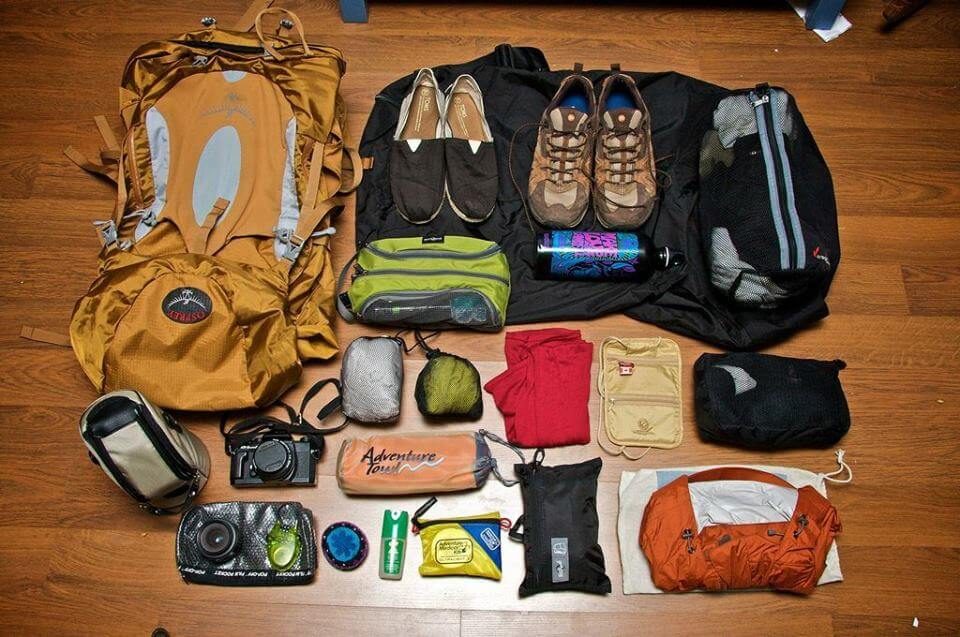
With years of trekking experience, we recommend paying special attention to these items: a trekking backpack with a waist belt and multiple compartments, a jacket, trekking shoes, first-aid supplies, a proper raincoat, fever-reducing, pain-relief, and anti-inflammatory medicine, insect repellent, food, and drinking water. If someone in your group knows how to pitch a tent, bring a stable tent. Otherwise, each person should prepare a sleeping bag or portable hammock.
Trekking tip 2: Trekking in the forest
This is the main part of the trip and also the most exciting. The following trekking experience tips from those who have gone before will be very useful:
Manage your time wisely
In one day, you have only about 10 to 11 ideal hours for moving along your route. The best trekking tip is to wake up early in the morning, have breakfast, and start your journey around 6 a.m. At that time, the landscape is still covered in morning mist, and your energy and spirit are usually at their freshest.
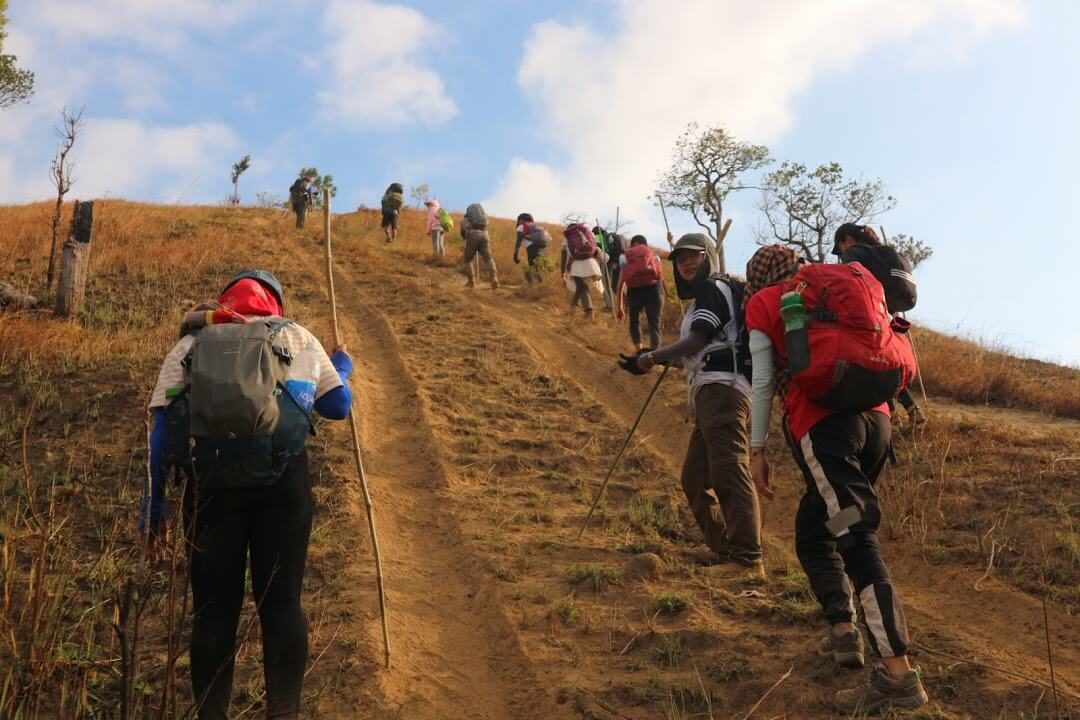
Toward the end of the day, you should stop around 4 p.m. to look for a place to sleep overnight. According to trekking experience, the sun is only beginning to set then, and the shade is still comfortable. The group should use the remaining daylight to find an open forest clearing or a spot near a dry stream to pitch tents or prepare dinner. The forest gets dark faster than you might imagine.
Choose comfortable clothing
Trekking clothing plays a major role in comfort during activity. Because you will be walking continuously and facing potential hazards, trekking outfits should be loose enough to move in, breathable, quick to absorb sweat, and made from fast-drying fabric. When wearing them, tuck your shirt into your pants to reduce unnecessary snagging. Experienced trekkers often keep a long-sleeved thermal layer and a windbreaker in their backpacks. These two items are light and compact but very useful when the weather changes.
Stay safe in the rainy season
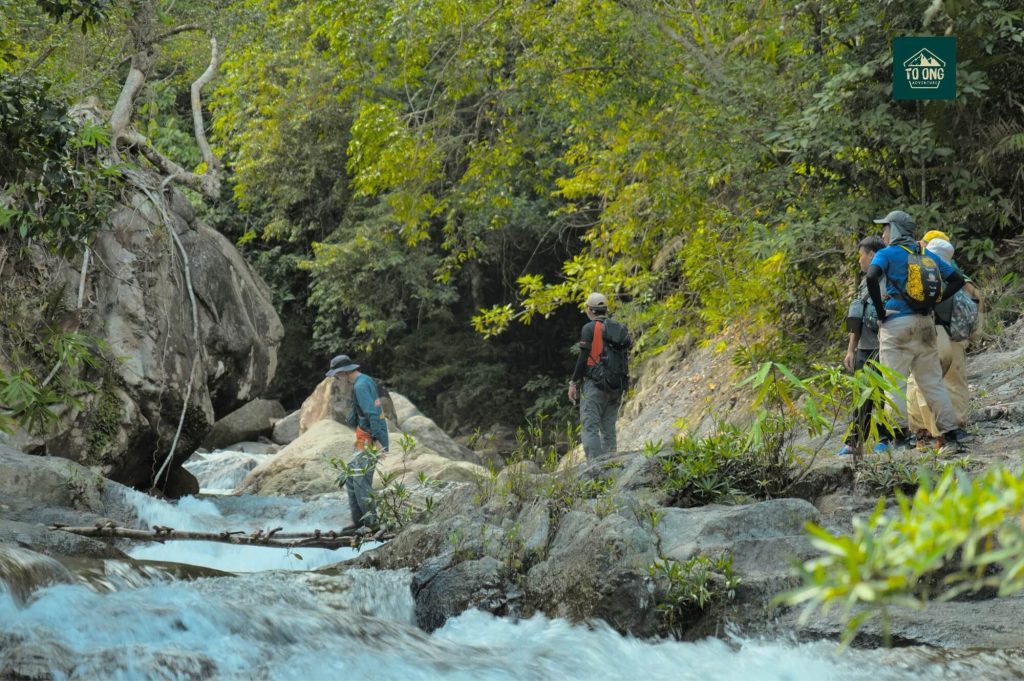
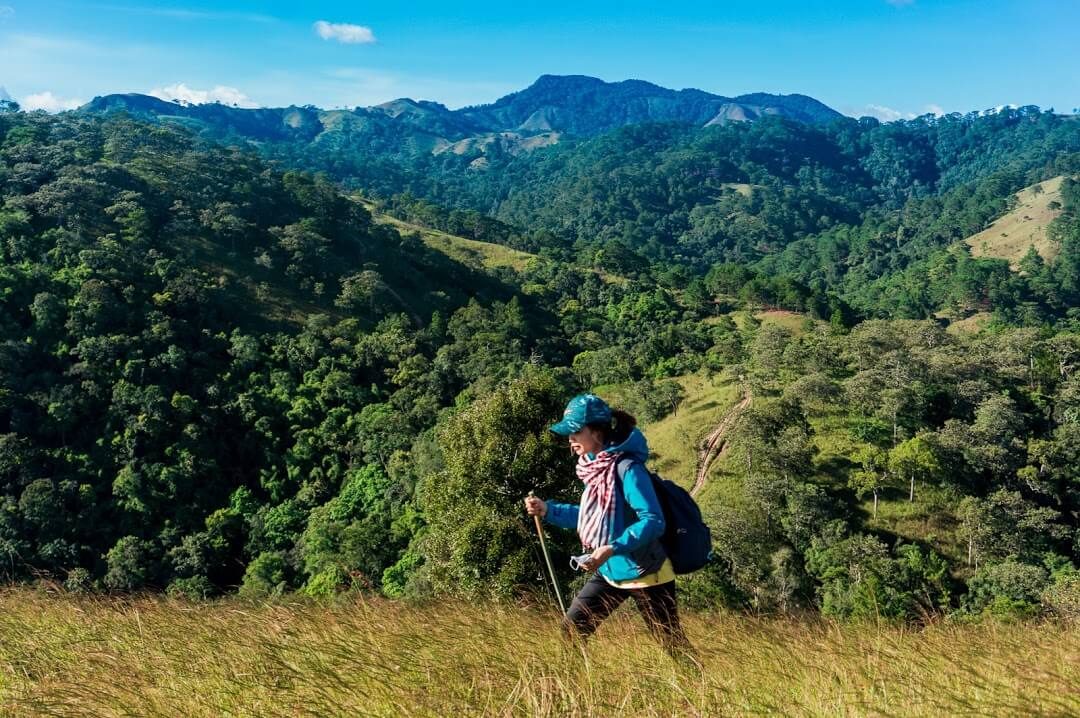
Even a short passing shower can make the forest much wetter and harder to walk through. Even so, some trekkers still want to conquer old-growth forests in the rainy season, so they have accumulated plenty of rainy-season trekking experience. One of their top tips is to use a walking stick, sometimes called a “Truong Son stick.”
Together with non-slip shoe soles, a sturdy stick gives you support and helps prevent dangerous slips. In the rainy season, the forest is often soaked, and a stick can also help you move through wet foliage without getting drenched. If you decide to trek during the rainy season, people with plenty of trekking experience recommend keeping two or three raincoats in your backpack so you can use them when needed and replace one if it tears.
Trekking tip 3: Food and drink during the trip
To avoid unexpected problems, never taste leaves or unknown fruits in the forest. They may be poisonous and could cause allergies, unconsciousness, or even death. Besides ready-to-eat foods, the food you bring should be cooked thoroughly. If possible, drink boiled warm water to be easier on your stomach.
According to trekking experience, you should have a filling breakfast. If your body does not regain energy after a long night, you may feel sluggish and tired the next day. Each time you stop to rest, have a snack so your body feels consistently fueled and you do not get hungry too quickly. While moving, filtered water is the best choice. Soft drinks or carbonated drinks will only make you thirstier and more dehydrated.
Trekking tip 4: Keeping insects and wildlife away
Forests are home to many insects and wild animals. In the rainy season especially, insects reproduce and grow more rapidly.
For leeches:
Leeches are very common in forests. They can crawl into shoes or sleeves and stay there for a long time. Although they are not usually highly dangerous, they are a fear for many backpackers. A useful trekking tip is to apply medicated balm to your socks before walking. Leeches dislike the smell and are less likely to crawl up your legs. If a leech does get on you, stay calm and apply heat near the spot where it is attached. Then put balm on the area where it is clinging, and it should release more easily. If you do not have balm, you can use chili salt on it.

For horseflies:
A horsefly bite that leaves its mouthpart in the skin may cause itching for a very long time. If you are bitten by a horsefly in the forest, do not rush to pull it out. Use a lighter to warm the back of the insect. When exposed to high heat, it will withdraw its mouthpart from your skin.
For snakes:
Trekking experience shows that forests have many types of snakes, including unfamiliar species you may never have seen before. By sight alone, you cannot know whether a snake is venomous. If you are bitten by a snake, tightly wrap a tourniquet above the bite on your arm or leg to slow the spread of venom. If the bite is in a place where a tourniquet cannot be applied, you may need to cut the wound at the bite site to let blood flow out and help expel venom from the body.
Trekking tip 5: Tips especially for women
Recently, all-women trekking tours have become increasingly common. The stereotype that adventure sports are only for men has been broken. Learning a few trekking tips for women can help you have a better trip.
Women’s bodies can be more sensitive than men’s, making it easier to catch a chill or develop a mild fever. Before the trip, choose modest, long-sleeved clothing and fitted pants made from soft, stretchy, absorbent fabric. At night, wrap a thin scarf around your neck for extra protection.
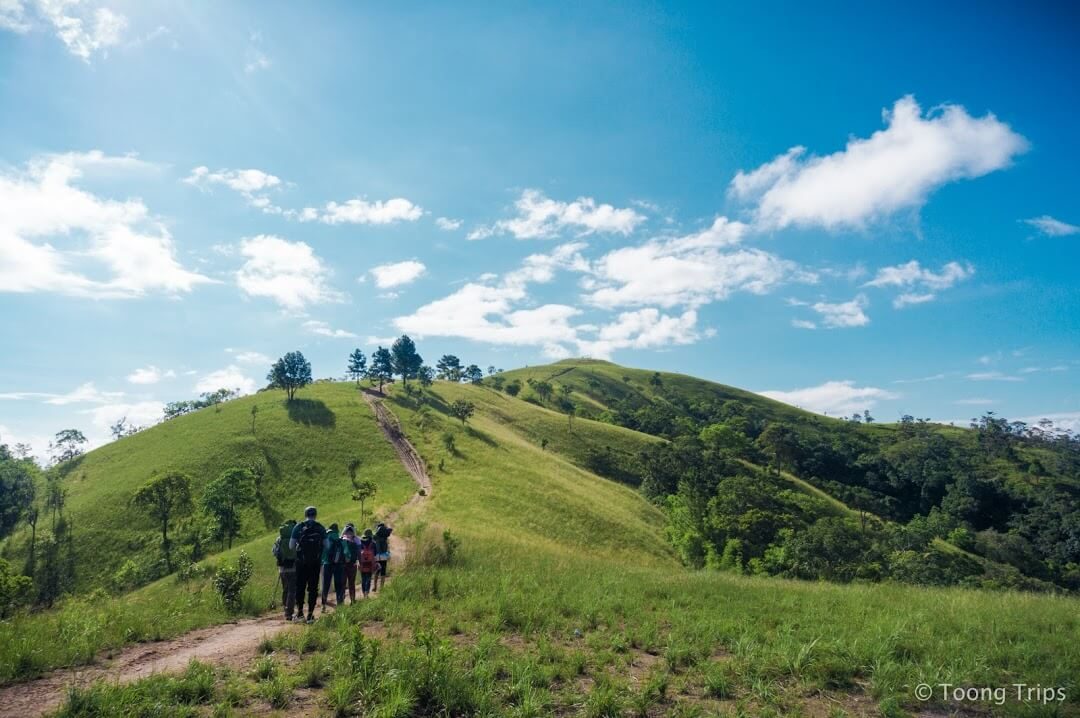
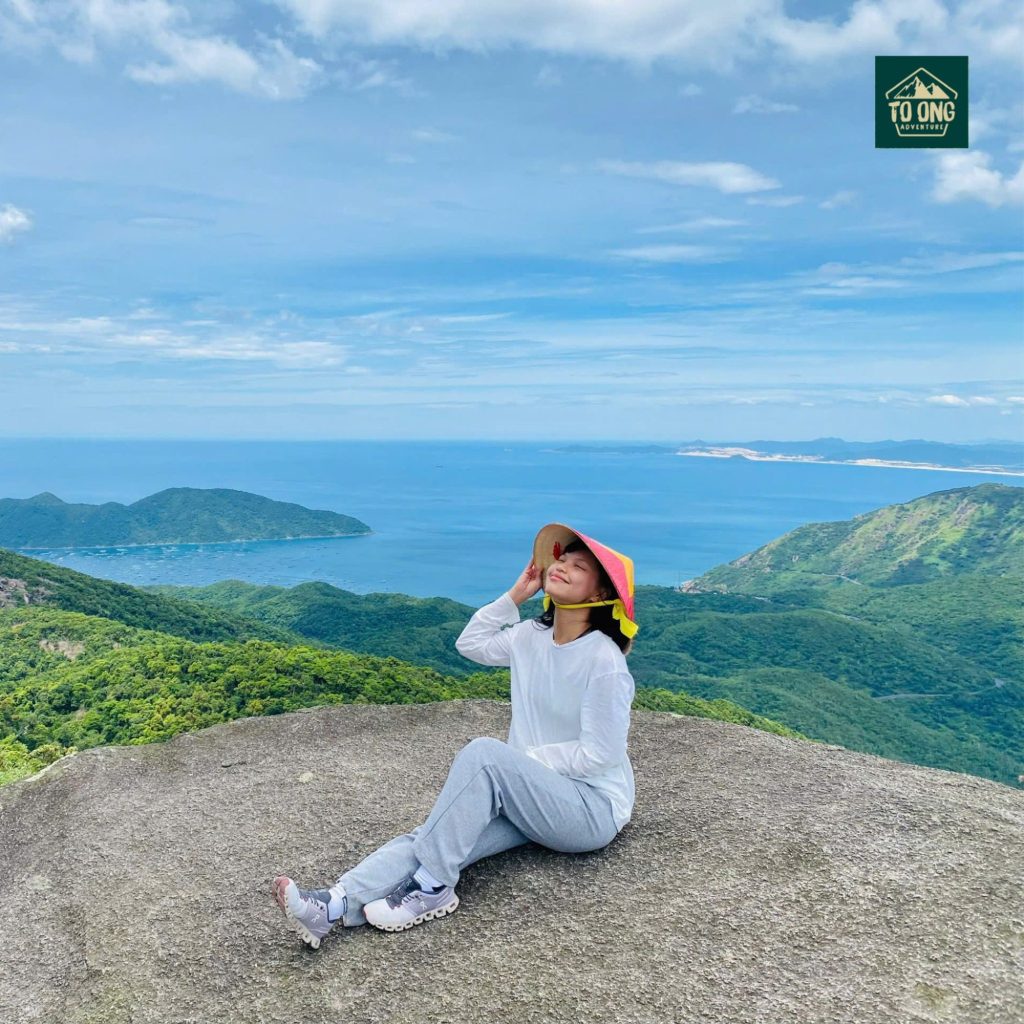
Another trekking tip you should not overlook is applying sunscreen, whether the weather looks sunny or not, to reduce the negative effects of sunlight on your skin. A wide-brimmed hat is also an excellent choice.
A trekking trip should be researched and prepared well in advance. If you are getting ready for a journey into something new, we hope the trekking tips above will be useful. Wishing you joyful and peaceful trips on every route.