Trekking Backpacks: Your Companion on Every Trail
A trekking backpack is designed to help you get through challenging routes when trekking. Today’s market offers a wide range of backpacks with different styles, sizes, and specifications. So how do you find the perfect backpack for a great trekking trip? To Ong Adventure will help you understand trekking backpacks and how to choose the best trekking backpack for your journey.
Do you really need a specialized trekking backpack?
Before a trip, people usually buy and prepare the necessary gear. For reasons such as budget or the belief that any backpack is fine as long as it holds things, many people use a regular backpack they already own instead of choosing a trekking backpack. For short trips with little walking and no difficult terrain such as steep slopes or rocky mountains, a regular backpack is not too bad as long as it carries your essentials.
However, once you are committed to a true long-distance trek with mountain passes, streams, and rough terrain, an ordinary backpack can make the trip miserable. Regular backpacks often focus more on appearance than on carrying heavy loads over long distances. The clearest problem is that they do not sit firmly on your back, and the items inside can shift around. A trekking backpack is designed to hug your back for comfortable movement, with external straps and a structure that centers the load to save energy. That is how backpack travelers can carry huge packs from place to place with surprising ease.
Key advantages of a trekking backpack
The points To Ong is about to share are not features every backpack has. Each backpack is made for a different purpose. Depending on your intended use and the needs of your trip, choose one with the right functions. Choosing a trekking backpack with more features than necessary is fine, but missing key features can make the journey harder.
Smart design that saves energy
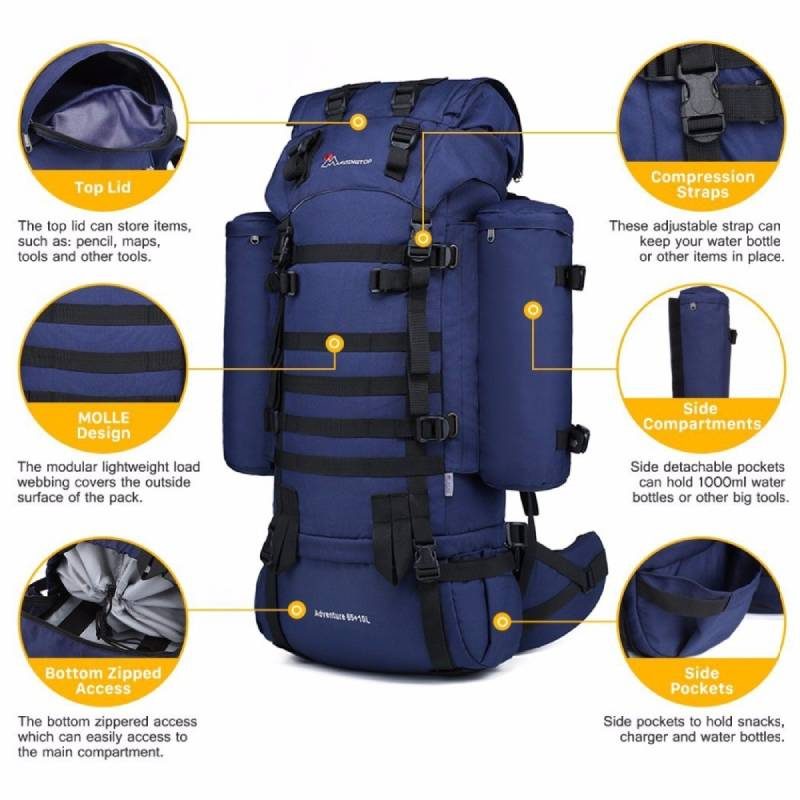
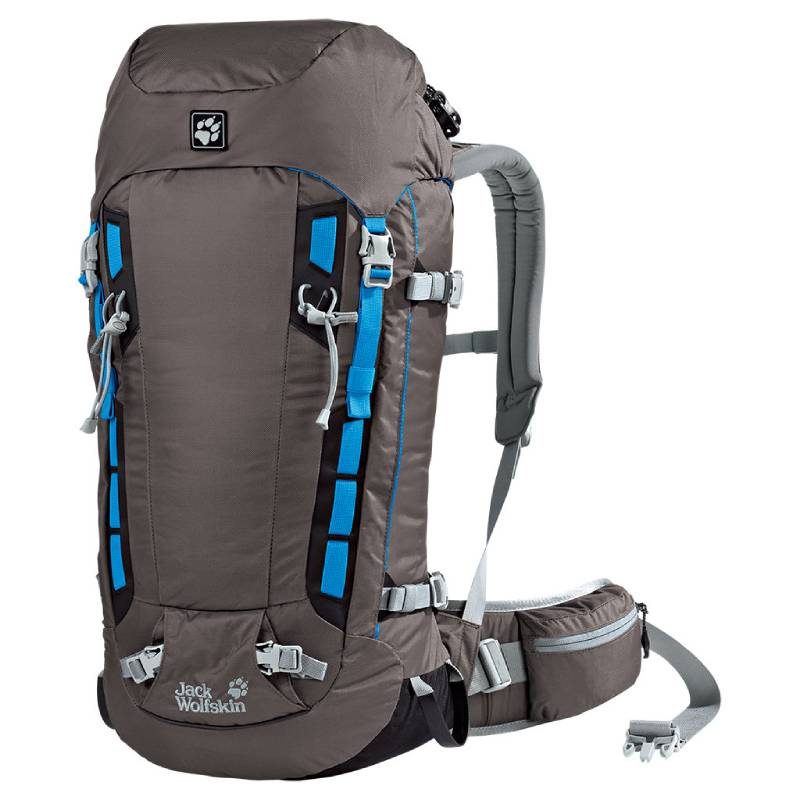
Have you ever noticed that after carrying a regular square backpack all day, it starts to feel much heavier and leaves your shoulders aching? That is because when you wear it, the full weight of everything inside presses down on your shoulders. When climbing slopes or stairs, it can feel as if someone is pulling your shoulders down. A trekking backpack has a longer, narrower shape that hugs the back. This not only reduces snagging but also transfers weight down to the hips, while the shoulder straps mainly keep the pack from falling backward.
Back padding and frame
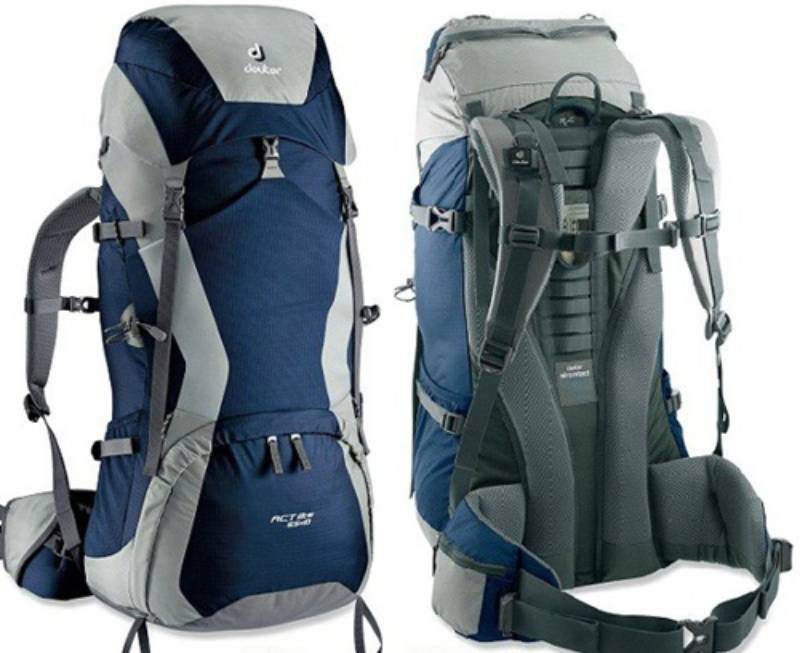
A trekking backpack stays close to you for most of a long route, so back padding is important. The padding is usually soft and breathable because the back sweats a lot. If sweat remains trapped for too long, it can cause heat rash in hot climates or chills in cold weather. When choosing a trekking backpack, it is best to try it on and check whether anything presses uncomfortably into your back. Next is the frame, which shapes the pack and keeps the contents from shifting. Rigid frames are often removable for easier cleaning and storage.
Straps, belts, and webbing
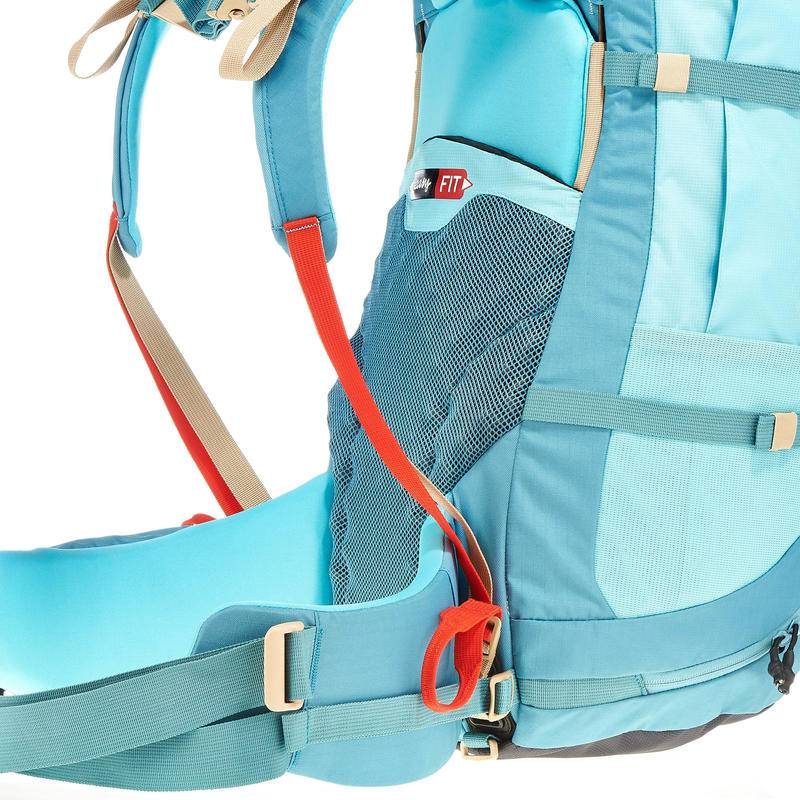
The trekking backpacks you often see on survival shows or on the shoulders of backpack travelers look firm and compact, right? Then you look at the backpack in your hands and wonder why it has so many messy, useless straps. Actually, every strap on a trekking backpack has a purpose. Besides the two main straps, the shoulder straps and hip belt, whose functions are easy to understand, there are also load-lifter straps and external lash points for carrying bulky items outside. To Ong will explain why you may need to tie gear outside the pack below.
Storage compartments
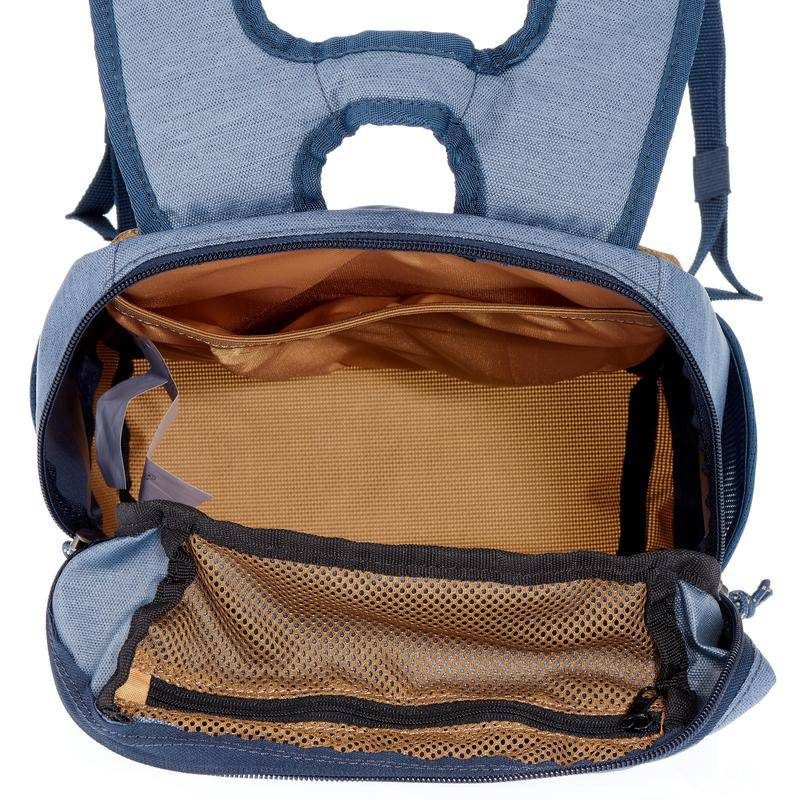
Trekking backpacks often keep interior details simple to maximize space, while adding small external pockets for frequently used items such as a lighter, knife, compass, and more. One compartment is often mistaken for a laptop sleeve. It can hold a laptop, but its intended purpose is for a hydration bladder. If you look closely, a trekking backpack usually has a small opening on the top where you can route the drinking tube from the bladder inside. That way, when you are thirsty, you only need to sip from the tube instead of stopping, taking out a bottle, and potentially creating waste that harms the environment.
How to choose a trekking backpack that fits your back
A trekking backpack sits on your back, so when choosing one, you need to determine the pack size based on your torso length. It is best to have someone help you measure. First, identify the lower back point by feeling both sides of your hips. The protruding pelvic bone marks the lower back point. The upper back point is the neck vertebra level with your shoulders. Once you know your torso size, you can start choosing a trekking backpack.
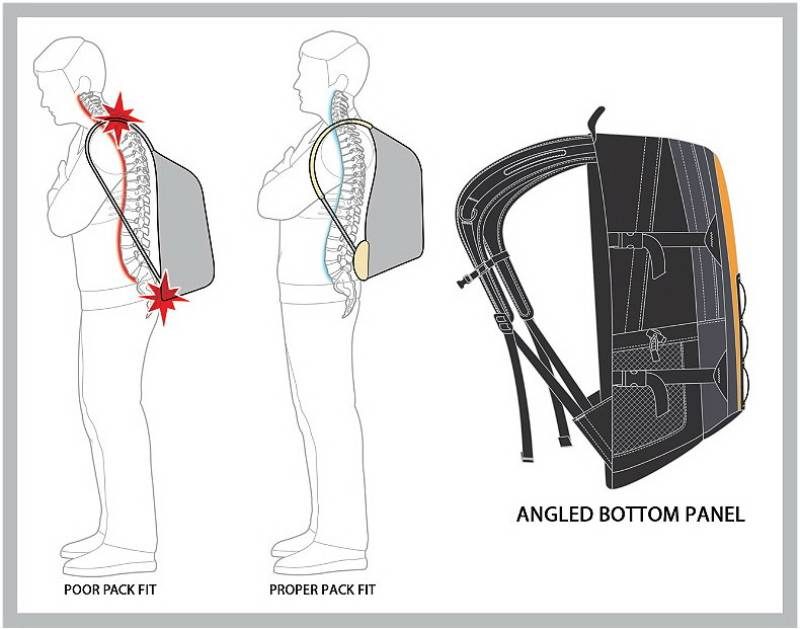
How do you know if a backpack fits your back?
The only way to know whether a backpack fits your torso is to try it on. Place the lower edge of the hip belt at your lower back point, tighten the load-support straps, and fasten the belt so it no longer shifts. Put on the shoulder straps of the trekking backpack. If the lower edge of the shoulder strap attachment, where the strap is sewn to the pack, sits close to your upper back point, that backpack is for you.
Today, there are trekking backpacks with adjustable torso lengths, but fixed-size designs are generally more stable and sturdy. That is why To Ong still suggests choosing a backpack that fits you closely.
How big should your backpack be?
Let us clarify one point: the torso size discussed above is not the same as backpack capacity. A smaller torso size does not necessarily mean less storage, and vice versa. A trekking backpack usually has a fairly large capacity measured in liters. Backpack size depends on how far and how long you are traveling. The longer and farther the trip, the larger your pack should be.
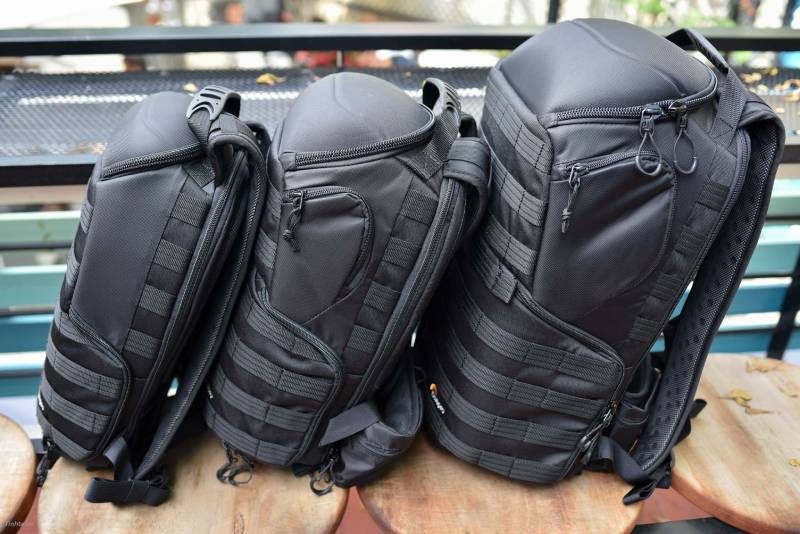
Backpacks range from 20 liters to more than 80 liters. If you do not trek often and your trips are short, around 1 to 2 days, a 20- to 50-liter pack is enough, depending on whether your service provider supports tents and food. For longer trips of around 3 or 4 days, a trekking backpack of about 60 to 70 liters is suitable. If your feet love long routes and you often travel for many days, it is best to choose 80 liters or more so you can carry enough gear for your journey.
How to use a trekking backpack for the best effect
No matter how large a trekking backpack is, if you pack it poorly, it may hold less than a smaller backpack packed properly.
Start with the compartments inside the backpack. Place food, drinking water, and cooking equipment in the center so these heavier items do not strain your shoulders. Around them, use clothing and towels to keep items from shifting and to stabilize the pack.
Use the small outer pockets for items you will need often throughout the journey. Trekking backpacks usually have many small pockets like this. Useful items for these pockets include insect repellent, medicated oil, a knife, flashlight, lighter, and especially snacks such as chocolate for quick energy when you are tired.
Remember the external straps mentioned above? They help you tie bulky items to the outside of the backpack. Blankets and folded tents can be rolled up and strapped to the bottom because they are only used at night. Placing them underneath can also create a cushion in case the pack drops, helping protect items inside. On the top of the trekking backpack , keep your raincoat and hat. This is the easiest place to reach if sudden rain comes and you need them quickly.
The final step after choosing the right trekking backpack
Once you have found the trekking backpack you like, it is time to pack. Come with To Ong Adventure, and you only need to put your personal items and camera in your backpack. We will take care of tents, food, and transport. Our specialists will accompany you through the challenges along the way.
Life is short. Let’s go.