Essential Trekking Gear for a Safer Adventure
For a long time, trekking has been a popular form of travel around the world. In Vietnam, however, the term is still relatively new and has only become more commonly discussed in recent years. To have a safe and complete trekking trip, trekking groups need to prepare the necessary trekking gear carefully. If you are not sure what to bring, refer to this guide from Tổ Ong.
Specialized hiking clothing – the most important trekking gear
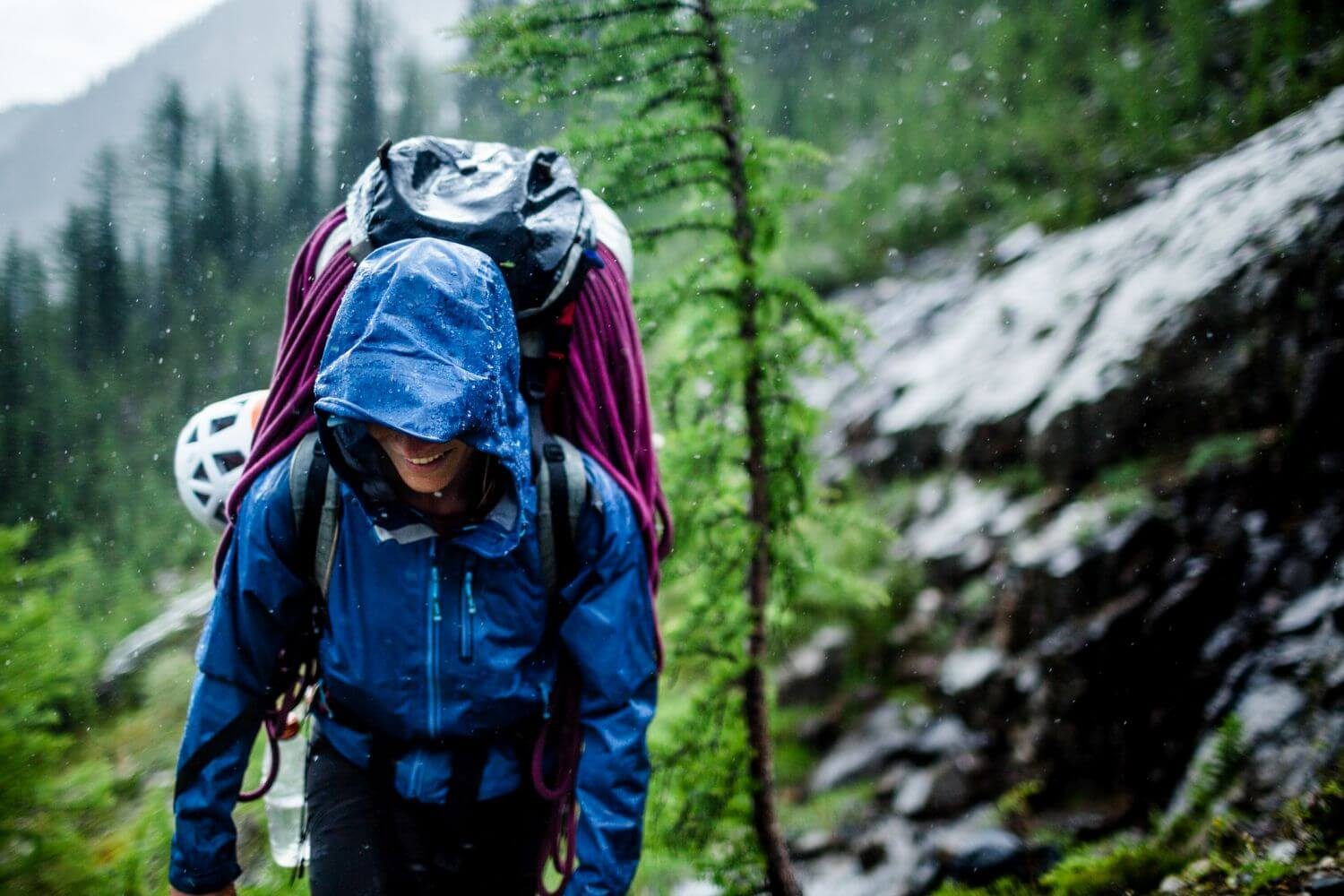
You should be clear from the start that this trip is not simply a casual walk or sightseeing outing. Every preparation needs to be thoughtful and careful. A specialized hiking outfit with protective functions is an essential item for trekking. You should also consider a climbing helmet to protect your head from wind, dust, and possible impacts.
However, if you cannot invest in expensive specialized trekking clothing, you can still wear your everyday clothes. Ideally, choose breathable, quick-drying sportswear with enough stretch for continuous movement. Forest and mountain environments are damp and can attract insects and reptiles. To avoid leeches, snakes, or mosquito bites, prepare fitted pants and long-sleeved shirts.
Sleeping gear for nights in the forest
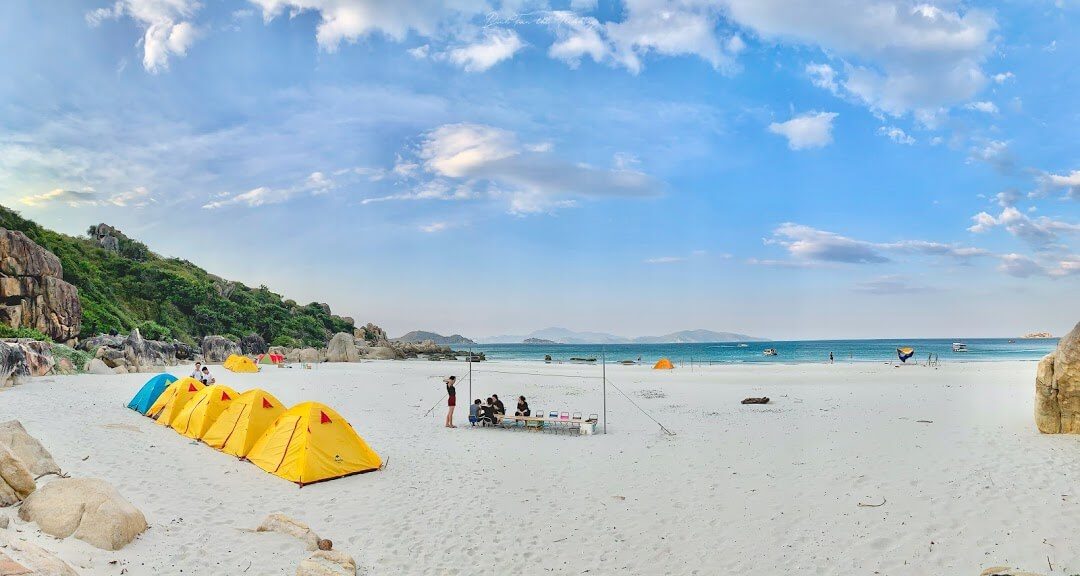
You will likely spend at least one night in the forest or in an open, remote campsite. Temperatures in forests and mountains can drop significantly at night. At the same time, animal and insect sounds may make it hard to rest. That is why you need to prepare trekking gear that helps you sleep as well as possible. Without deep sleep to recover your energy, you may feel tired and lose enthusiasm when the new day begins.
Trekking groups often choose overnight camping. Although several people can share one tent, carrying heavy, bulky tents on the trail is inconvenient, especially on long routes. To save space and reduce fatigue, you can buy a sleeping bag or portable hammock from reputable trekking gear stores. If you bring a personal sleeping bag, choose thick fabric with good warmth. If you bring a hammock, prepare an extra thin blanket for warmth.
Navigation tools: maps and compass – trekking gear for safety
For the safest experience, your trekking trip should be led by local people or run through a tour with experienced guides. If you want to explore a risky route on your own, a map or compass is essential trekking gear. These tools help you stay in control of the trip, know where you have been, and understand where to go next. If you do not have professional navigation tools, you can mark the places you have passed with your own signs to avoid walking in circles and wasting time.
A large backpack – essential trekking gear
All personal items, food, drinks, and gear to prepare for trekking are usually packed into one backpack. Choose a large trekking backpack with multiple compartments so you can organize your belongings and access them easily when needed. A trekking backpack may weigh around 5-10kg. For that reason, choose a pack with support straps. These help carry the weight and prevent pressure from concentrating in one spot, which can cause back pain and shoulder fatigue.
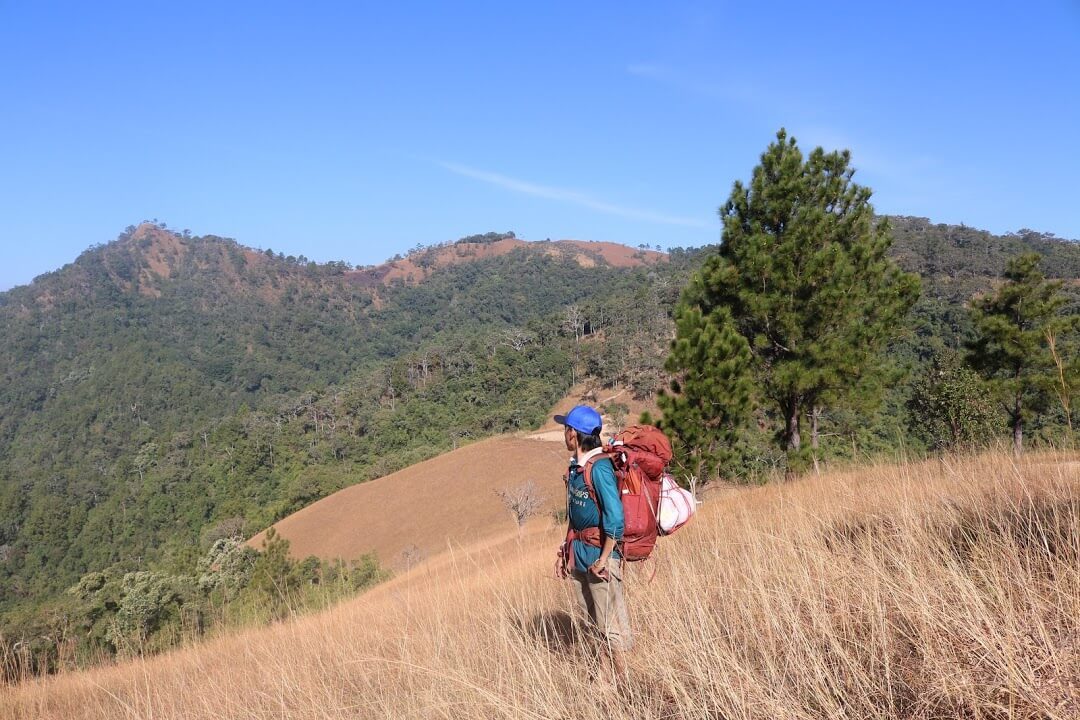
A backpack is trekking gear you should not go without, and we recommend investing in a trusted brand. When choosing one, pay attention to the material and waterproof or water-resistant design. A good backpack protects your belongings throughout a multi-day journey. If you do not want to buy one, you can rent a trekking backpack from reputable outdoor shops or travel service providers.
First aid kit and medicine
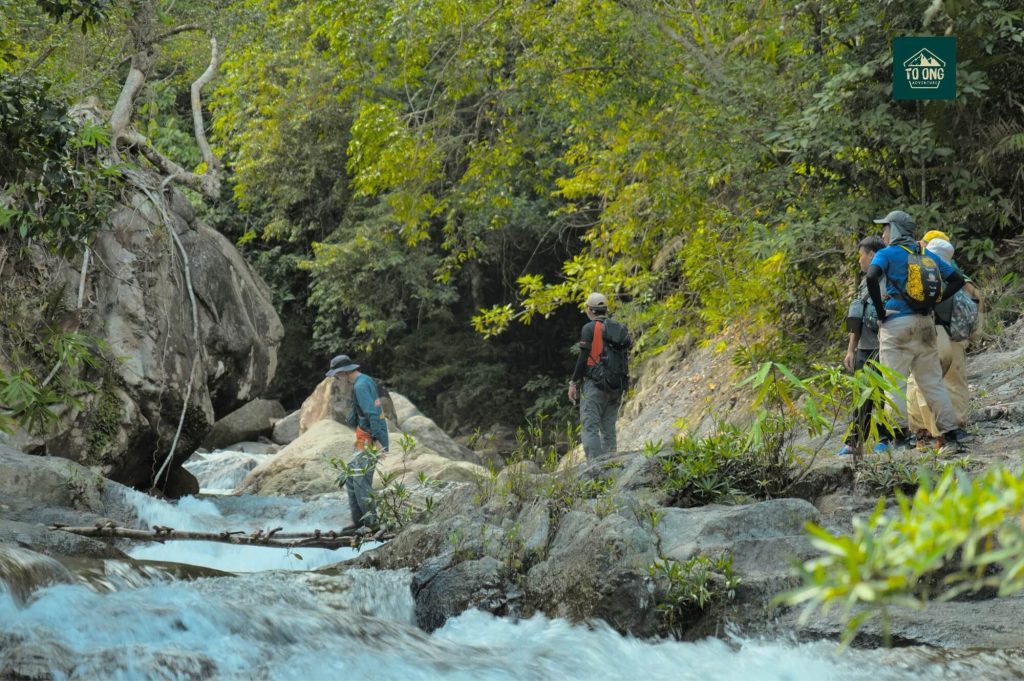
When you continuously cross large forests, climb steep rocky slopes, or move through fast-flowing streams, falls and minor scrapes can happen. Useful trekking gear at this point includes cotton, bandages, medical tape, gauze, alcohol wipes, and antiseptic. You should also bring specific medicines such as fever reducers, headache medicine, anti-inflammatory medicine, and pain relievers. To avoid attracting mosquitoes and harmful insects, bring mosquito repellent cream and insect spray. If possible, support your health and resistance with vitamin C tablets or ready-to-drink ginseng sachets. You can use them with meals and before going to bed.
Electronic devices
Your phone is probably something you always carry. In urgent situations, such as getting separated from the group, you can call other members for help. If your family can contact you, they will also feel much more at ease. However, smartphones can lose signal in forests or high mountains, so consider bringing another phone with better reception as a backup.
A camera also helps you save memorable moments from the trek. A camera is trekking gear many experienced trekkers like to bring. The smaller and lighter the camera, the easier it is to store in your backpack. Keep it fixed in one compartment so it does not collide with hard objects inside the pack while you move.
Bright flashlight
You never know what might happen during a night in the forest. Add a headlamp or handheld flashlight to your trekking gear list. When you can clearly see your surroundings, you will feel safer and more in control. When buying a light, pay attention to the manufacturer’s specifications such as brightness, weight, battery life, durability, and beam distance.
Trekking poles
If you are preparing trekking gear and forget trekking poles, that would be a real missed opportunity. Because you will move a lot across difficult mountain terrain, your feet can easily become sore and tired under heavy pressure. A pole helps share the load and supports your knees and feet.
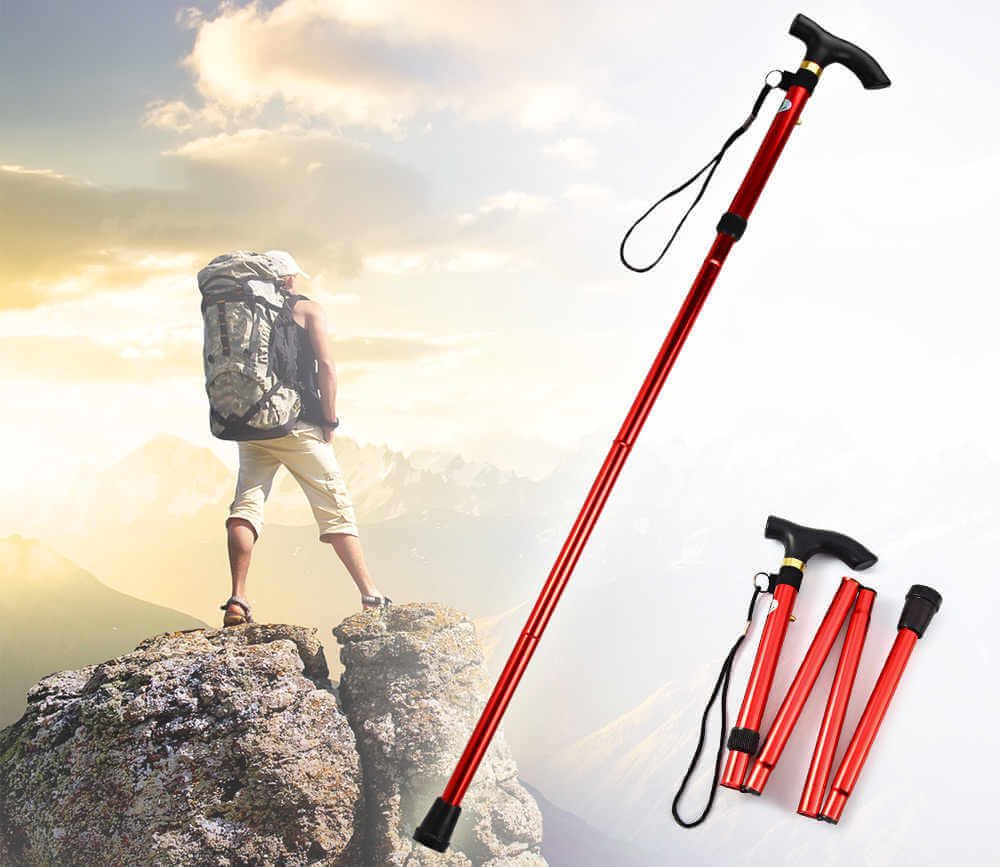
A pole can also reduce the risk of slipping in wet, rainy conditions and make each step steadier and safer. If the trail has many obstacles or large puddles, you can use the pole to test the ground before stepping down. Trekking poles have now become essential trekking gear with many smart designs that can be adjusted in length and stored compactly in a backpack.
Rope
If you need to set up a tent overnight, rope is trekking gear that should be in your backpack. It helps secure the tent so it stays firm and does not collapse in strong wind or rain. In addition, when your group crosses mountains or strong streams, rope can be used to connect members and help prevent people from getting lost or injured.
If you need to climb steep slopes or near-vertical mountain sections, rope can be the best trekking gear for moving faster. Let the strongest and most skilled person in the group anchor the rope to a secure point, then the group can take turns following the rope to overcome the difficult section.
Although trekking involves risks, it is a travel style loved by many young adventurers. To have a safer trip and bring home many memories, do not forget to prepare the most necessary trekking gear for yourself. We wish you joyful journeys and many interesting discoveries.