Trekking: Essential Knowledge Every Beginner Should Know
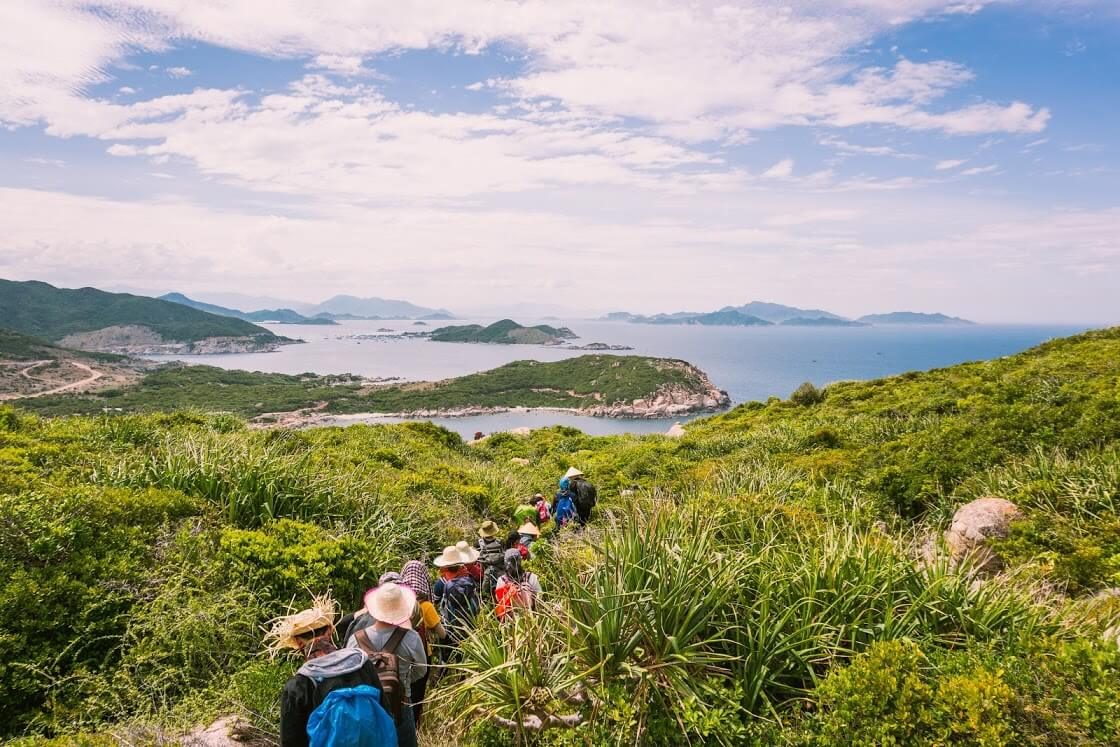
Recently, the concept of trekking has become more familiar among young people, especially those who love adventure travel. However, not everyone understands trekking travel correctly and fully, which can lead to danger on the journey. Do not worry too much. The article below from Tổ Ong will equip you with the most complete basic knowledge about trekking.
General overview of trekking
What is trekking?
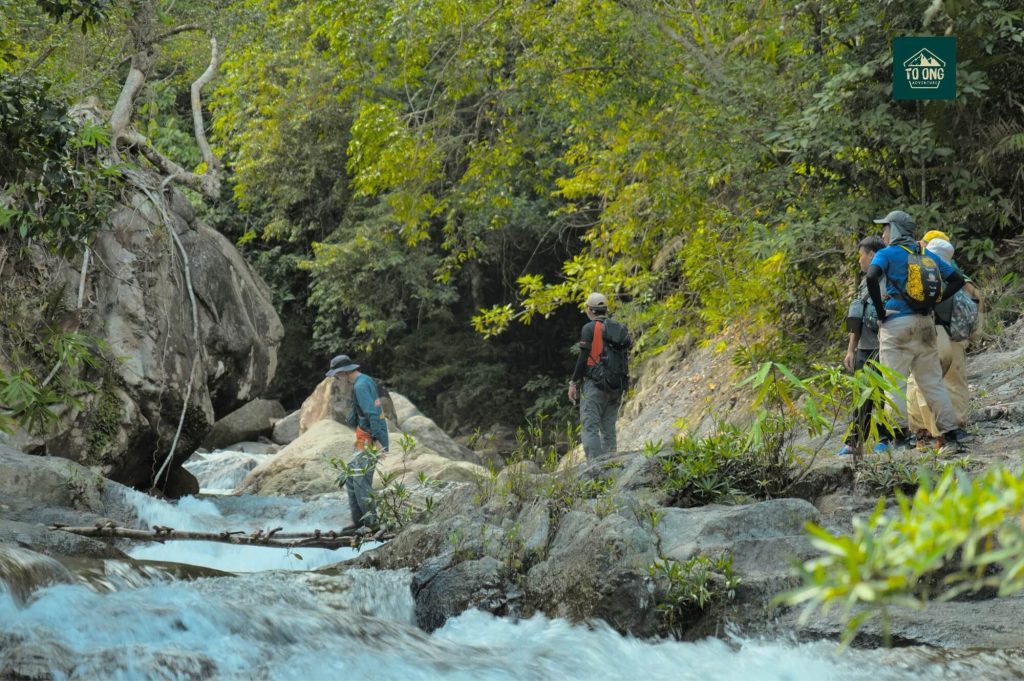
Trekking describes long-distance walking or independently conquering forests and mountains over several days. In other words, participants move from one place to another using only their own feet. These are outdoor travel, recreation, and leisure activities. Most terrain chosen for a trekking trip is mountainous, steep, difficult, and rugged.
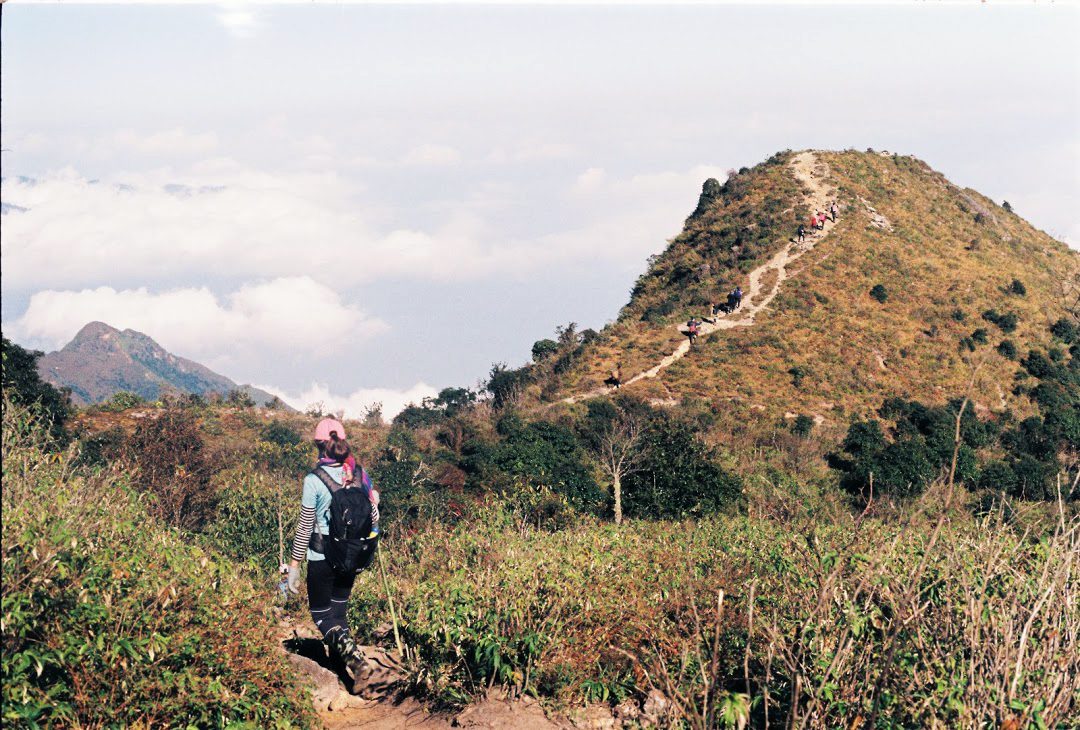
Length of each trekking trip
The common nature of every trekking journey is freedom of experience, so there is no fixed distance limit for trekkers. Participants choose how long or short their trip will be. They also decide how adventurous the route they take should be. This form of adventure travel not only satisfies the desire to explore nature, but also helps people conquer their own inner limits.
A new feeling on trekking routes
Trekking brings a sense of openness and freedom that is completely different from traveling by motorbike or car. Trekkers must walk through countless difficulties, face risks, and reach the destination they have chosen. The desire to conquer nature pushes you forward and helps you leave worries behind.
Trekking vs hiking
Similarities:
First, in terms of similarities, trekking and hiking are both forms of adventure travel that involve exploring a long route and passing through different places. Both require persistence, endurance, and determination. Today, trekking and hiking are popular trends among young travelers who love exploration.
Differences:
Trekking is clearly different from hiking, and without understanding the distinction, it is easy to confuse them:
- Trekking is much more adventurous than hiking. The routes trekkers pass through may involve unpredictable dangers. Trekking terrain is often far from city centers, deep in remote, rugged forests and mountains.

- By contrast, hiking usually follows long trails or paved roads. The terrain and challenges are more clearly defined in advance.
What to prepare for trekking
Because you may need to walk and climb for several days, trekking participants should bring only the items that are truly necessary for the trip:
A backpack with personal essentials
Luggage for a long journey must be prepared carefully and completely. For journeys that value freedom like trekking, your backpack should be as light as possible. To carry more personal items, a large-capacity, multi-compartment trekking backpack with good support is an optimal choice. When wearing this type of supported backpack, pressure on your shoulders is reduced significantly. Choosing the right backpack gives you a useful companion for the journey.
Food and mineral water
Your upcoming journey will certainly consume a lot of energy. Food and water are essential for surviving several days outdoors. Food for trekking should be easy to eat and digest so your body does not feel heavy or uncomfortable, such as bread, dry rations, hamburgers, and instant cereals. You should drink mineral water instead of soft drinks because walking or climbing makes you sweat continuously and lose water. Staying hydrated helps maintain endurance throughout your journey.
Trekking shoes
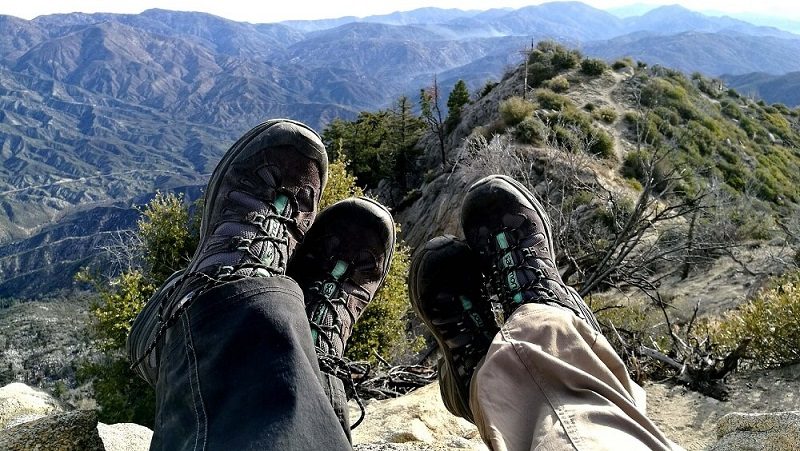
Only a proper pair of trekking shoes can help you complete your trip more smoothly. Your shoes should be water-resistant and provide good grip on wet soil and muddy terrain. They should also be light enough to help you move comfortably for several days.
Other essential items
Besides the three most important items above, do not forget to prepare other essentials such as cash, personal documents, a map, flashlight, sleeping bag, sunscreen, bandages, and insect repellent. Basic medicines such as antiseptic, pain relievers, and fever reducers can also be very helpful if something happens along the way.
The most famous trekking routes in Vietnam
If you are a true adventure traveler, you should not miss these attractive destinations:
Ta Nang – Phan Dung
If someone asks about one of Vietnam’s most iconic and beautiful trekking routes, the answer is surely Ta Nang – Phan Dung, with more than 60 km crossing Lam Dong, Ninh Thuan, and Binh Thuan provinces. In any season, travelers visiting Ta Nang – Phan Dung can be captivated by its wild, enchanting beauty. Ta Nang is beautiful, but its many surrounding risks can also make you want to give up. Perhaps that is why it attracts so many people to experience it.
Fansipan
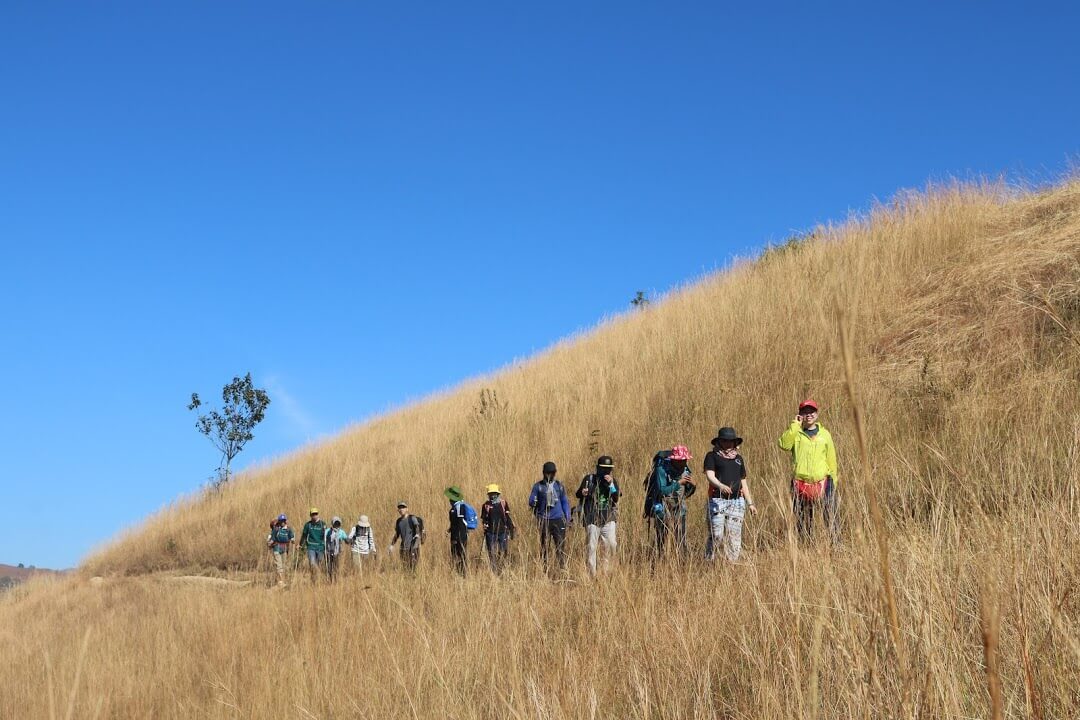
At 3,143 m, Fansipan has become a trekking route in Vietnam loved by many young travelers. Visitors can conquer the “Roof of Indochina” through three different routes, usually taking about 2-3 days to reach the summit. Although you must cross steep rocky slopes and remote forests, trekking Fansipan still brings a fresh and captivating feeling to adventure travelers.
8 Nang Tien
True to the name “8 fairies,” travelers experience trekking through eight of Ninh Thuan’s most beautiful beaches and set foot in Cam Ranh, Khanh Hoa. Here, you will be drawn in by the charming beauty of coral reefs beneath the water. At the end of the journey, you can pick grapes from a vineyard yourself to bring home as gifts for family and friends.
Lung Cung Peak
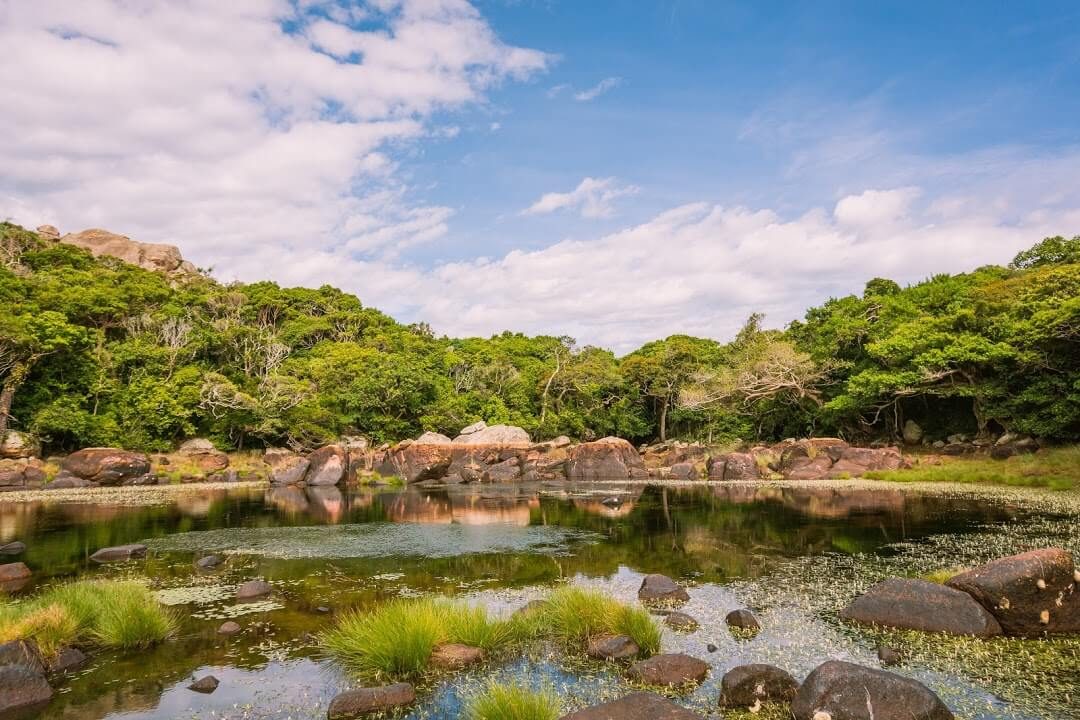
Lung Cung Peak is a famous trekking destination in Northern Vietnam. Travelers spend 2 days and 1 night eating and sleeping in the forest, living with birdsong and the loud calls of insects while witnessing a magnificent primary forest landscape. Crossing 2,925 m of challenging forest trail to touch the summit of Lung Cung is truly a priceless experience.
Vietnam’s Easternmost Point
A challenging journey to Vietnam’s Easternmost Point will be an unforgettable memory. Located in Van Phong Bay in Khanh Hoa Province, this destination attracts young travelers with its distinctive beauty. Trekking over 8 km of rugged coastal terrain under intense 38-40 degree heat is a major challenge. In return, you will be immersed in vast, open nature and surprised by your own strength and ability.
Important notes for trekking
Before making a detailed plan for your trip, research the weather carefully at your chosen destination. If the area is affected by storms, snow, strong winds, or rain, you should not begin the trekking journey. The length of the route should also match the overall fitness level of the group. Do not choose a route that is beyond your capacity.
Before starting any trekking stage, you should eat a light meal. Walking for a long time on an empty stomach can make you lose energy, get stomach pain, or even faint. If you are thirsty, take small sips of water so your body can absorb it better. Avoid drinking too much water at once, which can shock the body. For safety, each person should have a sturdy trekking pole to support each step and help if they slip.
Trekking is an exciting experience that everyone should try at least once. However, think carefully and prepare thoroughly before your trip. If possible, join a guided tour with people who know the route and can support your safety.