Best Fabrics for a Hiking Trip
Adventure travel is drawing more attention from young travelers, especially hiking trips to new landscapes. To have the best possible trip, you need suitable clothing. Fabric is one of the key factors that determines whether your hiking outfit performs well. So which fabrics are the best fit for hiking? Let’s find out with To Ong.
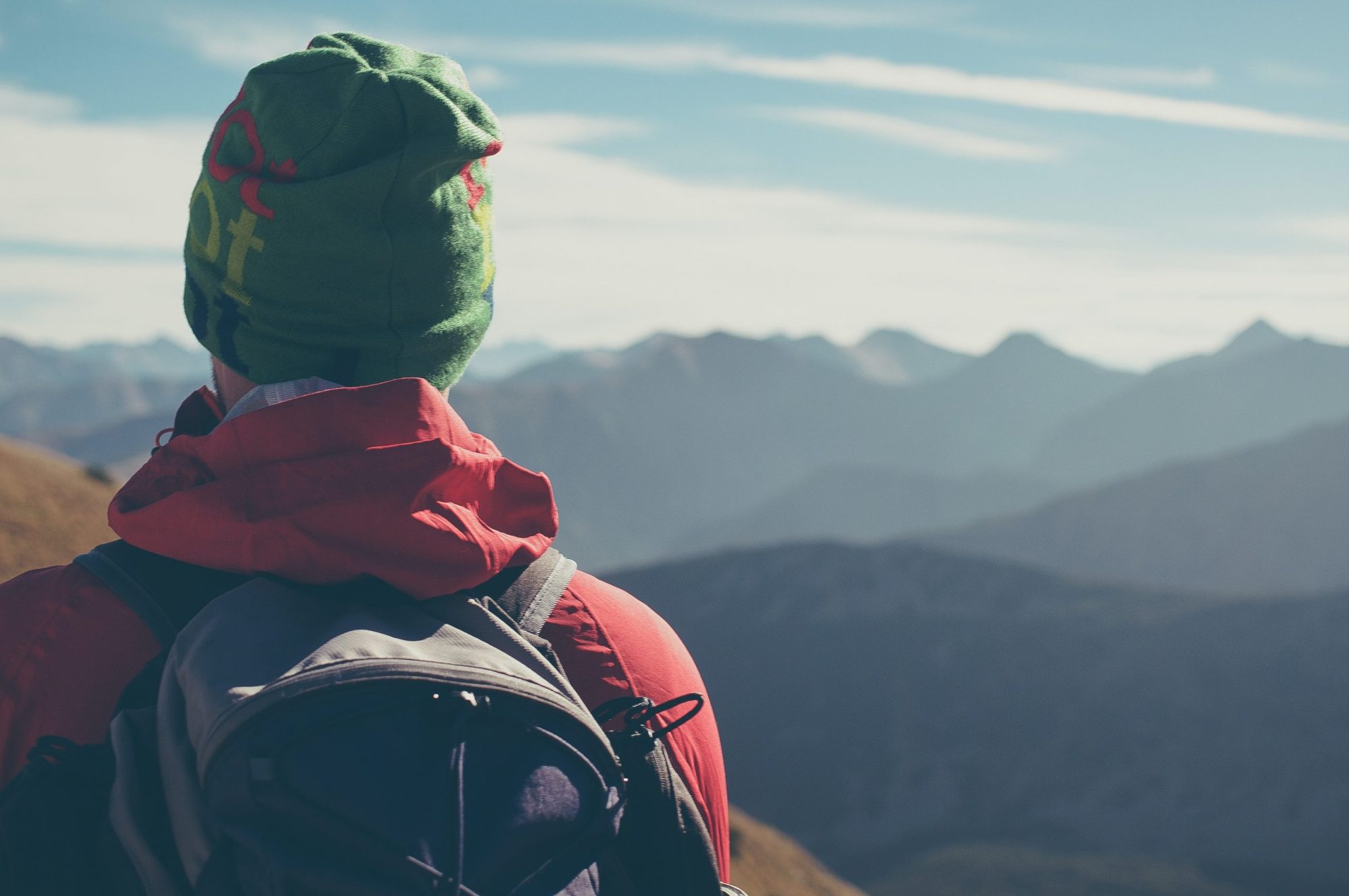
Fabric plays an important role in hiking clothing (Photo by Michał Parzuchowski on Unsplash)
1. Essential features of hiking clothing
Moisture absorption:
For trips that require plenty of movement, sweating is unavoidable. Whether the weather is hot or cold, your sweat glands still work to release toxins and maintain a stable body temperature. If your shirt does not absorb sweat, your body can stay damp, making it easier to catch a chill. Sweat mixed with dust also creates an ideal environment for bacteria and fungi. A shirt with good moisture-wicking ability helps keep you dry and comfortable. Sweat pulled to the outer surface of the shirt also dries faster. If you wear multiple layers, the moisture-wicking layer is usually the one closest to your skin.
Good stretch:
Tight clothing without stretch can limit your range of motion and restrict blood circulation. That is why hiking clothes need good elasticity, allowing your arms and legs to move freely.
Insulation:
When hiking in a climate very different from where you live, your body may experience temperature shock. A well-insulated layer helps balance body heat by creating a barrier from outside temperatures.
Water and wind resistance:
Sudden rain can arrive before you have time to find shelter, and wind can make the cold from wet clothing feel even harsher. A good outer layer with water and wind resistance is essential in those moments. Polyester is commonly used for this type of jacket because it behaves somewhat like plastic. The surface is tightly woven to prevent water from passing through the fabric, and it dries easily. Of course, this type of jacket cannot fully replace a raincoat.
UV protection
UV rays can damage human skin. Long exposure can cause burns and, in worse cases, skin cancer. Sunscreen alone is not enough; you also need clothing with good sun protection. That means tightly woven fabrics that include UV-protective properties.
2. Suitable fabrics for hiking clothing
In general, fabrics are divided into three groups based on origin: natural fibers, synthetic fibers, and blended fibers.
Cotton:
Most people have heard of cotton. This natural fiber is woven from the cotton plant. Because of its natural properties, cotton is breathable and well suited to tropical, humid climates. It also absorbs sweat well and is gentle on the skin. Cotton is often blended with other fibers to improve durability. Its disadvantages are that it wrinkles easily and catches fire easily. Based on these qualities, cotton works well as a layer worn directly against the body on a hiking trip.
Cotton fabric comes from the cotton plant (Photo by Moonstarious Project on Unsplash)
Wool:
With excellent warmth retention, wool is a strong option for winter hiking clothing. Like other natural fabrics, wool is breathable, stretchy, and good at thermal and electrical insulation. Premium wool can also be flame resistant. Its downside is that it takes longer to dry. If wool clothing stays damp for too long, it can develop odors and mold. Wool fibers can also unravel, and once one thread loosens, others may follow. There are many wool options, from budget-friendly types to premium varieties. Cashmere is among the most expensive, while synthetic wool is usually the cheapest.
Wool clothing helps retain warmth effectively (Photo by Storiès on Unsplash)
Bamboo:
Another natural-origin fabric on this list is bamboo fabric. Cellulose powder is combined with other additives to create a material that is friendly to both people and the environment. Bamboo fabric stands out for its softness, strong antibacterial properties, and good sweat absorption. Its drawbacks are that it is relatively expensive, wrinkles easily, and can shrink when washed. This fabric is often used for light exercise clothing.
Bamboo fabric is light and breathable (Photo by Annie Spratt on Unsplash)
Spandex (Elastane)
Spandex is a synthetic fiber with very high elasticity, so it is often used in fitted clothing. It is commonly blended into other materials. Depending on the ratio and weave, spandex fabric may stretch two ways or four ways. With fairly good breathability, sweat absorption, and stretch, it is a practical fabric for hikers. Its downside is a shorter lifespan because it often has to endure strong stretching forces.
Polyester:
Polyester is derived from petroleum and can be considered a type of plastic. That gives a hint about its key characteristics. Its biggest advantage is excellent water resistance. Because it repels water well, polyester dries very quickly. It also resists dirt and is easy to clean. Unlike natural fabrics, polyester clothing does not wrinkle easily, takes dye well, holds color, and is highly durable. It also absorbs UVB rays 3-4 times better than natural fabrics. In many ways, it is one of the most suitable fabrics for hikers.Its disadvantages are that it can feel hot, less breathable, and catches fire easily. If the fabric is 100% polyester, it can build up static electricity and may irritate some people’s skin. For that reason, polyester is often blended with cotton to create poly cotton.
3. Fabric tips for hikers
No fabric is perfect. Each one has its own strengths and weaknesses. That is why manufacturers blend fibers to combine their advantages. Some blended fabrics you can consider include: Cotton spandex: With 92-95% cotton and 5-8% spandex, this fabric becomes more durable, less wrinkly, stretchy, and excellent at absorbing sweat. It is also known as cotton cool-touch knit fabric. Poly spandex: This fabric is made with around 95% polyester and 5% spandex. It is also called cool-touch knit fabric. As the name suggests, the surface can feel slightly cool to the touch. In reality, it is still synthetic, so it only feels cool when the weather is not too hot. To improve comfort, it is woven fairly thin and can stretch two ways or four ways depending on the weave. Poly cotton: A common ratio is 20% polyester and 80% cotton. The higher the cotton content, the more breathable the fabric. The higher the polyester content, the smoother the surface tends to feel. Hikers should choose clothing based on the conditions of the area they will hike in: stable or unpredictable weather, cold or hot climate, forest trail or open grassy hills with little shade. Above are several common fabrics along with their pros and cons. Through the information To Ong has shared, we hope you can find the right material for your hiking trip.
Suggested reading:
Explore the Ta Lien Son Trekking Tour with To Ong Adventure
Ta Lien Son: a fairytale forest above the clouds in Northwest Vietnam
A simple guide to setting up a tent while hiking