A Simple Guide to Pitching a Tent While Hiking
For hikers on multi-day trips, a tent is an essential item. It not only protects you from sun and rain, but also helps keep you warm and safe. However, not everyone knows how to pitch a tent efficiently. In this article, To Ong shares a few tips to help you set up your tent quickly on a hiking trip.

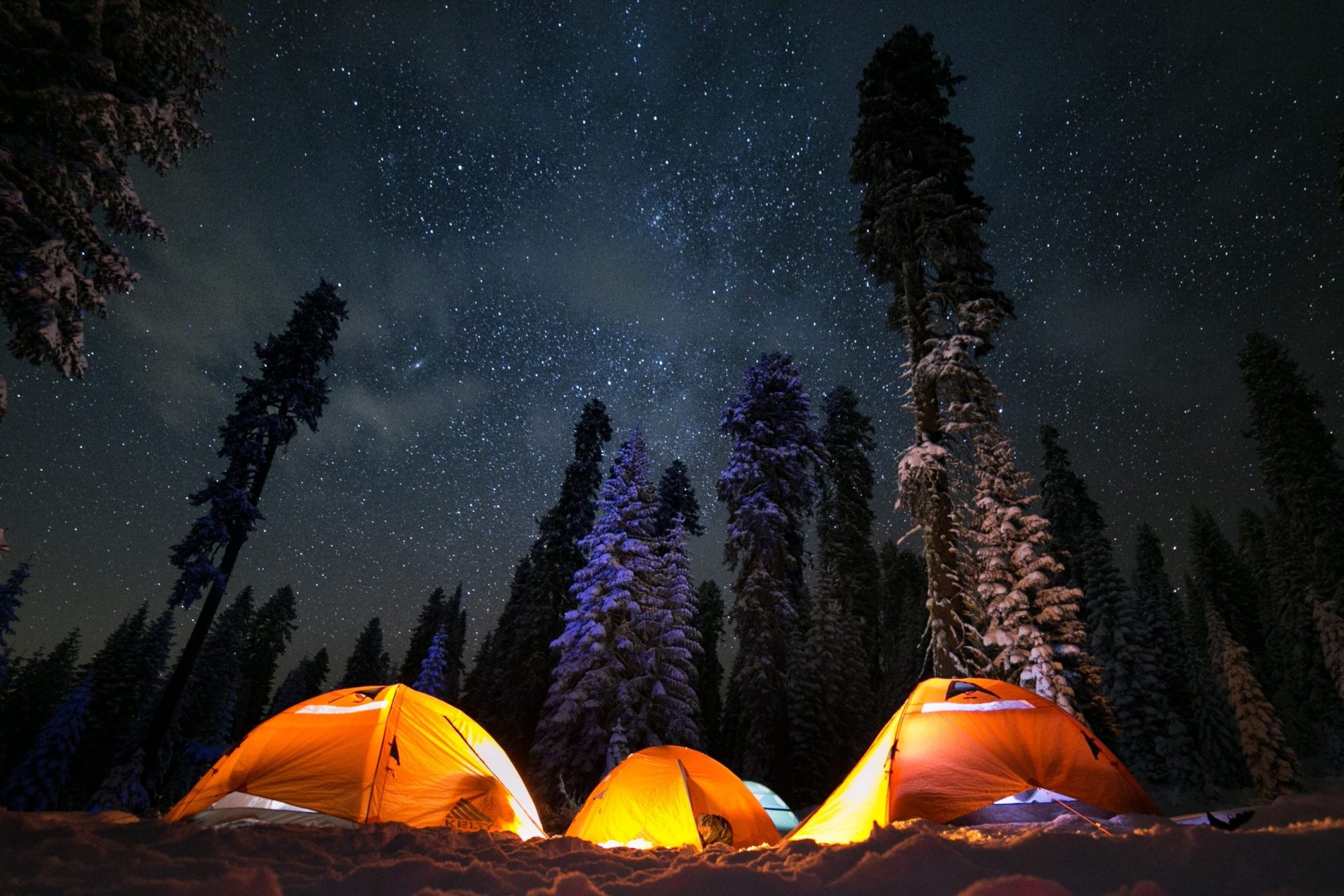
Pitching a tent for a rest stop while hiking (Photo by Dex Ezekiel on Unsplash)
1. How to choose a tent for hiking
Choosing a tent is a bit like choosing clothes for a trip. A good tent is one that meets your needs and suits the conditions at your campsite. There are many types of tents on the market, such as A-frame tents, hammock tents, and bivy-style sleeping tents. Dome tents are among the most popular for outdoor trips because they pack down neatly, offer relatively good capacity, and are easy to set up thanks to their convenient frame system. To choose a suitable tent, hikers should note the following points:
Tent type:
As you know, there are countless hiking tents available. To choose the best one, start with your destination and the conditions you expect there.
Interior space:
How many people will use the tent while hiking? A tent that is too small can feel cramped and uncomfortable. A larger tent feels more comfortable, but it is also heavier. Decide how many people the tent needs to fit so you can buy the right size. The interior should also be large enough for sleeping and basic activities. If you are tall or want extra space, you can choose a tent rated for one more person than the actual group size.
Weight:
Weight is an important factor when choosing a tent. Tents made from heavier materials are often more durable, but you cannot carry an overly heavy tent throughout a hiking trip. On the other hand, a lighter tent may be less durable and have fewer features. You may need to spend more to buy a tent that is both lightweight and high quality.
Material:
Tent fabric should be thick and durable enough to handle different weather conditions. Most tent fabrics are made from nylon or polyester. These materials are lightweight and offer good water resistance. You should also check the denier rating, marked as D. Thicker, more durable, and heavier fabrics have a higher D rating, and the opposite is true for lighter fabrics.
Color:
Tent color also matters for a comfortable hiking trip. A light-colored tent is a good choice because bright colors absorb less heat than dark colors. As a result, the tent will feel less hot on sunny days. Light colors also transmit light better, making the inside feel more spacious.
Extra features:

A tent vestibule helps block rain effectively (Photo by Triston Dunn on Unsplash)
Doors: The door is an important part that connects the space inside and outside the tent. It should close tightly and include mesh to keep insects out. The number of doors has a big impact on comfort. For example, if four people share one tent and there is only one door, moving in and out becomes inconvenient.
Ventilation: When people are inside a tent, body heat warms the air and causes moisture to build up. Because tent fabric is waterproof, even vapor inside may not escape easily. Choose a tent with vents and mesh doors so air can circulate steadily.
Vestibule: Many tents have a vestibule to reduce rain splash or provide a sheltered space for shoes. If you find it useful, you can invest a little more in a tent with a vestibule. Of course, the more features a tent has, the higher the price tends to be.
2. How to pitch a tent:
Identify the tent area:
You should buy an extra groundsheet to protect your tent during a hiking trip. First, spread the groundsheet on the ground to define the area where the tent will be set up. Next, place the bottom of the tent fabric over the groundsheet. Fold the groundsheet so it is slightly smaller than the tent floor. This helps prevent water from collecting on the groundsheet and damaging the tent over time.
Connect the tent poles:
To save space during transport, tent frames are usually divided into smaller pole sections with joints. They are often numbered or marked, so follow those indicators to connect them properly.
Attach the tent to the frame
A typical dome tent has two poles crossing at the top, creating four corners. Use the clips or ties already attached to the tent to secure the fabric to the frame.
Raise the tent frame
Raising the tent is easier with more than one person. If you are alone, you can still do it, but it will be a bit more difficult. Make sure two stakes are firmly fixed before lifting the tent.
Secure the tent corners
Finally, stake the tent into the ground at a 45o angle to help it stay stable even in strong wind.
3. Important notes when pitching a hiking tent:

Pitching a tent near large tree trunks to reduce strong wind (Photo by Cameron Vaughan on Unsplash)
Choose the right campsite:
When pitching a hiking tent, hikers should assess the surrounding environment. The ground should not be covered in vegetation and should be reasonably flat. Low-lying areas often flood during heavy rain, so pitch your tent on a slightly higher area than the surrounding terrain. Next, consider wind direction. The tent should be set up in a sheltered area. You can pitch it near large tree trunks to reduce strong wind, but avoid setting it directly under the canopy because broken branches may be dangerous. Finally, consider water sources. Camping near water is convenient, but you should not pitch your tent too close to rivers or streams. This helps keep you safe and protects natural water sources from pollution.
Follow fire safety rules when camping
Do not light a fire inside the tent. Use a flashlight instead to avoid setting the tent fabric on fire. Outdoor cooking areas should also not be placed too close to the tent. A distance of a few meters, with no dry grass or plants nearby, is safer.

Following fire safety recommendations while camping (Photo by Vadim Sadovski on Unsplash)
Store the tent properly
Before putting the tent into its bag, let the fabric dry, especially after rainy or windy days. Avoid folding the tent the same way every time. Ideally, do not fold it sharply, because repeated creases can wear thin and become damaged sooner. Arrange the tent and groundsheet together, roll them tightly, and place them into the bag. When possible, open the tent door to keep the interior ventilated. This helps your tent stay durable for many future hiking trips.
Above is a simple way to pitch a tent while hiking. You should practice setting up your tent several times at home so your hands get used to the process. If you choose To Ong’s hiking tours, you will not need to worry about choosing or pitching tents. To Ong prepares quality tents for your rest time. In addition, To Ong plans detailed itineraries and arranges rest huts to make the journey less demanding. Let To Ong be your companion on your hiking trips.
Suggested reading:
Explore the Ta Lien Son Trekking Tour at To Ong Adventure
Ta Lien Son – A Fairytale Forest Above the Northwest Clouds
Reach Ky Quan San Summit and Welcome Drifting Clouds