What to Pack for Trekking Ky Quan San
Lao Cai is one of the most famous travel destinations in northern Vietnam. Well-known places in Lao Cai include Sa Pa town, Ham Rong Mountain, Cat Cat Village, and of course the majestic Ky Quan San, Vietnam’s fourth-highest peak. With the cold climate typical of the highlands and its rugged terrain, Ky Quan San is an ideal trekking route for travelers who love movement and exploration. However, you need to prepare the right gear to adapt to the natural conditions here. Let To Ong walk you through what to bring when trekking Ky Quan San.
1. Key features of Ky Quan San
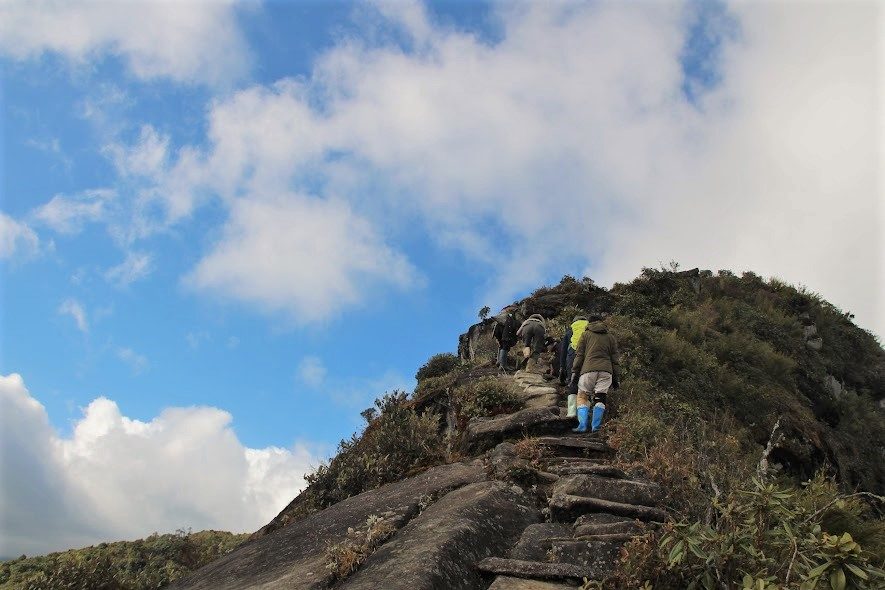
As the old saying goes, “Know yourself and know your opponent, and you will win every battle.” You cannot conquer Ky Quan San without knowing anything about the mountain. Ky Quan San is the highest peak in the mountain range of the same name and forms a natural boundary between Lao Cai and Lai Chau provinces. The summit stands 3,046m above sea level. The route to the mountain stretches 26km, passing dense forest, steep slopes, and exposed rock faces. Because of this, the Ky Quan San trek usually takes 3 days and 4 nights to complete. The suitable trekking season is from around September to April of the following year. By then, the rainy and stormy season has passed, making the trail drier and safer. Note that Ky Quan San is always cold toward the end of the year, especially at night and in the early morning. That is why you should pack gear suited to the weather here.
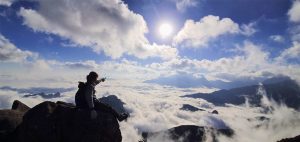
Ky Quan San summit covered in mist
2. What to pack for Ky Quan San
Clothing
Because the journey to this peak lasts 3 days and 4 nights in cold weather, you need to prepare enough warm clothing without overpacking. Not every warm item is suitable. Your body sweats a lot when you are moving continuously. If your clothes are too sealed, sweat cannot escape and you may catch a chill.
Choose several layers instead of one bulky jacket. This allows you to adjust your outfit flexibly according to the weather. If it is not too cold and there is warm sunshine, wear two layers: a base layer that absorbs sweat well because it touches your skin directly, and an outer layer that blocks wind and resists water. If it gets colder, simply add a wool layer between the first two layers.
Trekking clothes should also be neat and fit your body well. Avoid tight jeans because they are uncomfortable for movement. You should also avoid flared or wide-leg pants because they can snag while moving through dense forest.
Footwear
Trekking shoes are extremely important because they stay with you throughout the journey. Choose lightweight, comfortable, water-resistant trekking shoes with anti-slip soles. Do not forget to bring a pair of sandals to use at the resting hut.
Warm accessories
Next are accessories for trekking in the highlands. Your head, ears, neck, hands, and feet contain many important blood vessels, so they should not be exposed to the cold. Hats, scarves, gloves, and socks are essential for keeping these areas warm. Wool is a popular material in cold weather because of its insulating properties. Wool fibers are flexible, elastic, durable, and comfortable to wear, so prioritize wool products when possible.
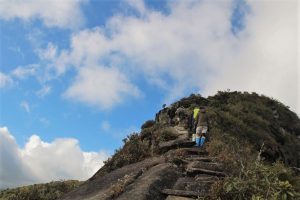
Rugged terrain means compact clothing is essential
Backpack
For multi-day treks, choose a backpack that fits well rather than a handbag. A backpack keeps your hands free and helps your body stay balanced. It also offers more storage space than a handbag. Choose your backpack based on the number of days and expected weather conditions. It should be spacious, have several small compartments, and provide good water resistance.
Food and drinks
For multi-day treks, choose a backpack that fits well rather than a handbag. A backpack keeps your hands free and helps your body stay balanced. It also offers more storage space than a handbag. Choose your backpack based on the number of days and expected weather conditions. It should be spacious, have several small compartments, and provide good water resistance.
Food and drinks
Did you know your body converts food into energy to keep warm? That is why you feel hungry more quickly in cold weather. Especially when trekking in the highlands toward the end of the year, you should prepare enough food and water to replenish your energy along the trail. Dried rations, instant noodles, bread, biscuits, and chocolate are energy-rich and easy to store. Keep food in sturdy plastic boxes rather than plastic bags, and place it in easy-to-reach spots in your backpack. Similarly, cocoa and warm tea should be stored in insulated bottles to warm your body. In case water runs short, you should also prepare a dedicated water filter.
Personal items
Personal items are also essential for your Ky Quan San trek. Backpack space is limited, so reduce both the quantity and size of these items. For example, toothpaste or skincare products should be packed in small travel-size containers to save space.
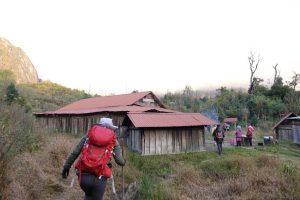
A compact trekking backpack for a lighter journey
First-aid kit
Forest treks always carry potential risks, especially as the Ky Quan San route is rated difficulty level 3. You should prepare a first-aid kit to help protect your safety. A suitable medical kit should include bandages, gauze, antiseptic solution, pain relievers, cold medicine, digestive medicine, insect repellent, and leech repellent.
Electronic devices
There is no electricity and limited phone signal in the mountains, so bring only the devices you truly need. You can download an offline tracking log for navigation. Personal items such as a camera or headphones can make the trip more enjoyable. Remember to bring a power bank and store everything in waterproof, shockproof bags.
Tent and sleeping bag
If you cannot reach the hut before dark or if sudden rain arrives, a tent becomes very useful. Tie the tent neatly to the outside of your backpack so it is easy to access when needed. You should also invest in a high-quality tent. A double-layer tent, for example, can improve wind and water resistance. The tent material should be thick, durable, and environmentally friendly.
A sleeping bag is also important for coping with the cold mountain weather. There are many sleeping bags in different sizes and materials available today. The specifications on the outside indicate the temperature range in which the bag performs best. For Ky Quan San’s weather, prioritize winter sleeping bags with hoods, insulated filling, and a waterproof outer layer.
Trekking support tools
These tools will be very helpful for your Ky Quan San journey. They include a flashlight, trekking poles, a small knife, rope, raincoat, walkie-talkie, GPS device, and more.
3. Trekking Ky Quan San with To Ong Adventure
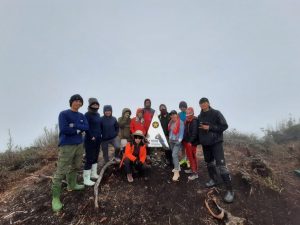
Trekking Ky Quan San with To Ong
Your trip will feel lighter with To Ong by your side. You do not need to worry too much about what to bring. To Ong prepares the following for you:
- First-aid equipment
- Camping equipment
- Meals and drinking water
- Safety equipment
- Raincoats
- Specialized equipment such as water filters, communication devices, and trekking poles
All you need to prepare is a compact backpack with clothing, footwear, and personal items.
In addition, To Ong has built a well-planned itinerary to bring you a safe and inspiring experience throughout the trip. With an experienced team and local porters who know the terrain well, this trek into the high mountains of Northwest Vietnam is sure to leave you with unforgettable memories. So why wait? Come trek Ky Quan San with To Ong.
Suggested reading:
View the Ky Quan San Trekking Tour at To Ong Adventure
A 3-day, 4-night journey to conquer Putaleng
How to protect tech gear on trekking trips