Basic First Aid Skills for a Safer Hiking Trip
Nature holds countless wonders that words can never fully describe. Its mystery has a powerful attraction, especially for people who love exploration. Trips back into nature are loved by hikers. They are chances to admire nature’s grandeur and satisfy your own desire for adventure. However, for the safest possible trip, you should keep some basic first aid skills in mind. Today, To Ong shares several first aid skills you should know when hiking.

Keep these first aid skills in your hiking toolkit (Photo by Julia Zyablova on Unsplash)
1. Injuries and Bleeding
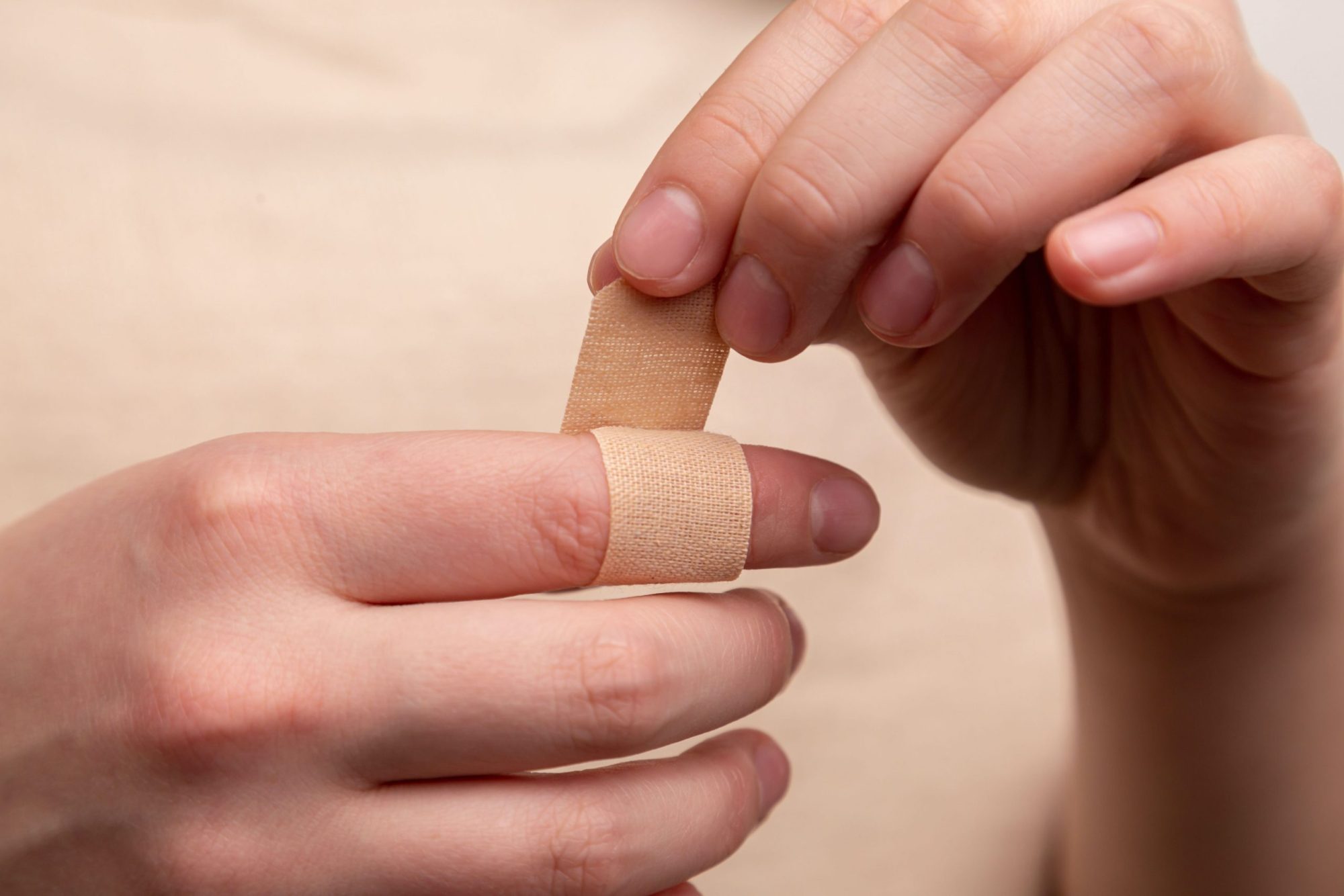
Hiking trails are not always smooth. Sometimes a moment of inattention is enough for sharp objects along the trail, such as branches, rocks, or even leaves, to scratch you. For small wounds, you can disinfect them with a suitable solution, then cover them with an adhesive bandage to keep out dirt. For deeper cuts or larger wounds, use medical gauze. Learn different wrapping methods for different body parts.
If you are bleeding, the important thing is to stop the bleeding so your body does not lose too much blood. One temporary method is to press your fingers on the artery along its path to the wound and bandage the area to help blood clot. If blood spurts out strongly, use an elastic band as a tourniquet above the wound to stop blood from flowing down. In particular, sat bamboo, a plant similar to bamboo and reed, is common and easy to recognize in Vietnamese forests. You can scrape the green outer layer from sat bamboo, bamboo, or reed and sprinkle it on the wound to help stop bleeding.

Using medical bandages to treat wounds (Photo by Diana Polekhina on Unsplash)
2. Sprains
Sprains are common injuries caused by excessive movement or improper movement. They occur when ligaments, the fibrous tissues connecting two bones, are stretched or torn. In many cases, sprains can be treated without hospital surgery.
Signs of a sprain include joint pain, swelling, bruising, and inability to move or bear weight normally. To treat a sprain, rest as soon as you notice the injury. Apply ice to the painful area, elevate the injured part, and avoid strenuous movement.

Sprain caused by improper movement (Photo by Erwans Socks on Unsplash)
3. Dislocations
Like sprains, dislocations often happen at joints due to sudden injury while hiking. This is when a bone end is forced out of its normal position. When a joint is dislocated, movement in the injured area is limited. You may feel severe pain, swelling, bruising, and may be able to feel the bone end protruding. Treating a dislocation is more complex because the joint needs to be returned to its original position. This should be done by trained professionals such as doctors to ensure safety and effectiveness.
Doctors recommend that you avoid movement when you have a dislocation. Immobilize the injured area and apply cold compresses to reduce swelling. If pain persists and affects normal activity, go to the nearest medical facility for examination.
4. Cramps
If your calf or foot contracts strongly, hurts intensely, and cannot move, you may be having a cramp. One cause is loss of water, minerals, and electrolytes during high-intensity activity. To reduce this risk, remember to drink water regularly while hiking. When a cramp happens, use warmth to increase blood flow to the area. Stretching can also help relieve cramps quickly. For example, if your calf cramps, stand upright, raise your heel, and hold for 30 seconds. The cramp should ease quickly.
5. Fractures:
A fracture occurs when external force causes a bone to crack or break, disrupting normal movement. There are three types: closed fracture, where the outer skin is not affected; open fracture, where the skin is torn; and impacted fracture, where two bone fragments compress against each other. If a bone is broken, pain may cause shock, blood loss, and even become life-threatening. This type of bone and joint injury should be handled promptly. The priority when treating a fracture is to prevent shock by reducing pain, stopping bleeding, and rehydrating. Next, immobilize the broken bone and take the patient to a medical facility for treatment.
Immobilizing a bone means using a splint and bandage to keep the injured area still, prevent bone displacement, and protect surrounding muscles and blood vessels. The splint and injured part should be tied firmly while still keeping the injured area as comfortable as possible.
6. Animal and Insect Bites

Photo by Angela Handfest on Unsplash
Natural environments are home to many living creatures, from tiny insects to larger animals. Their bites and stings can greatly affect your hiking trip. One example is a bee sting. To treat it, remove the stinger from the skin, apply pain-relief medicine, or use a cold compress to reduce swelling. Similarly, for other insects, bring insect repellent, pain-relief ointment, and anti-itch medicine.
If the wound is caused by a snake, stay calm and observe the snake and the bite to determine whether it may be venomous. A non-venomous snake bite usually shows two fairly even rows of teeth, while a venomous bite has two larger, deeper fang marks. To prevent venom from spreading to other parts of the body, do not move the injured area and use an elastic band or cloth to tie it tightly. Do not use your mouth to suck out venom, as this can increase the risk of venom spreading more quickly. Finally, go to the nearest medical facility for treatment.
7. Heatstroke and Dehydration
Hot, harsh weather can cause hikers to suffer heatstroke or dehydration. Signs of heatstroke include continuous sweating, a pale face, and dizziness. If you do not sit down and rest immediately, you may faint. When heatstroke occurs, find a shaded place, lie on your back, and elevate your legs. Wipe your body with a wet towel, use a fan, and apply cold compresses to lower body temperature. Once you feel more alert, sit up and drink small sips of water to rehydrate. Breathe deeply and slowly to help stabilize your body.
If your throat feels very dry, your head feels dizzy, your hands and feet are cold, and your lips and skin are dry, you may be dehydrated. Sit down immediately and replenish fluids, especially mineral water. Always bring enough water for the whole hiking route, as well as tools to filter and boil water if needed.

(Photo by Toa Heftiba on Unsplash)
8. Drowning
If you encounter someone drowning during a hike, quickly bring the victim to shore for artificial respiration. Place the person in a well-ventilated area, tilt the head slightly back, and loosen clothing so the airway is clear. Check and remove foreign objects from the airway and mouth. Then pinch the nose with one hand, open the victim’s mouth with the other, and give 2-3 rescue breaths. If there is no pulse, place both hands together and press on the chest at about 100 compressions per minute. Continue repeating these steps until the heart beats and the victim breathes again.
These are only a few of the many injuries and emergencies you may encounter while hiking. We hope the methods shared by To Ong can help you on your trip. To Ong always puts your safety first. To Ong’s guides have been trained in survival, first aid, and emergency response by Survival Skill Vietnam specialists, and in adventure sports skills by mountaineering expert Phan Thanh Nhien. Do not hesitate to hike with To Ong to receive support from an experienced guide team.