Bidoup Nui Ba: Discover Nature’s Unique Charm
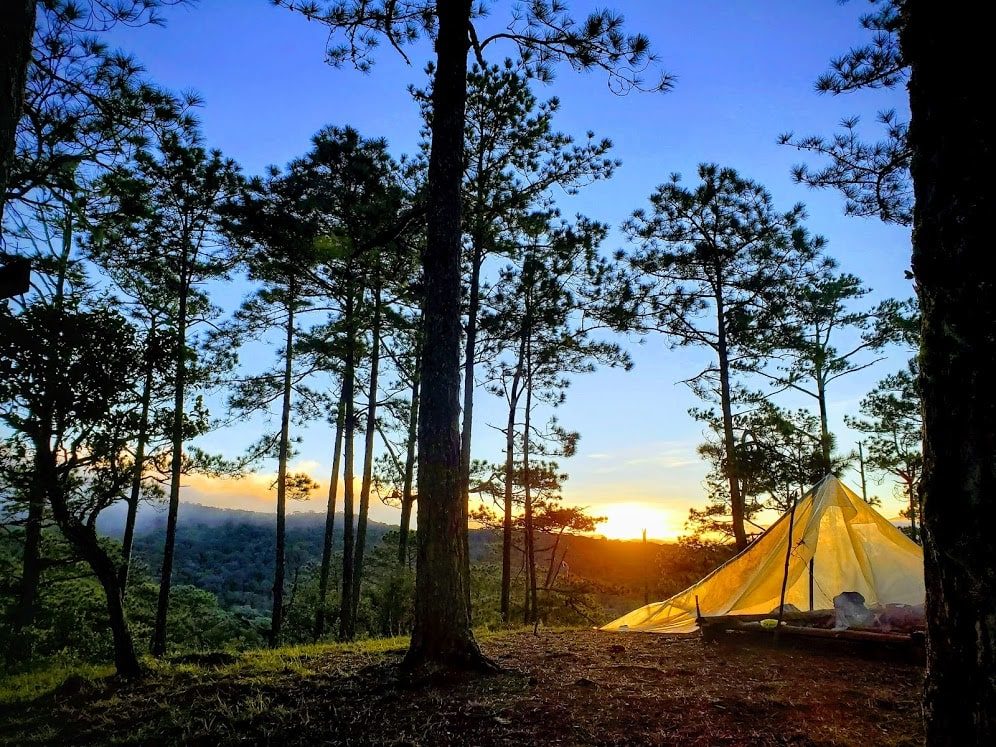
As cities keep growing, instead of spending all day enclosed by stuffy concrete walls, people increasingly long to return to nature. That is why eco-tourism and healthy forms of adventure travel such as trekking have become so popular. If you want to escape urban dust, seek experiences, and admire Vietnam’s nature more fully, you should not miss Bidoup Peak. This is a place where every trekking enthusiast should leave their footprints at least once in a lifetime. So what makes Bidoup Nui Ba National Park so captivating for trekkers? Let To Ong take you through it in the article below.
A brief introduction to Bidoup Nui Ba National Park
Located in Lam Dong Province, Bidoup Nui Ba National Park was established to protect Vietnam’s primary forest ecosystem. Bidoup Forest is now home to hundreds of wild orchid species as well as endemic and rare plants and animals. It also connects with other conservation areas, forming a vast stretch of wild nature. The highland land named Bidoup is 50km from the flower city of Da Lat and has become an ideal meeting point for young travelers. Coming here, you will better understand Mother Nature and a part of Vietnam.
Geographical location
Bidoup lies on the Langbiang Plateau, stretching across Dam Rong and Lac Duong districts in Lam Dong Province. Follow Provincial Road 723 for 50km northeast of Da Lat, and a magnificent world of mountains and forests opens before you. Bidoup Nui Ba National Park is named after the two highest mountains on the plateau: Bidoup Mountain and Nui Ba.
Terrain
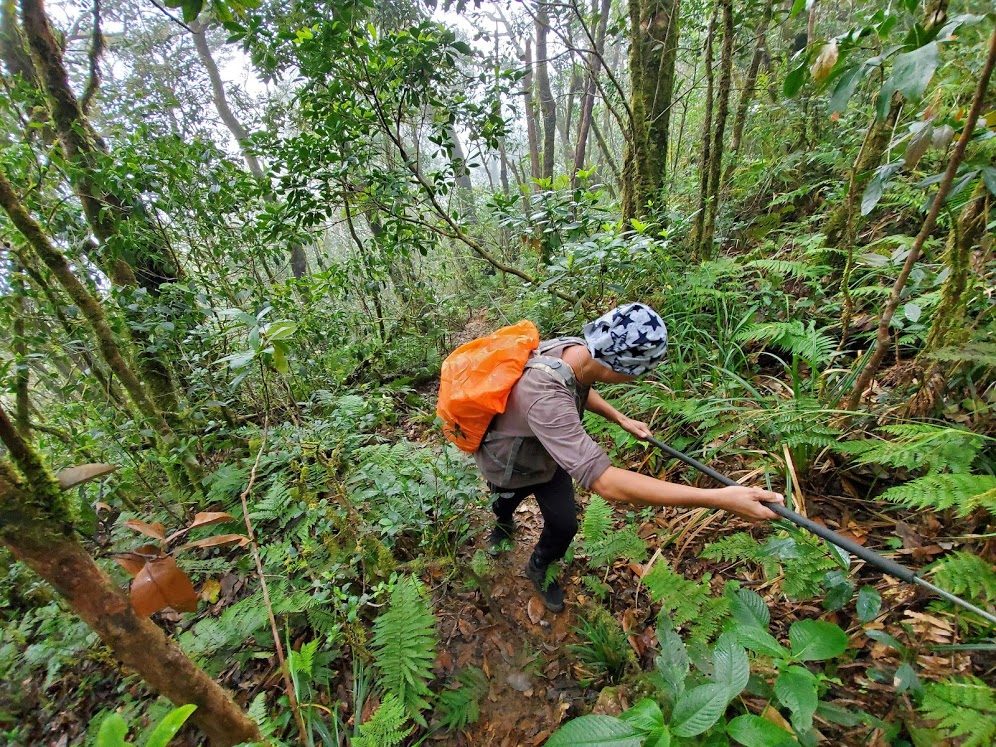
Because it is located in the highest area of Langbiang, Bidoup Peak is rugged, rocky, and marked by steep slopes. The higher you go, the harsher the climate becomes, with biting cold, mist-heavy nights weighing down the leaves, and thinner air that makes breathing harder.
Yet within that ruggedness are rare and beautiful flat areas. Bidoup has lakes, streams, and distinctive forests that represent different climate types. At Bidoup Mountain, the highland soil beneath your feet is firm, but it can become extremely slippery when the rainy season arrives.
Climate
Vietnam has a tropical monsoon climate, but along the country, the climate changes by elevation and region. Bidoup Forest knows two main seasons: a heavy rainy season from May to November and a dry season from December to April of the following year.
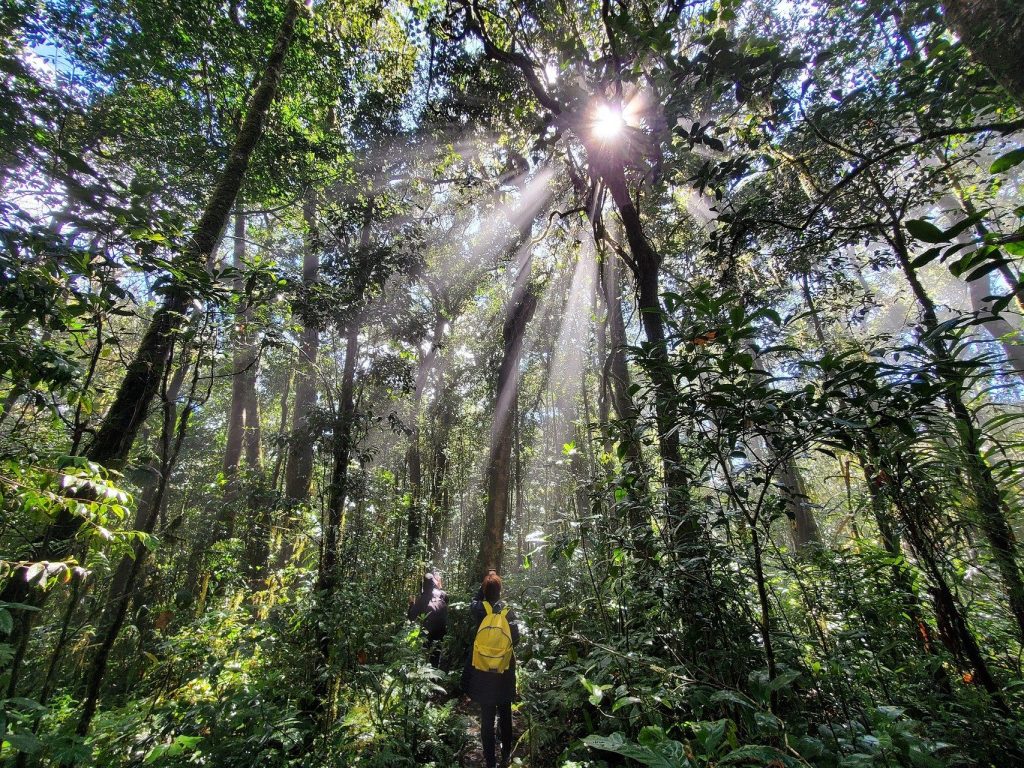
The higher you climb, the more climate types you experience. From tropical warmth to temperate coolness, and then to summit cold that can make you shiver. As you continue, you will also encounter distinctive forest types: broadleaf forest, mixed broadleaf and conifer forest, conifer forest, and lush green moss carpets.
Remarkable wildlife in Bidoup Nui Ba National Park
As one of Vietnam’s most important nature reserves, Bidoup Nui Ba National Park holds hundreds of rare plant and animal species and provides habitat for many endemic species.
A one-of-a-kind plant world
The vegetation in Bidoup Forest will certainly surprise and overwhelm you. The number 1,468 refers to the plant species found here, from common plants to rare endemic species. The green of the forest is dotted with colorful flowers, notably 18 rare orchid species that are hard to find. The flora here includes more than 90 endemic species and over 60 rare species listed in Vietnam’s Red Data Book.
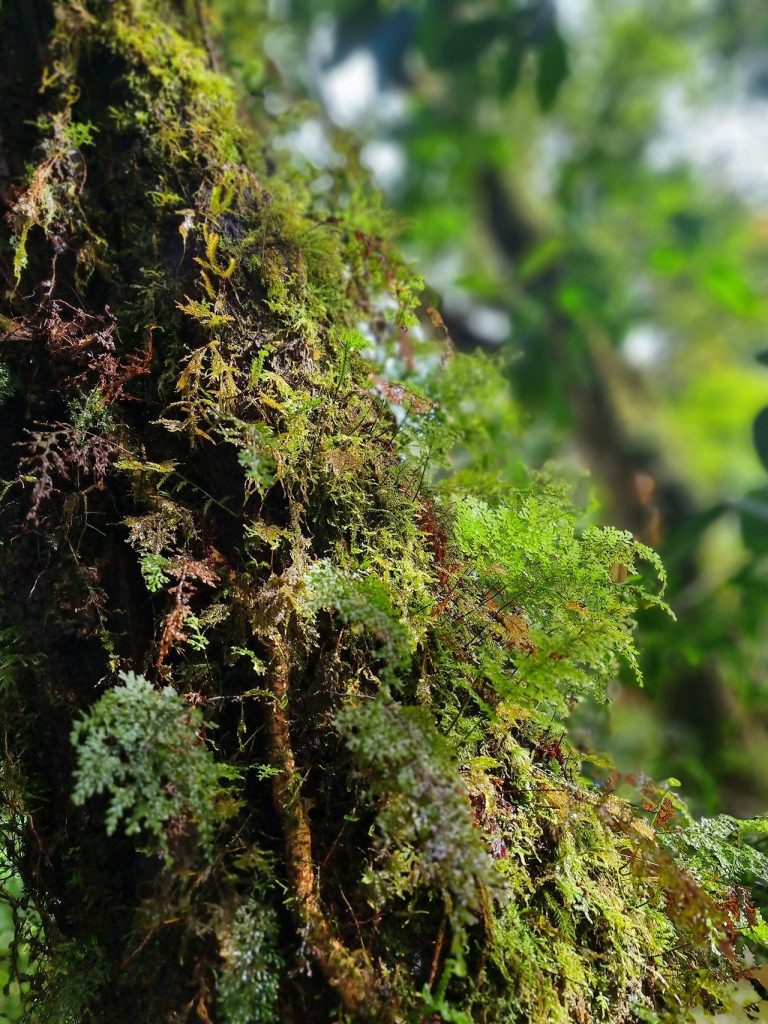
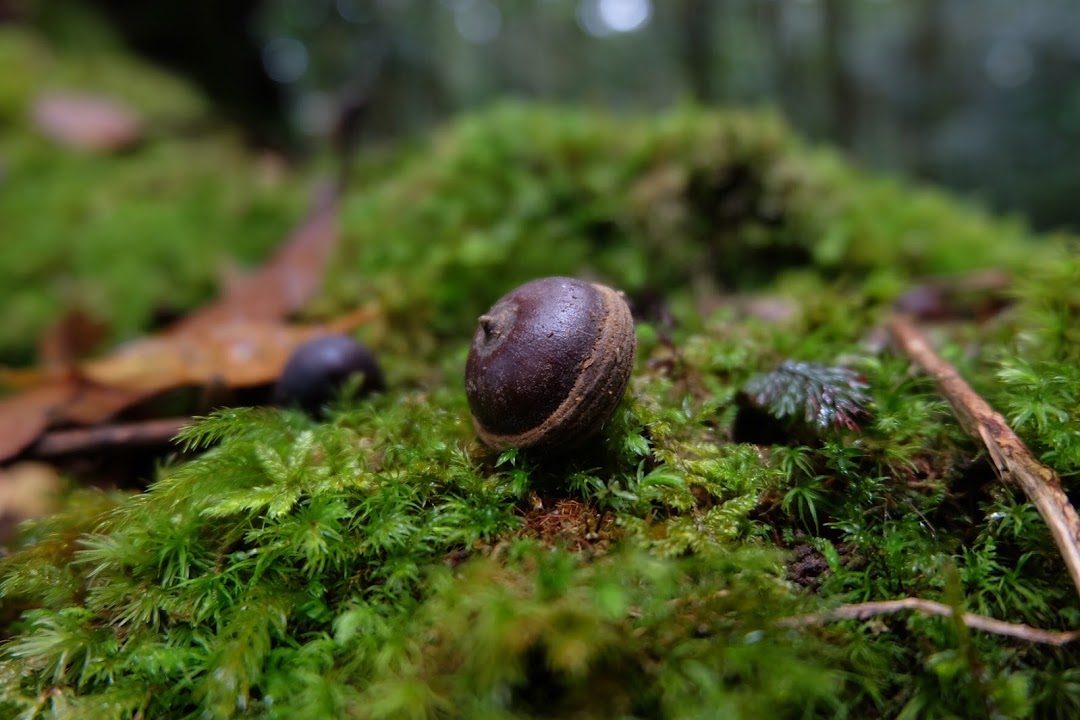
Bidoup Nui Ba National Park is also where scientists discovered two new plant species: Cong Hon Ba and Xu Huong Bidoup, names that carry a distinctly Vietnamese identity. Lower plants also thrive here thanks to high, stable humidity. Mosses and ferns spread beneath trekkers’ feet, showing off an ancient beauty that reflects the wild character of Bidoup Forest.
Animals found here
With more than 200 animal species, Bidoup Forest always holds surprises for visitors. Among them are more than 50 mammal species such as wild cats, monkeys, gibbons, and even gaur, elephants, deer, squirrels, and rabbits. There are also 26 reptile species and 13 amphibian species distributed throughout the forest, promising both excitement and unforgettable experiences. What makes them unforgettable? Here, even reptiles and amphibians come in different shapes and colors that spark curiosity. Once you step into that world, you may find them much more endearing.
For dreamers, Bidoup is also home to 118 bird species from 24 families, and their songs are the sounds you will hear most often here. If you are lucky, you may see notable species such as the Langbian laughingthrush, silver pheasant, black-headed laughingthrush, yellow-throated greenfinch, or Mrs. Hume’s pheasant. Another special point is that Bidoup is a refuge for the grey-crowned crocias, an internationally rare bird species.
Stories about Bidoup Peak
Bidoup Peak carries legends and folk tales that local people may share with you if you want to listen.
One story says that Bidoup Peak and Langbiang were brothers. But Bidoup, the younger brother, grew too tall, even taller than the older one. So Langbiang became angry, struck him on the head, and pulled him down. As if to illustrate that story, Bidoup Peak does indeed have one missing side.
Another version says Bidoup is the grandchild of Nui Ba. Seeing the child grow too tall and fearing he would touch the sky, Nui Ba told him to lie down. In the Co Ho language, Bidoup is also said to mean lying down.
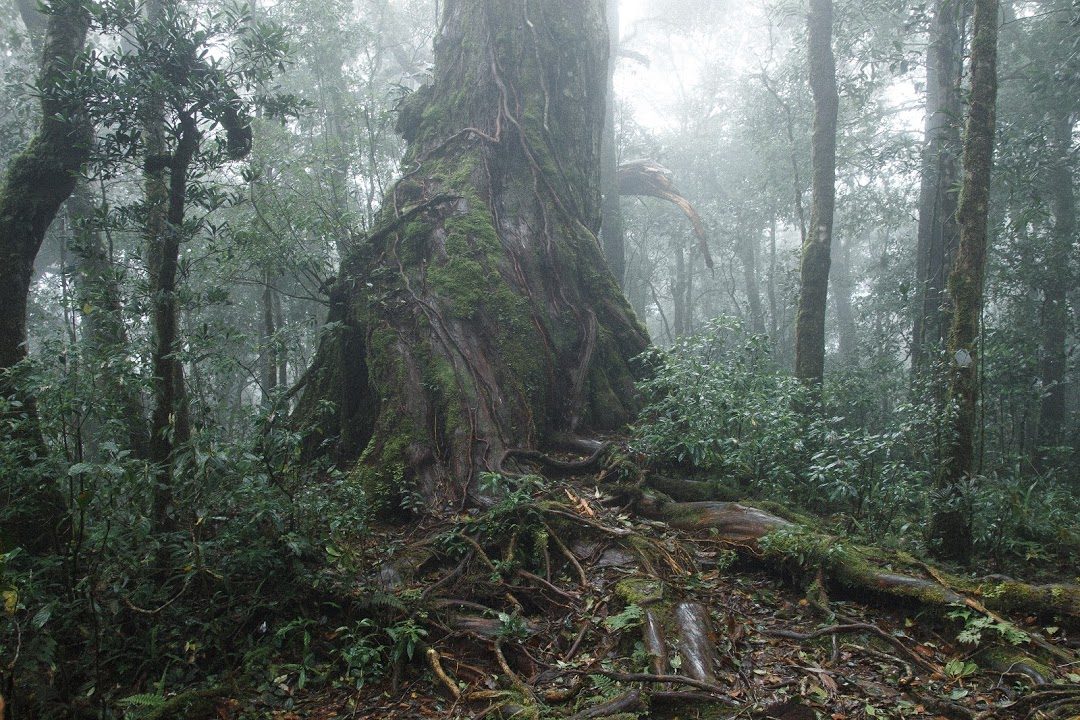
No one knows which of the two stories is true, or whether both are products of local imagination. However, one story is certainly real: the 1,300-year-old giant pơmu tree. The Langbiang Plateau is famous for its magnificent pơmu forests, yet only one towering 1,300-year-old pơmu has stood witness to history’s changes. The tree is more than 40m tall, so high your hat may fall when you look up, and 7 to 8 people cannot fully wrap their arms around its base. If you have the chance to come here, you should stand under this tree at least once and touch its rough trunk.
Trekking Bidoup Nui Ba National Park
The beauty of Bidoup draws many determined travelers. This place welcomes visitors not only with its beauty, but also with steep slopes, forest mosquitoes, leeches, and cold nights. If you go during the rainy season, you must also face slippery ground and cold that seeps into every part of your body. Therefore, before setting out, read up on Bidoup climbing experience so you can have a safer trip.
A few notes from To Ong Adventure
The first requirement is that you need to be in good health, without cardiovascular disease, low blood pressure, calcium deficiency, asthma, epilepsy, and similar conditions. Here are a few small notes for trekking Bidoup.
- Always stay with the group, never separate on your own, and keep in contact continuously because no one knows what may happen.
- Bring a walking stick to help prevent slips and protect yourself from snakes.
- Absolutely do not litter, because Bidoup Nui Ba National Park is under very strict protection.
- Be careful with the nighttime cold here. Bring heat patches if you do not tolerate cold well.
- Leeches are a serious concern, so cover your legs well and apply anti-leech repellent. Standing or sitting in one place for too long can make you an easy target.
These are the things that make Bidoup an attractive trekking destination for many young adventure lovers. To experience nature safely and fully, consider the Bidoup tour organized by To Ong Adventure.